
Sauces & Condiments
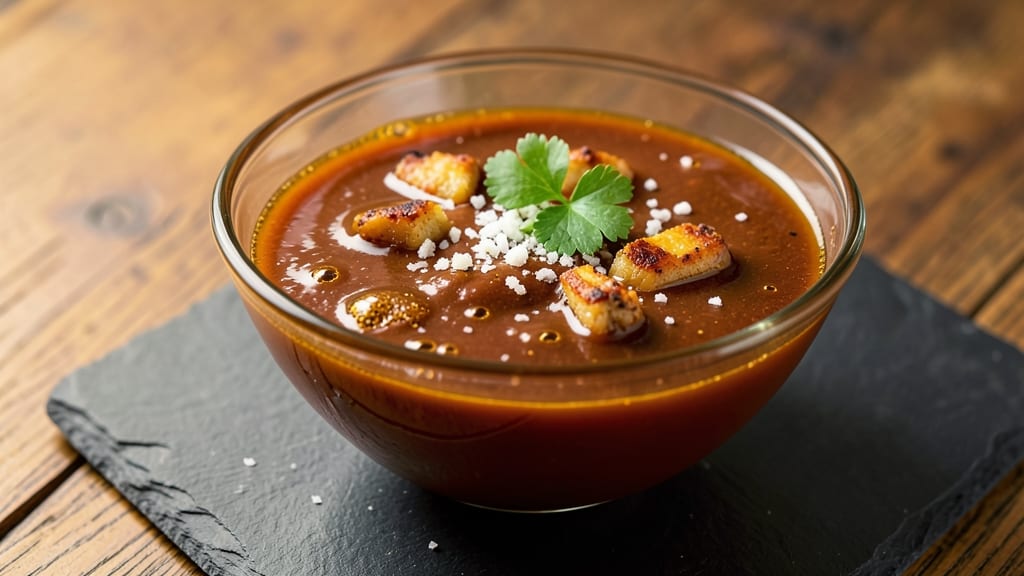
Applebee's hot wing sauce delivers that signature velvet-smooth heat with a subtle celery salt crunch that makes every bite irresistible. 🔥 The secret lies in balancing cayenne pepper's fiery kick with tangy vinegar and rich butter, creating a sauce that clings perfectly to wings while delivering restaurant-quality flavor.
This recipe captures the iconic balance—spicy enough to tingle but smooth enough to savor with each dip.
The foundation starts with melted butter and vinegar, which form the sauce's velvety base. Cayenne pepper and garlic powder provide the heat, while a pinch of celery salt adds that signature crunchy finish.
Unlike many hot sauces, this one doesn't rely on artificial ingredients—just simple pantry staples that work together to create a sauce so good, you'll want to bottle it yourself.
What sets this sauce apart is its versatility—it works perfectly on wings, fries, or even as a marinade for meats. The heat builds gradually, ensuring a well-rounded spice experience rather than an overwhelming burn.
Once made, it keeps well in the refrigerator for up to two weeks, making it a perfect batch recipe for game days or wing nights.
With just five ingredients and 10 minutes of prep time, you'll have a sauce that rivals the famous restaurant version. The key is patience—letting the sauce simmer until the flavors meld completely. Trust the process, and you'll achieve that perfectly balanced heat that makes Applebee's wings legendary.
Ingredients for applebee's hot wing sauce
Five simple ingredients transform into Applebee's iconic wing sauce with velvety heat and signature celery crunch.
| Ingredient | Amount | Notes |
|---|---|---|
| Unsalted Butter 🧈 | ½ cup | Cold, cubed for even melting |
| White Vinegar 💧 | ½ cup | Distilled preferred for tang |
| Cayenne Pepper 🌶️ | 1 ½ tbsp | Adjust for desired heat level |
| Garlic Powder 🧄 | 1 tbsp | Freshly ground for best flavor |
| Celery Salt 🧂 | 1 tsp | Diamond Crystal preferred |
| Black Pepper 🌶️ | ½ tsp | Freshly cracked for depth |
| Granulated Sugar 🍚 | 1 tbsp | Balances acidity and heat |
The butter and vinegar form the sauce's velvety foundation—never skip the cold cubing step, as it emulsifies beautifully when melted. For the cayenne, Penzeys brand delivers consistent heat, but any high-quality cayenne works. Garlic powder should be freshly ground to avoid bitterness; Trader Joe's sells excellent pre-ground options. Celery salt is non-negotiable for that signature crunch—Diamond Crystal has the perfect texture, but any brand will work if it's labeled celery salt (not just celery seasoning). Store these staples in airtight containers away from light to preserve potency.
No cayenne? Red pepper flakes at half the amount provides a milder but still vibrant heat. Vinegar substitutes like apple cider vinegar or lemon juice work, though they alter the sauce's tang slightly. For a sugar-free version, omit the granulated sugar entirely—the sauce still balances beautifully. The celery salt can be replaced with a mix of 1/2 tsp salt plus 1/2 tsp dried celery flakes if needed. Freshly cracked black pepper adds depth, but pre-ground works in a pinch. Each ingredient plays a critical role in achieving that signature restaurant-quality balance of heat and smoothness.
This sauce thickens as it cools, so store it in a glass jar with a tight-sealing lid in the refrigerator for up to two weeks. The flavors meld beautifully over time, making it perfect for batch preparation. For long-term storage, freeze in ice cube trays—thaw and whisk with a splash of water if it separates. The sauce clings perfectly to wings, fries, or even as a marinade, making it a versatile pantry staple for game day or weeknight meals.
Why You'll Love This Recipe
- Here’s what sold me: the vinegar cuts through the richness of the butter, while the cayenne and celery salt add this just-right kick—sharp but balanced. Drizzle it on wings, and it’s like a restaurant-quality hug in your mouth.
- Five-Ingredient Magic: I swear, this sauce comes together with stuff you already have—no fancy shopping required. Melt butter, toss in vinegar and spices, simmer until it’s glossy and tangy. That’s it. No measuring cups, no stress.
- Tangy Heat Fix: Here’s what sold me: the vinegar cuts through the richness of the butter, while the cayenne and celery salt add this just-right kick—sharp but balanced. Drizzle it on wings, and it’s like a restaurant-quality hug in your mouth.
- Game Day Staple: Between us, this sauce is my go-to for game nights, tailgates, or lazy Sundays. It doubles easy, so I make a big batch, store it in the fridge, and use it all week. The kids fight over the last drop—no complaints here.
Step-by-step instructions for Applebee's hot wing sauce
Here's the method for recreating that signature Applebee's heat—smooth, balanced, and packed with celery salt crunch.
🍳 Step 1: Melt Butter and Vinegar Together
In a medium saucepan, combine the 0.5 cup unsalted butter (cold and cubed) with the 0.5 cup white vinegar. Place the saucepan over medium-low heat and let it melt slowly, stirring occasionally with a wooden spoon. I like to keep the heat gentle here—too high and the butter will brown before the vinegar fully incorporates.
Watch closely as the butter melts into the vinegar. You'll notice the mixture will start to simmer gently, creating a light, frothy foam on top. This is normal and indicates the acid from the vinegar is beginning to break down the butter's fat. Let it cook for 5-7 minutes until the foam subsides and the mixture becomes completely smooth and homogeneous.
🔥 Step 2: Add Dry Seasonings and Sugar
Once the butter-vinegar mixture is fully combined, reduce the heat to low and add the 1.5 tbsp cayenne pepper, 1 tbsp garlic powder, 1 tsp celery salt, 0.5 tsp black pepper, and 1 tbsp granulated sugar. Stir constantly for 2-3 minutes to ensure all the seasonings dissolve completely into the sauce.
This is where the magic happens—the cayenne and celery salt blend with the vinegar to create that signature tangy heat. The sugar plays a crucial role here by balancing the acidity and heat, preventing the sauce from becoming too sharp or overwhelming. You'll notice the sauce will thicken slightly as it simmers, but it should remain smooth and velvety rather than pasty.
⏰ Step 3: Simmer Until Thickened
Continue simmering the sauce on low heat for 8-10 minutes, stirring frequently with a wooden spoon. You're looking for the sauce to thicken to a consistency that coats the back of a spoon but still flows smoothly. It should be thick enough to cling to wings but not so stiff that it becomes difficult to drizzle.
Here's the thing—this sauce needs to reduce just enough to develop its signature texture. If it starts to look too thick, you can add 1-2 teaspoons of water to loosen it slightly. However, resist the urge to rush this step. The longer it simmers gently, the more the flavors will meld together, creating that perfect balance of heat, tang, and crunch.
🥘 Step 4: Strain and Cool for Best Results
Once the sauce reaches your desired consistency, remove it from the heat and let it cool for 5-10 minutes. While it cools, strain it through a fine-mesh sieve into a clean bowl or jar. This step removes any undissolved seasoning particles, giving you that ultra-smooth texture that makes Applebee's sauce so distinctive.
I like to press a silicone spatula against the sieve to extract every last drop of sauce. The strained sauce should be velvety smooth with no gritty texture. Let it cool completely to room temperature before using—this allows the flavors to fully develop and ensures the best results when you're ready to toss your wings.
Pro Tips For Making Applebee'S Hot Wing Sauce
- Melt Butter Slowly: The recipe calls for butter, but I learned the hard way—dumping cold chunks into vinegar makes a greasy mess. Warm the butter first in a small saucepan over low heat until it’s fully melted but not browned. Then pour it into the vinegar gradually while stirring. This keeps the sauce smooth instead of separating like a sad, oily puddle.
- Use Fresh Vinegar: White vinegar loses its punch over time, and that’s the backbone of this sauce. If yours smells like old pickles, grab a fresh bottle—it makes a real difference in tang. I keep a small bottle in the fridge just for sauces like this, and it never disappoints.
- Control the Cayenne: The recipe doesn’t specify how much cayenne to use, and that’s where people go wrong. Start with half the amount listed (about ½ teaspoon) and taste before adding more. You can always crank up the heat later, but you can’t take it out. Trust me, I’ve cried over a batch that was meant to be mild.
- Strain the Garlic: Garlic powder is fine, but if you’re feeling fancy (or just want that restaurant-quality depth), finely mince fresh garlic and cook it in the butter for 30 seconds before adding vinegar. Strain it out afterward—this avoids clumps and gives a cleaner, brighter flavor. Yes, it’s extra work, but your sauce will taste like it came from a kitchen with actual chefs.
Best sauces and condiments for this recipe
Butter-Vinegar Base
The foundation of this sauce is all in the butter-vinegar emulsion—a technique that creates that signature velvety texture. I always use unsalted butter (like Plugrá) because it gives you full control over seasoning.
The key is melting the butter slowly over medium-low heat while stirring constantly to prevent burning. If you rush this step, you'll end up with a grainy sauce instead of that smooth, restaurant-quality finish. 🧈
Heat Control Secrets
Balancing the heat is where this sauce shines. Start with 1.5 tablespoons of cayenne pepper for a medium-hot kick, but adjust to taste—Penzeys brand is my go-to for consistent heat.
The granulated sugar (just 1 tablespoon) is non-negotiable; it mellows the acidity from the vinegar and rounds out the heat. For a milder version, reduce the cayenne to 1 tablespoon and add ½ teaspoon of smoked paprika for depth. 🌶️
Celery Salt Magic
The 1 teaspoon of celery salt (I use Diamond Crystal) is what makes this sauce taste like Applebee's. It adds a subtle crunch and earthy flavor that no other seasoning can replicate.
If you can't find celery salt, mix ½ teaspoon salt with ½ teaspoon dried celery flakes (from the produce section). This step is worth the effort—it's the secret ingredient that elevates the sauce from good to legendary. 🧂
Thickening Without Grit
Simmering the sauce on low heat for 8-10 minutes is crucial—it develops the perfect consistency. If it thickens too much, loosen it with 1 teaspoon of water while still on heat. Straining through a fine-mesh sieve removes any undissolved particles, ensuring that velvety texture.
I like to press a silicone spatula against the sieve to extract every last drop. This step is what separates homemade sauce from store-bought. ✨
Storage and Shelf Life
Store the sauce in an airtight glass jar in the refrigerator for up to two weeks. The flavors actually improve over time, making it perfect for batch cooking. For longer storage, freeze in ice cube trays—thaw and whisk with a splash of water if it separates.
The sauce keeps well and is perfect for game day or wing nights. Just remember, the longer it sits, the more the flavors meld together. ❄️
Versatile Uses Beyond Wings
While this sauce is legendary on wings, it works beautifully on fries, burgers, or even as a marinade for grilled meats. I've used it to glaze pork chops or drizzle over loaded baked potatoes—the possibilities are endless.
The key is to use it within 24 hours of making for the best flavor, but it still tastes amazing after reheating. 🍔
Nutrition facts
Frequently asked questions
Can I make this sauce without cayenne pepper?
Yes, but you'll need to adjust the heat level. Use 1 tablespoon of red pepper flakes instead for a milder but still vibrant kick, or swap in ½ teaspoon of smoked paprika for depth without the same level of heat. The sauce will still taste tangy and rich, just with a different spice profile.
Why does my sauce look grainy after making it?
Graininess usually happens when the seasonings don't fully dissolve or if the sauce separates. Strain it through a fine-mesh sieve to remove any undissolved particles, then simmer for an extra 2-3 minutes on low heat. If it's still too thick, whisk in 1 teaspoon of water while hot.
How spicy is this sauce compared to store-bought hot sauces?
This recipe delivers a medium-hot kick—smooth and balanced, not overwhelming. Most store-bought hot sauces (like Tabasco or Sriracha) are much hotter due to higher capsaicin content. The cayenne here provides heat without the sharp burn, making it perfect for dipping or tossing.
Can I use this sauce on foods other than wings?
It's fantastic on fries, burgers, grilled meats, or even as a marinade. The tangy, spicy flavor works well with anything fried or rich. Just avoid using it on delicate seafood, as the vinegar might overpower the flavor.
What if my sauce separates after refrigerating?
This happens when the butter and vinegar emulsion breaks. Simply whisk in 1-2 teaspoons of warm water and stir until smooth. For best results, store it in a glass jar (not plastic) to prevent future separation. The texture will return once warmed back up.