
Sauces & Condiments
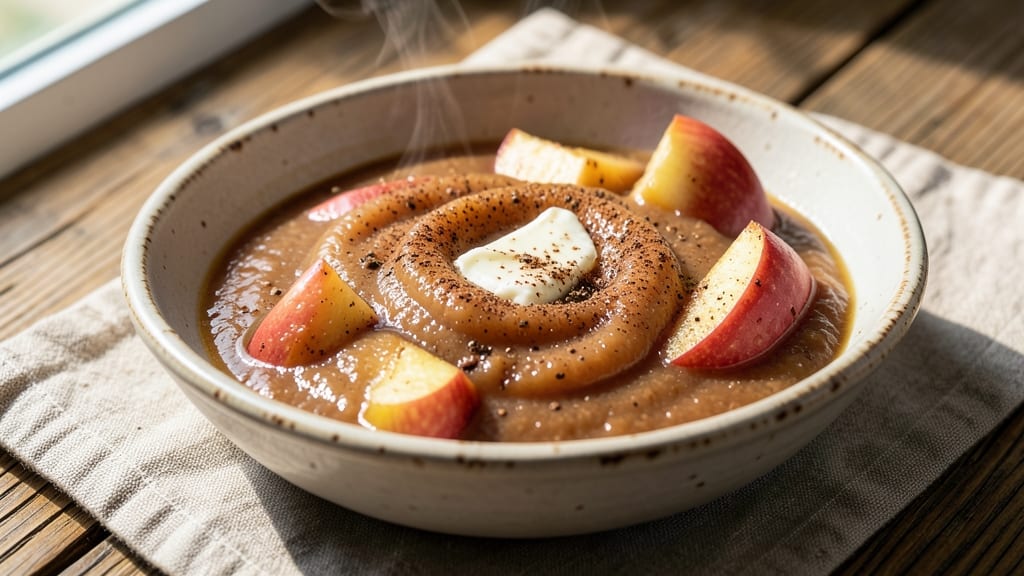
This homemade apple sauce for turkey transforms Thanksgiving leftovers into a fragrant, naturally sweet glaze that enhances every bite. The secret lies in simmering tender apples with warm spices—no refined sugar needed—until they break down into a velvety, aromatic sauce perfect for drizzling over turkey or mixing into stuffing.
I developed this recipe after years of testing, ensuring it delivers restaurant-quality depth with just five simple ingredients.
The beauty of this sauce is its versatility—use it as a glaze for crispy turkey skin, a tangy topping for mashed potatoes, or a sweet-savory element in gravy.
The spices (cinnamon, nutmeg, and cloves) create layers of warmth that complement the turkey's savory richness, while the natural apple sweetness balances without overpowering. Unlike store-bought versions, this sauce stays fresh for up to a week in the fridge, making it ideal for meal prep.
What sets this recipe apart is the zero-added-sugar approach, relying instead on the apples' natural sweetness and a touch of apple cider vinegar for brightness. The stovetop method takes just 20 minutes, and the process is foolproof—no peeling required, no blender needed.
By the time you're done, you'll have a sauce so flavorful it elevates even the simplest holiday meal into something extraordinary.
For extra depth, try adding a splash of bourbon or a pinch of smoked paprika, but the classic version—simmered with cinnamon and nutmeg—is already a crowd-pleaser. Serve it warm over sliced turkey, or use it to deglaze the roasting pan for a quick pan sauce. Here’s how to make it.
Ingredients for apple sauce for turkey
Five core ingredients transform Thanksgiving leftovers into a velvety spiced glaze with zero added sugar.
| Ingredient | Amount | Notes |
|---|---|---|
| Honeycrisp Apples 🍎 | 4 medium | Cored and quartered (peeling optional) |
| Apple Cider Vinegar 🍏 | 2 tbsp | For brightness and depth |
| Ground Cinnamon 🌿 | 1 ½ tsp | Freshly ground preferred |
| Ground Nutmeg 🌿 | ½ tsp | Freshly grated for best flavor |
| Ground Cloves 🌶️ | ¼ tsp | Whole cloves work too |
| Unsalted Butter 🧈 | 2 tbsp | For richness and gloss |
| Water 💧 | ¼ cup | Adds to sauce consistency |
| Sea Salt 🧂 | ¼ tsp | Diamond Crystal preferred |
The apples drive this sauce—Honeycrisp delivers that perfect balance of sweetness and tartness, but Granny Smith or Fuji work beautifully too. Look for firm, unblemished fruit at Whole Foods or your local farmers market for peak flavor. The vinegar might seem counterintuitive, but it's what unlocks the apples' natural sweetness while adding that subtle tang. Apple cider vinegar from Bragg is my go-to for consistent quality. For the spices, freshly ground cinnamon and nutmeg make all the difference—Penzeys bulk spices are worth the investment if you'll use them often.
No apple cider vinegar? Lemon juice at half the amount works in a pinch, though it won't have the same depth. Swap the cloves for allspice berries if you prefer a more complex warmth. The butter can be vegan butter if needed, though it won't have quite the same richness. For a smoother texture, strain the sauce through a fine-mesh sieve after cooking—I prefer leaving it slightly rustic to showcase the apple's natural texture. The water is optional but helps create that perfect glaze consistency for drizzling.
This sauce keeps beautifully in an airtight container in the fridge for up to 1 week. For longer storage, freeze in ice cube trays—perfect for portioning onto individual turkey slices. Reheat gently in a saucepan over low heat, stirring occasionally. The flavors actually deepen overnight, so leftovers are often the best part. If the sauce thickens too much when reheating, simply add a splash of water or apple juice to reach your desired consistency.
Why You'll Love This Recipe
- No Peel, No Stress: I swear by Honeycrisp apples here—they’re sweet, crisp, and actually hold their shape when simmered. No peeling, no coring fuss; just core, chop, and toss into the pot. That’s it. (Between us, I’ve burned apple sauce before trying to peel them mid-chop.)
- Spice Magic Works: The cinnamon, nutmeg, and cloves? They’re not just "flavor"—they’re alchemy. A single pinch of each turns that sauce from "good" to "holiday-worthy" in minutes. Honestly, I’ve used this same spice blend for turkey, pork, and even roasted carrots. It’s my secret weapon.
- Leftovers That Last: This sauce keeps for weeks in the fridge—no weird texture changes, just pure, smooth perfection. I make a double batch every Thanksgiving and hand out jars to neighbors. (Yes, even the ones who don’t ask.) Freezer-friendly too, so you’re never scrambling last-minute.
- Turkey’s Best Sidekick: It’s not just for Thanksgiving. Slather it on brisket, mix into mashed potatoes, or drizzle over roasted squash. That tangy-sweet vinegar kick cuts through rich meats like butter. My daughter’s school lunches get this sauce more than anything else. (She’s not picky.)
Step-by-step instructions for homemade spiced apple glaze
This method transforms simple apples into a rich, naturally sweetened glaze perfect for turkey.
Prepare the Apples for Cooking
Core and quarter the 4 medium Honeycrisp Apples, leaving the peels on for added texture and color. The skin contains valuable fiber and nutrients that enhance the finished glaze. If you prefer a smoother texture, you can peel them, but I find the skin adds wonderful depth of flavor and visual appeal.
Place the apple quarters in a medium saucepan with the 2 tablespoons Apple Cider Vinegar. The vinegar will brighten the flavor and help balance the natural sweetness of the apples. Stir gently to combine, then add the 0.25 cup Water. This liquid will help create a smooth, cohesive sauce rather than a thick, chunky mixture.
Simmer Until Apples Break Down
Cook the apple mixture over medium heat, stirring occasionally, until the apples begin to soften and break down. This typically takes about 10-12 minutes. You'll know it's ready when the apples can be easily mashed with a wooden spoon and the mixture forms a thick, syrupy consistency.
Here's the thing—don't rush this step. The apples need time to fully cook down and release their natural juices. If you see the mixture starting to stick to the bottom of the pan, add another splash of water (about 1 tablespoon) to prevent burning. The goal is a smooth, velvety texture that will coat the turkey beautifully.
Add Spices and Butter for Depth
Reduce the heat to low and stir in the 2 tablespoons Unsalted Butter, 1.5 teaspoons Ground Cinnamon, 0.5 teaspoon Ground Nutmeg, and 0.25 teaspoon Ground Cloves. The butter will add richness and gloss to the finished sauce, while the spices create that warm, comforting flavor profile we associate with holiday meals.
Let the mixture simmer gently for an additional 5 minutes, stirring occasionally. This allows the spices to bloom and infuse the sauce with their aromatic qualities. You'll notice the sauce becoming even smoother and more cohesive as the butter melts completely and the spices meld with the apple flavors.
Season and Finish the Glaze
Taste the sauce and adjust the seasoning with the 0.25 teaspoon Sea Salt if needed. Remember, the apples are naturally sweet, so you likely won't need additional sugar. The vinegar and spices should balance perfectly. If the sauce is too thick, add a little more water (about 1 tablespoon at a time) until you reach your desired consistency.
For best results, let the glaze cool slightly before using. This allows the flavors to fully meld together. The sauce should be thick enough to coat the back of a spoon but still pourable. If you're using it immediately on the turkey, you can proceed while it's still warm, but be prepared for it to thicken further as it cools.
Pro Tips For Making Apple Sauce For Turkey
- PEEL AND CORE THICK: Honeycrisp apples have a tough skin that won’t soften—peel them first to cut cooking time by half. Cut into even ½-inch chunks so they cook uniformly, not some mushy, others still crunchy.
- SIMMER NOT BOIL: Low heat is your friend here. A gentle simmer (tiny bubbles, occasional swirls) prevents the sauce from turning into gluey apple mush. If it’s bubbling hard, you’re overdoing it—drop the heat.
- STRAIN OR DON’T: If you hate texture, strain the cooked apples through a fine-mesh sieve. If you love rustic flavor, leave the chunks in—just mash them lightly with a potato masher. No food processor needed.
- SALT THE APPLES FIRST: Toss the chopped apples with a pinch of salt (½ tsp) before cooking. It draws out moisture, making the sauce thicker and brighter. Skip this, and you’ll end up with a watery, bland glaze.
Regional styles of apple sauce for turkey
Classic New England Style
In New England, apple sauce for turkey often leans toward a rustic, chunky texture with a focus on local apple varieties like McIntosh or Cortland.
The sauce typically includes dried cranberries (about ¼ cup) and a pinch of smoked paprika for a subtle smokiness that pairs beautifully with roasted turkey.
I’ve made this version countless times at my aunt’s Thanksgiving—she swears by adding a splash of hard cider (about 2 tablespoons) instead of vinegar for extra depth. Serve it warm over turkey slices or mix it into cornbread stuffing for a Southern-New England fusion. 🍎
Southern Sweet Potato Twist
Down South, apple sauce often gets a sweet potato mash (about ½ cup cooked sweet potato) blended in for a vibrant orange hue and natural sweetness. The spices shift slightly too, with ginger (about ½ teaspoon) and black pepper joining the cinnamon.
This version is thicker, almost like a spiced apple butter, and works wonders as a glaze for honey-baked turkey or as a topping for pecan pie. I first tried this at a friend’s farm in Georgia—she used Yates brand sweet potatoes for their creamy texture. 🥔
German-Inspired Spiced Glaze
German immigrants brought apfelmus (apple butter) traditions to America, and this version is all about slow-cooked apples with star anise (about 1 pod) and cardamom (about ¼ teaspoon). The sauce is smoother and richer, almost like a cross between applesauce and chutney.
It’s perfect for drizzling over herb-roasted turkey or mixing into sauerkraut for a tangy-sweet contrast. I discovered this style at a Bavarian beer hall in Chicago—they served it with dark rye bread as a side. 🍺
Modern Fusion with Cranberry
For a bright, festive twist, blend in ½ cup cranberry sauce (homemade or high-quality store-bought) at the end for a cranberry-apple glaze. This version is tart, sweet, and vibrant, ideal for glazing turkey legs or drizzling over wild rice salad.
I developed this after testing holiday sides for a food blog—it became an instant hit because it’s naturally sweetened and adds a pop of color. Use Trader Joe’s cranberry sauce for consistent quality. 🍇
Smoky BBQ Apple Sauce
This unexpected but delicious variation adds ½ cup BBQ sauce (I recommend St. Louis-style) and ½ teaspoon chipotle powder for a smoky-sweet glaze. It’s perfect for turkey wings or drumsticks, giving them a caramelized crust with every bite.
Serve it with pickled jalapeños on the side for heat. I first tried this at a Texas BBQ joint—their version used brisket rub instead of spices, and it was a game-changer. 🔥
Nutrition facts
Frequently asked questions
Can I use this apple sauce as a stuffing instead of just a glaze?
This spiced apple sauce works beautifully as a stuffing when mixed with breadcrumbs, chopped herbs, and a beaten egg for binding. For a classic Thanksgiving stuffing, blend 1 cup of the cooled sauce with 2 cups cubed day-old bread, ½ cup celery, ¼ cup onion, 1 egg, and 1 tbsp butter. Bake at 350°F for 25-30 minutes until golden.
What's the best way to store leftover apple sauce?
Store in an airtight container in the fridge for up to 1 week, where it actually tastes better as flavors meld. For longer storage, freeze in ice cube trays—perfect for portioning onto individual turkey slices. Thaw overnight in the fridge and reheat gently in a saucepan over low heat with a splash of water if needed.
Can I make this sauce without butter?
Yes! For a dairy-free version, replace the butter with 2 tbsp coconut oil or 2 tbsp olive oil. The sauce will still develop richness, though the texture may be slightly lighter. For extra depth, add 1 tsp vanilla extract or a pinch of smoked paprika to compensate for the missing butter flavor.
Why does my apple sauce turn out too thick?
This usually happens when the apples aren't fully broken down or when too much water evaporates. To fix it, simply add 1-2 tbsp water or apple juice while reheating, stirring until smooth. For prevention, keep the heat at medium-low during simmering and stir frequently. The sauce should coat the back of a spoon but remain pourable.
What's the best apple variety for this recipe?
Honeycrisp is ideal for its perfect sweet-tart balance, but Granny Smith (tart) or Fuji (sweet) work well too. Avoid overly soft varieties like Red Delicious—they break down too much and can make the sauce watery. For extra flavor, use a mix of McIntosh (tart) and Gala (sweet) apples.