
Sauces & Condiments
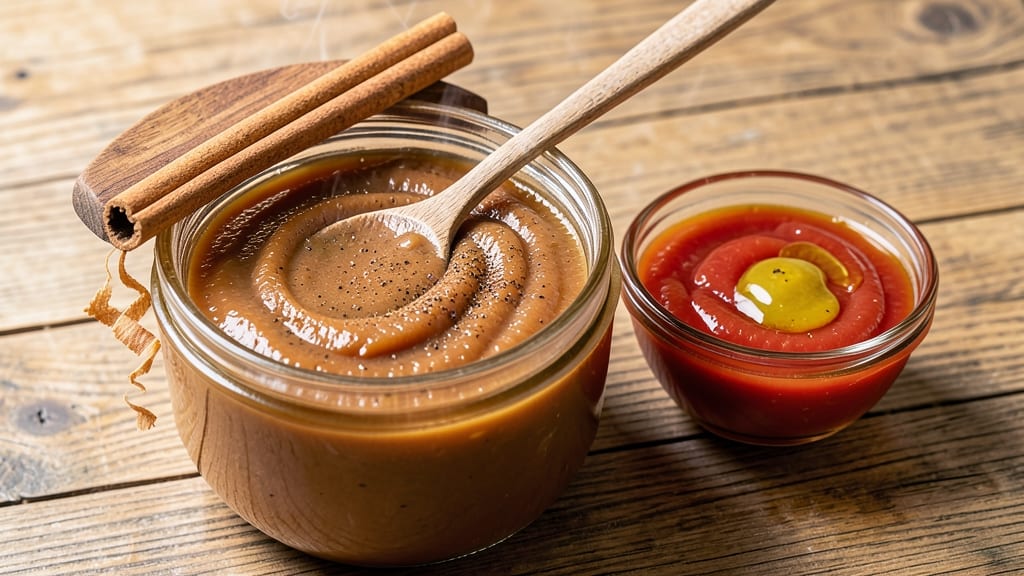
This apple sauce and apple butter recipe transforms seasonal apples into two versatile condiments that elevate everything from toast to roasted meats. The process is straightforward: peel, core, and simmer apples until tender, then blend for smooth sauce or reduce further for thick, spiced apple butter. I’ve perfected both methods—stovetop for hands-on control and Instant Pot for quick results—so you can choose what fits your schedule.
The key to exceptional flavor lies in the spices: cinnamon, nutmeg, and a pinch of clove create warmth that pairs beautifully with the natural sweetness of the apples.
For apple sauce, you’ll achieve a velvety texture with just the right balance of tartness and sweetness, while apple butter develops a rich, caramelized depth perfect for spreading on pancakes or drizzling over cheese plates. Both recipes use minimal ingredients but deliver maximum impact.
What sets these recipes apart is their versatility—use apple sauce as a topping for yogurt or oatmeal, or serve it alongside pork chops for a classic pairing. Apple butter shines as a gift-worthy spread, with its thick, jam-like consistency that clings to every bite.
The slow-cooked method ensures deep flavor, while the stovetop version keeps things simple without sacrificing taste.
Storage is effortless: both condiments keep well in the refrigerator for up to two weeks or can be canned for long-term preservation. Whether you’re prepping for holiday gifts or stocking your pantry for winter, these recipes deliver restaurant-quality results with minimal effort. Let’s get cooking!
Ingredients for apple sauce apple butter
Six pounds of apples and five spices transform into two pantry staples—smooth sauce and thick, spiced butter.
| Ingredient | Amount | Notes |
|---|---|---|
| Apples (Mixed Varieties) 🍎 | 6 lb | Peeled, cored, cut into chunks |
| Granulated Sugar 🍚 | 1 ½ cups | Adjust to taste for sweetness |
| Ground Cinnamon 🌿 | 2 tbsp | For apple butter's signature warmth |
| Ground Nutmeg 🍃 | 1 tsp | Freshly grated preferred |
| Ground Cloves 🌶️ | ¼ tsp | A pinch of spice magic |
| Lemon Juice 🍋 | 2 tbsp | Freshly squeezed for brightness |
| Water or Apple Juice 💧 | 1 cup | For thinning apple sauce |
| Extra-Virgin Olive Oil 🫒 | 1 tbsp | For glossy finish (optional) |
The apples are the foundation, so grab a mix of sweet and tart varieties—Honeycrisp and Granny Smith work perfectly. Local farmers markets often have seasonal deals, and organic apples avoid waxy skins. For the spices, Penzeys or bulk bins offer the freshest ground cinnamon and nutmeg. The cloves? A tiny amount goes a long way—whole cloves can be toasted and ground for extra depth. Skip the pre-mixed spice blends; you want to control the balance here.
No Granny Smith? Fuji or Gala add sweetness, but reduce sugar slightly. The lemon juice can be swapped for apple cider vinegar if you're out, but fresh is brighter. For a vegan option, use maple syrup instead of sugar. The olive oil is optional but adds a luxurious finish—high-quality EVOO makes all the difference. If you prefer a chunkier sauce, blend only half the apples and leave the rest whole. The water or juice? Unsweetened apple juice keeps things cohesive without extra sugar.
Both condiments store beautifully. Apple sauce keeps for 1 week refrigerated or 6 months frozen. For apple butter, the thick texture means it lasts 2 weeks refrigerated or 1 year frozen. Portion into jars for gifts—mason jars with ribbon make them irresistible. The Instant Pot version cooks faster but watch it closely to avoid over-reducing. Stovetop gives you more control over the texture, so it’s worth the extra time if you’re making a big batch.
Why You'll Love This Recipe
- No Peel, No Stress: I toss in whatever apples I have—cores, peels, bruises—no fuss. The skins just melt into that rich, velvety texture, and honestly? You’d never know they were there.
- Spice Magic: That trio of cinnamon, nutmeg, and cloves? It’s like autumn in a jar. Sweet but warm, with just enough bite to make it feel special—not cloying, not boring.
- Breakfast to Dessert: Slather it on toast for a lazy morning, drizzle it over pancakes, or spread it on warm biscuits. Even my picky teen sneaks it into his oatmeal. (Yes, even on a Tuesday night.)
- Make It Once, Use It Forever: A big batch keeps for months in the fridge, and it’s cheaper than buying store versions. I freeze half for when I’m too tired to cook—just reheat and enjoy. Zero waste, all flavor.
Step-by-step instructions for apple sauce and apple butter
Here's how to transform fresh apples into two delicious variations—smooth apple sauce and rich apple butter.
Prepare the Apples for Cooking
In a large, heavy-bottomed pot, combine the 6 lb apples (mixed varieties) that you've already peeled, cored, and cut into 1-inch chunks. The mix of varieties gives you the best balance of sweet and tart flavors. Add the 2 tbsp lemon juice and stir gently to distribute it evenly through the apples.
This acid helps prevent browning and brightens the flavor as they cook. You'll notice the apples release a bit of liquid immediately—that's normal. Don't drain it yet. The lemon juice also helps balance the sweetness as we add sugar later. If you're using particularly tart apples, you might want to add a bit more lemon juice later if needed.
Simmer the Apples Until Tender
Place the pot over medium-high heat and bring the apples to a gentle boil. Once boiling, reduce the heat to medium-low and let the apples simmer uncovered for 15-20 minutes, stirring occasionally. You're looking for the apples to become fork-tender—they should collapse easily when pierced with a fork.
This simmering process breaks down the apple fibers, creating a smooth texture. I like to stir every few minutes to prevent sticking and ensure even cooking. If the mixture gets too dry before the apples are tender, add 1 cup water or apple juice to keep it moist. The apples should yield their juices freely, creating a thick sauce base.
Season and Cook for Apple Sauce
Once the apples are tender, stir in the 1.5 cups granulated sugar, 2 tbsp ground cinnamon, 1 tsp ground nutmeg, and 0.25 tsp ground cloves. Mix well to distribute the spices evenly. For apple sauce, add 1 cup water or apple juice and bring the mixture to a gentle simmer again over medium-low heat.
Let the apple sauce simmer for another 10-15 minutes, stirring occasionally, until it thickens to your desired consistency. You want it to coat the back of a spoon but still be spoonable. Taste and adjust the sweetness if needed—you can add more sugar if it's too tart, or a splash of lemon juice if it's too sweet. The spices should be warm and aromatic, not overpowering.
Reduce for Apple Butter (Optional)
For apple butter, after adding the spices, skip the water or apple juice. Instead, let the mixture simmer uncovered over low heat for 30-45 minutes, stirring frequently. This extended cooking time reduces the mixture and intensifies the flavors, creating a thick, spreadable consistency.
You'll know it's ready when the mixture coats the back of a spoon and pulls away from the sides of the pot. It should have a glossy sheen and a rich, concentrated apple flavor. If it's not thick enough after 45 minutes, continue simmering and stir more frequently to prevent burning. The apple butter should be smooth and spreadable, not watery or loose.
Finish and Store
Once your apple sauce or apple butter reaches the desired consistency, remove it from the heat. Stir in the 1 tbsp extra-virgin olive oil (optional) for a glossy finish and to help preserve the freshness. Let it cool slightly, then transfer to clean, sterilized jars or containers.
For best results, let the apple sauce or apple butter cool completely before sealing. Store in the refrigerator for up to 2 weeks or in the freezer for up to 6 months. The flavors will continue to develop and deepen over time. Enjoy your homemade apple sauce on pancakes, waffles, or toast, or spread the apple butter on toast, crackers, or use it as a filling for pastries.
Pro Tips For Making Apple Sauce Apple Butter
- Peel Before Chopping: I learned this the hard way—peeling the apples first saves you from digging through a pot of skins later. A vegetable peeler works faster than a knife, and it keeps your butter smoother.
- Simmer Low and Slow: This isn’t a race. After the initial boil, drop the heat to a gentle simmer—around 180°F (82°C)—or you’ll end up with burnt sugar and a bitter edge. Cover the pot for the first hour to help the apples break down faster.
- Strain Twice for Smoothness: One pass through a fine-mesh sieve won’t catch everything. After the first strain, press the pulp with a wooden spoon or spatula to extract every last drop of liquid, then strain again. Your butter will be velvety, not chunky.
- Toast the Spices First: Skip the ground spices straight from the jar—they’ll clump and muddy the flavor. Lightly toast whole cinnamon sticks, cloves, and nutmeg in a dry pan for 30 seconds until fragrant, then grind them fresh. It makes a real difference in depth.
Serving suggestions for this recipe
Breakfast Pairings
Apple sauce is a breakfast game-changer when paired with fluffy pancakes or buttermilk biscuits. I like to drizzle it over hotcakes with a dollop of whipped cream and a sprinkle of toasted pecans for crunch.
For apple butter, spread it thickly on sourdough toast with a smear of cream cheese—the tangy contrast is pure magic. Don’t forget French toast—the warm, spiced butter soaks into the bread perfectly. 🥞
Savory Applications
Apple sauce isn’t just for sweet dishes! Use it as a glaze for roasted pork tenderloin or ham—simmer it with a splash of apple cider vinegar and brush it on during the last 10 minutes of cooking.
For apple butter, mix it with Dijon mustard and honey to create a tangy sauce for grilled chicken or steak. The natural sweetness balances rich meats beautifully. 🍖
Cheese Boards
Apple butter transforms any cheese board into a showstopper. Pair it with sharp cheddar, brie, or Gouda for a sweet-savory combo. Add walnuts, dried apricots, and a sparkling wine (like Champagne or Prosecco) to elevate the experience.
For a rustic touch, serve it in a wooden bowl with crusty baguette slices on the side. The texture and flavor contrast make every bite exciting. 🧀
Dessert Toppings
Warm apple sauce is the perfect topping for vanilla ice cream, cheesecake, or warm apple pie. For a gourmet touch, layer it with caramelized bananas and a sprinkle of sea salt.
Apple butter shines on thick-sliced pound cake or as a filling for apple turnovers—just mix it with oatmeal and brown sugar for a rustic crumble. The spiced warmth complements desserts beautifully. 🍰
Holiday Gifts
Both apple sauce and apple butter make stunning, edible gifts. Package them in mason jars tied with burlap ribbon and a handwritten tag.
Include a recipe card with ideas like "Perfect with Cheese & Crackers" or "Drizzle on Pancakes." For a festive twist, add cinnamon sticks or star anise as garnishes. These gifts are always a hit during the holidays! 🎄
Global Twists
Try an Indian-inspired twist by adding cardamom and ginger to your apple butter, then serve it with naan bread. For a Mexican flair, mix apple sauce with chipotle powder and lime juice to create a sweet-savory salsa for tacos.
The possibilities are endless—don’t be afraid to experiment with global flavors! 🌍
Nutrition facts
Frequently asked questions
Can I make apple sauce and apple butter without peeling the apples?
Yes, you can skip peeling for a rustic texture! The skins add fiber and subtle earthiness, especially with varieties like Honeycrisp or Granny Smith. Just scrub them well first. For apple butter, unpeeled skins create a beautiful marbled look, but peeled apples yield a smoother texture. The choice depends on your preference for texture and visual appeal.
How do I know when apple butter is done?
Apple butter is ready when it coats the back of a spoon and pulls away cleanly from the pot. It should have a glossy sheen and thick, spreadable consistency—like thick jam. If it's not thick enough after 45 minutes of simmering, continue cooking on low heat and stir more frequently to prevent burning. The mixture should reduce significantly from the original volume.
Can I use frozen apples instead of fresh?
Frozen apples work perfectly and save time. Just thaw them first, then drain any excess liquid before cooking. Frozen apples may release more moisture, so you might need to adjust by adding 10-15 minutes to the simmering time. For apple butter, the extra liquid helps create the reduction, but monitor closely to avoid overcooking.
What's the best way to store homemade apple butter for gifting?
For gifting, let the apple butter cool completely, then transfer it to sterilized mason jars with airtight lids. Store in the refrigerator for up to 2 weeks or freeze for 1 year. Add a decorative ribbon and a recipe card with serving suggestions. The thick texture makes it ideal for gift-giving—just ensure the jars are completely sealed to prevent spoilage.
Why did my apple sauce turn out too watery?
Watery apple sauce usually means the apples weren't cooked long enough or too much liquid was added. Simmer uncovered for 10-15 extra minutes to reduce the liquid, or mash the cooked apples first to release more starch. If using a pressure cooker, cook for 5-8 minutes longer. For a thicker consistency, blend in 1-2 tbsp cornstarch mixed with water before serving.