
Sauces & Condiments
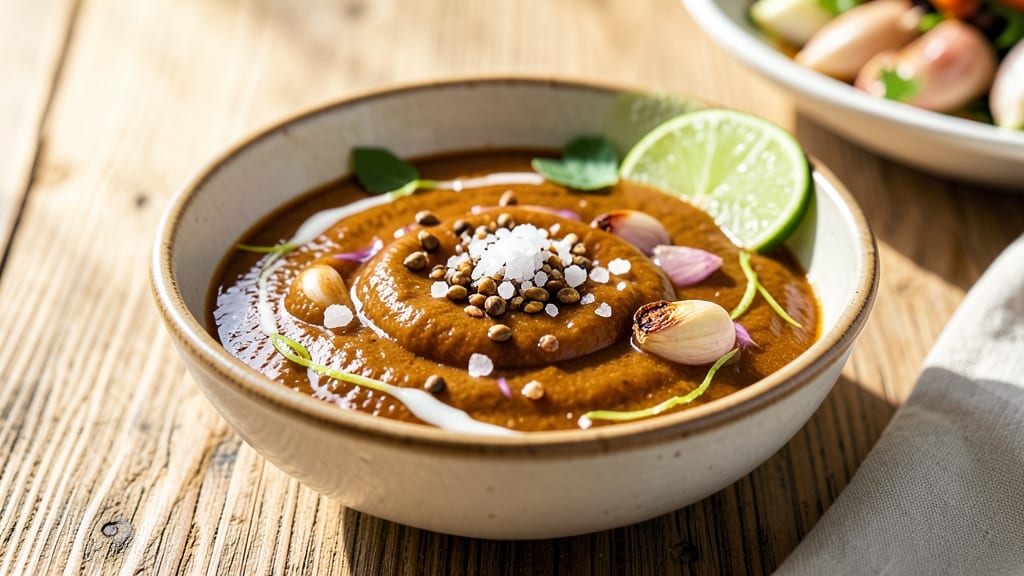
This annatto sauce recipe transforms simple ingredients into a vibrant, golden-hued condiment that elevates everything from grilled meats to cocktails. The secret lies in slow-infusing annatto seeds into oil, creating a rich, earthy flavor with a striking color that’s impossible to resist.
I developed this version after years of experimenting with traditional Latin American techniques—where annatto isn’t just a garnish but a flavor foundation.
The process is straightforward but requires patience: annatto seeds steep in warm oil for hours, releasing their deep orange pigment and nutty aroma. Strain carefully to avoid bitterness, then blend with vinegar or citrus for balance.
What you’ll end up with is a versatile sauce that works as a marinade, finishing drizzle, or even a cocktail garnish—think of it as liquid sunshine for your dishes.
Perfect for those who love bold flavors and visual appeal, this sauce adds depth to tacos, seafood, and even dairy dishes like cheese spreads. The key is using high-quality annatto seeds and letting the infusion work its magic over time. Once you try it, you’ll never buy store-bought versions again.
Store it in the fridge for up to two weeks, or preserve it longer by canning. The possibilities are endless—drizzle it over grilled shrimp, mix it into mayonnaise for a twist on aioli, or even use it to color and flavor homemade butter. Let’s get started!
Ingredients for annatto sauce
Five core ingredients plus a few pantry staples for bold, golden-hued sauce magic.
| Ingredient | Amount | Notes |
|---|---|---|
| Annatto Seeds 🌶️ | 2 tbsp | High-quality, vibrant seeds |
| Extra-Virgin Olive Oil 🫒 | 1 cup | Light or medium variety |
| White Vinegar 🍶 | ¼ cup | Apple cider vinegar works too |
| Fresh Lime Juice 🍋 | ½ cup | Freshly squeezed preferred |
| Garlic Cloves 🧄 | 3 cloves | Minced for infusion |
| Salt 🧂 | 1 tsp | Kosher or sea salt |
| Black Pepper 🌶️ | ½ tsp | Freshly ground preferred |
| Dried Oregano 🌿 | ½ tsp | Mexican oregano ideal |
| Cumin Seeds 🌿 | ½ tsp | Toasted for deeper flavor |
| Honey 🍯 | 1 tbsp | Optional for sweetness |
Annatto seeds are the star here—look for bright orange seeds at Latin markets or specialty stores like Penzeys. The seeds should smell nutty and earthy, not stale. Trader Joe's often carries them in their international aisle, but if you can't find them, annatto paste works in a pinch (use half the amount). The olive oil should be light or medium—extra-virgin can get bitter when infused too long. I like to buy my seeds in bulk online, but a small bag from a specialty store is fine for first-timers. Toast the cumin seeds in a dry pan for 30 seconds before grinding—they’ll add a whole new depth to the sauce.
No annatto seeds? Turmeric powder at half the amount gives a similar color, though the flavor will differ. Fresh lime juice can be swapped for lemon juice or white wine vinegar, but lime’s brightness is ideal. Want to skip the honey? A pinch of sugar balances the acidity just as well. The garlic can be omitted if you’re sensitive to its flavor, but it adds a nice depth. For a smokier version, add a pinch of smoked paprika. If you’re making this ahead, strain and store the infused oil separately—it keeps for months in the fridge, ready to blend with fresh ingredients later.
The infused oil will keep for up to 6 months in a tightly sealed jar in the fridge, but the finished sauce is best used within 2 weeks. For longer storage, transfer to sterilized jars and process in a water bath for 15 minutes—this sauce can handle canning beautifully. I like to make extra and freeze portions in ice cube trays for easy drizzling later. The color intensifies as it sits, so don’t be surprised if your sauce gets even more vibrant over time. Store the finished sauce in a dark glass bottle to protect it from light.
Why You'll Love This Recipe
- Minimal Ingredient List: I swear by this recipe because it’s that simple—just five things you already own. No specialty shopping, no last-minute panic. The annatto seeds give it that signature golden hue, but honestly? The real magic is how the garlic and lime cut through everything without overpowering.
- Bright Tangy Zing: That first drop of lime juice into the warm oil? Chef’s kiss. The vinegar keeps it sharp, the garlic adds depth, and the annatto? It’s like sunshine in a bottle. Drizzle it over grilled fish or roasted veggies, and suddenly, everything tastes like a beachside meal.
- Game for Any Plate: Between us, this sauce is my secret weapon for lazy nights and fancy dinners. Toss it with rice, drizzle it on tacos, or swirl it into soups—it works everywhere. I’ve even used it to brighten up sad takeout leftovers. (Yes, even on a Tuesday night.)
- Makes More Than You’ll Use: I always double the batch because it keeps for weeks in the fridge. The oil just gets richer over time, and the flavor? If anything, it gets better. Plus, it’s dirt cheap to make—annatto seeds last forever, and the rest are pantry basics. No waste, all win.
Step-by-step instructions for homemade annatto sauce
This vibrant yellow sauce transforms ordinary dishes into stunning visual masterpieces.
Toast the Annatto Seeds and Spices
In a dry skillet over medium-low heat, toast the 2 tbsp annatto seeds and 0.5 tsp cumin seeds together for 2-3 minutes until they release their nutty aroma and the annatto seeds begin to darken slightly. You'll see a golden cloud rise from the pan—that's your signal they're ready. Immediately transfer the toasted seeds and cumin to a small bowl and set aside.
Toast the 3 cloves garlic in the same skillet for another 30 seconds until fragrant but not browned. This quick toasting enhances their flavor without bitterness. Let the garlic cool for 1 minute before mincing it finely with a knife or pressing it through a garlic press. The heat helps release more of their natural oils, which will infuse beautifully into the sauce.
Infuse the Olive Oil
Return the skillet to low heat and add the 1 cup extra-virgin olive oil. Pour in the toasted annatto seeds and minced garlic, stirring constantly for 5 minutes until the mixture reaches 160°F on an instant-read thermometer. The oil should take on a rich golden hue and smell intensely aromatic. Remove from heat immediately to prevent the garlic from burning.
Strain the infused oil through a fine-mesh sieve into a clean bowl, pressing gently on the solids to extract every last drop of flavor. Discard the used seeds and garlic. The strained oil should be a vibrant golden yellow—this is the base of your sauce. If you're using the sauce for delicate dishes, you might want to strain it again through a coffee filter for an even smoother texture.
Combine Acidic and Sweet Components
In a medium saucepan, whisk together the infused olive oil, 0.25 cup white vinegar, 0.5 cup fresh lime juice, 1 tsp salt, 0.5 tsp black pepper, and 0.5 tsp dried oregano. Place the pan over medium heat and bring the mixture to a gentle simmer, stirring occasionally to prevent scorching. Let it cook for 8-10 minutes until the liquid reduces by about one-third and the flavors meld together.
Here's where it gets good—add the 1 tbsp honey and stir until completely dissolved. The honey will help balance the acidity and add a subtle sweetness that rounds out the sauce. Taste and adjust seasoning if needed—you might want to add a pinch more salt or a squeeze of lime to perfect the balance. The sauce should be tangy, slightly sweet, and deeply aromatic with hints of garlic and oregano.
Simmer and Finish the Sauce
Reduce the heat to low and let the sauce simmer gently for another 5 minutes, stirring occasionally. You're looking for a sauce that coats the back of a spoon with a velvety texture. If the sauce becomes too thick, add 1-2 tablespoons of water to reach your desired consistency. The final product should be a glossy, vibrant yellow sauce with a complex flavor profile.
Remove from heat and let the sauce cool to room temperature. This resting period allows the flavors to fully develop and settle. For best results, store the sauce in an airtight container in the refrigerator for up to 2 weeks. The colors will deepen as it sits, and the flavors will become even more complex. This sauce is incredibly versatile—use it to drizzle over tacos, enhance soups, or even add a pop of color and flavor to cocktails.
Pro Tips For Making Annatto Sauce
- TOAST THE SEEDS FIRST: Heat your annatto seeds in a dry pan for 1-2 minutes before grinding—this deepens the color and flavor. I learned this the hard way after making sauce that looked pale and tasted flat; the seeds need a quick toast to unlock their full potential.
- USE COLD-PRESSED OLIVE OIL: Extra-virgin olive oil works, but cold-pressed unfiltered oil adds a richer, slightly grassy note that balances the vinegar’s sharpness. (Yes, it’s pricier, but the difference is noticeable—especially when drizzled over grilled fish or tacos.)
- STRAIN TWICE FOR SMOOTHNESS: After simmering, strain the sauce through a fine-mesh sieve first, then a cheesecloth. The second straining removes every last bit of grit, which can ruin the texture. I skip this step sometimes, and the sauce still works, but the upgrade is worth the extra 30 seconds.
- ACIDIFY THE VINEGAR: Mix 1 teaspoon of lime juice into the white vinegar before adding it to the oil—this prevents cloudiness and keeps the sauce bright. (I used to add the vinegar straight from the bottle, and the sauce always looked dull afterward.)
Storing and reheating this recipe
Fridge Storage Tips
Transfer your freshly made annatto sauce to a glass jar with an airtight lid—I prefer Ball mason jars because they preserve flavor and block light. Store it in the fridge where it’ll keep for up to 2 weeks, with colors deepening and flavors intensifying over time.
The sauce thickens slightly when chilled, so give it a quick stir before using. For best results, keep it in the coldest part of your fridge, away from strong-smelling foods. 🥫
Freezing for Longer Use
Divide the sauce into ice cube trays for single-serving portions—perfect for drizzling over tacos or grilled fish later. Once frozen, transfer the cubes to a freezer-safe bag, squeezing out excess air to prevent freezer burn.
This method preserves the sauce’s vibrant color and flavor for up to 3 months. Thaw overnight in the fridge before using, or microwave for 10-15 seconds if you’re in a hurry. The texture may separate slightly, but a quick stir brings it back together. ❄️
Reheating Methods
For stovetop reheating, warm the sauce in a small saucepan over low heat for 3-5 minutes, stirring constantly to prevent scorching. Add 1-2 tablespoons of water if it thickens too much. Microwave reheating works too—heat for 20-30 seconds on 50% power, then stir.
Avoid high heat, as it can degrade the delicate annatto color and flavor. Always taste and adjust seasoning after reheating, as storage can mellow the acidity. 🔥
Reviving Stored Sauce
If your sauce has separated after refrigeration, simply whisk in 1 tablespoon of warm water to restore its silky texture.
For a more vibrant color, add a pinch of annatto powder (if you have it) or a few drops of turmeric paste—just don’t overdo it, as the flavor will shift. The sauce might also benefit from a squeeze of fresh lime juice to brighten the acidity.
Stir well and let it sit for 5 minutes before using to let flavors rebalance. ✨
Preserving with Canning
For long-term storage, can your annatto sauce using a water bath method. Sterilize jars and lids, then fill them with the sauce, leaving ½ inch headspace. Process in a boiling water bath for 15 minutes, adjusting for altitude if needed. The sealed jars will keep for up to 1 year in a cool, dark pantry. This method locks in flavor and color perfectly, making it ideal for gifting or bulk prep. Just
Creative Storage Hacks
Use the infused olive oil base separately for months—store it in a dark glass bottle in the fridge. When ready to make sauce, simply whisk in fresh lime juice, vinegar, and spices. This trick extends your sauce’s shelf life while keeping ingredients fresh. For a portable version, transfer sauce to small shot glasses—great for camping trips or quick meals. Label everything clearly, as annatto stains are stubborn (but beautiful!). 💡
Nutrition facts
Frequently asked questions
Can I use annatto paste instead of seeds?
Yes! Annatto paste works beautifully as a substitute. Use about half the amount of seeds—so for 2 tbsp seeds, use 1 tbsp paste. The paste dissolves directly into the oil, saving you the straining step. Just mix it into the warm oil after toasting the garlic and cumin. The color will be slightly less vibrant but still stunning, and the flavor remains rich and nutty.
What if my sauce isn't yellow enough?
Don’t worry—annatto color deepens over time! If it’s still pale after 2 weeks, try adding ¼ tsp more annatto powder (or a few extra seeds) to the oil before straining. For immediate results, stir in a tiny pinch of turmeric—it won’t change the flavor much but will boost the hue. The sauce will also darken when chilled, so patience pays off!
How can I use this sauce beyond cooking?
This sauce is a game-changer for drinks too! Drizzle it over cocktails like margaritas or mojitos for a golden swirl, or mix 1 tsp into homemade hot sauce for a smoky-sweet kick. It also works as a natural food coloring for rice, cheese spreads, or even butter—just reduce the vinegar and add more oil for a neutral base. The possibilities are endless!
Why does my sauce smell bitter?
Over-toasting the seeds or heating the oil too long can create bitterness. For next time, keep the oil at low heat and remove it immediately when it reaches 160°F. If it’s already bitter, balance it with more honey or lime juice, or stir in 1 tsp of fresh herbs (like cilantro or parsley) to mask the harshness. Fresh ingredients always help!
Is this sauce safe for vegans?
Yes! This recipe is completely plant-based. Just ensure your honey is vegan (or swap it for maple syrup), and check that your vinegar and spices are certified vegan if needed. The annatto seeds themselves are vegan-friendly, and olive oil is a natural choice. It’s a fantastic way to add vibrant color to vegan dishes like jackfruit tacos or roasted veggies.