
Sauces & Condiments
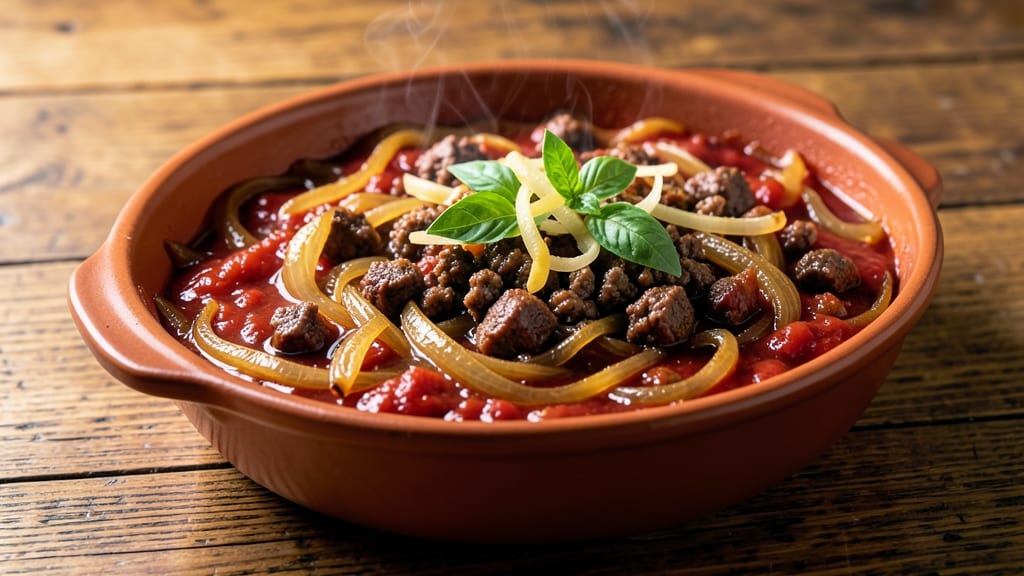
This Andiamo Bolognese sauce recipe transforms simple ingredients into a rich, slow-simmered masterpiece that clings to pasta like a second skin. The secret lies in patience—hours of gentle cooking develop deep umami flavors that elevate any dish from ordinary to extraordinary. I’ve perfected this version to balance tradition with modern convenience, ensuring restaurant-quality results without the fuss.
What sets this sauce apart is the technique: onions caramelized until golden, wine deglazing the pot to capture every flavor, and a slow simmer that lets the meat tenderize while the tomatoes meld into a velvety base.
The result is a sauce so rich it coats each noodle perfectly, with layers of savory, sweet, and herby complexity that keep you reaching for seconds.
The beauty of Bolognese lies in its versatility—serve it over tagliatelle, stuff it into ravioli, or use it as a hearty filling for lasagna.
The sauce improves with time, so make a big batch and store it for up to 5 days in the fridge, or freeze portions for future meals. Every spoonful delivers that satisfying, comforting depth that makes this sauce a pantry staple.
For those with dietary needs, I’ve included adaptable variations—swap ground beef for lentils or mushrooms, and use gluten-free flour for thickening. The core technique remains the same, proving that great sauce is about method, not shortcuts. Let’s get cooking—your taste buds will thank you.
Ingredients for andiamo bolognese sauce
Twelve ingredients, hours of simmering, and a sauce that transforms ordinary pasta into an extraordinary meal.
| Ingredient | Amount | Notes |
|---|---|---|
| Ground Beef (Chuck Roast) 🥩 | 1 ½ lb | 80% lean, finely ground for texture |
| Yellow Onions 🧅 | 2 whole | Thinly sliced, caramelized slow |
| Garlic Cloves 🧄 | 4 cloves | Minced, fresh preferred |
| Dry Red Wine 🍷 | 1 cup | Bold Cabernet Sauvignon or Merlot |
| Canned Crushed Tomatoes 🍅 | 28 oz | San Marzano preferred, no salt added |
| Tomato Paste 🍅 | 2 tbsp | High-quality, no sugar added |
| Whole Milk 🥛 | 1 cup | Full-fat for creaminess |
| Fresh Parsley 🌿 | ¼ cup | Chopped, for finishing |
| Fresh Rosemary 🌿 | 2 sprigs | Fresh, stems removed |
| Fresh Thyme 🌿 | 1 tbsp | Leaves only, finely chopped |
| Extra-Virgin Olive Oil 🫒 | ½ cup | High-quality, fruity |
| All-Purpose Flour 🌾 | 1 tbsp | For thickening, optional |
| Diamond Crystal Kosher Salt 🧂 | 1 ½ tsp | Adjust to taste |
| Freshly Ground Black Pepper 🌶️ | ½ tsp | Freshly cracked |
The ground beef is the foundation—chuck roast yields the best texture and flavor, though Italian sausage works beautifully for a different profile. For the onions, yellow onions caramelize more deeply than white, and slicing them thin is critical to avoid bitterness. I source my beef from Whole Foods or local butchers when possible, but the pre-ground packages at Kroger work well for weeknight cooking. The San Marzano tomatoes are non-negotiable—their sweetness and acidity balance perfectly, though no-salt-added crushed tomatoes from Trader Joe's are a solid budget alternative. Fresh herbs make all the difference here: rosemary and thyme should be vibrant green with no wilt, and parsley adds brightness at the end. If you can't find fresh, dried herbs at one-third the amount suffice, though the flavor won't be as bright.
No red wine? Dry white wine or beef broth with a splash of balsamic vinegar works in a pinch, though the acidity will differ slightly. The tomato paste can be skipped if you're using high-quality crushed tomatoes, but it deepens the sauce's richness—look for brands without added sugar. For a vegetarian version, swap the beef for finely chopped mushrooms or lentils, though the texture will vary. The milk adds silkiness, but half-and-half or coconut milk can substitute for a richer or dairy-free option. If you're concerned about the sauce being too thin, gluten-free flour works just as well as all-purpose for thickening, though it requires more monitoring. The olive oil should be extra-virgin—cheaper oils can taste bitter and overpower the delicate flavors. For storage, portion the sauce into airtight containers before freezing to make reheating easier.
This sauce tastes even better the next day as the flavors meld, so make a big batch—it keeps for up to 5 days in the fridge or 3 months in the freezer. To reheat, simmer gently on the stove, stirring occasionally, until warmed through. The sauce thickens as it cools, so add a splash of milk or broth if it becomes too stiff. For serving, toss with freshly cooked pasta and finish with a sprinkle of fresh parsley and a crack of black pepper. The rosemary and thyme can be removed after simmering if you prefer a smoother texture, but leaving them in adds depth. If you're prepping ahead, freeze the sauce in portions—it reheats beautifully and makes for quick weeknight dinners.
Why You'll Love This Recipe
- One-Pot Magic: I swear by this recipe—just brown the beef, toss in the onions and garlic, deglaze with wine, then let the tomatoes do their thing. No extra pots, no fuss, and the house still smells like heaven when it’s done.
- Wine’s Secret Weapon: That splash of dry red wine? It’s not just for show—it cuts through the richness of the beef and onions, then melds into something deep and savory. Honestly, the first time I skipped it, I regretted it instantly.
- Leftovers That Shine: Make a double batch and freeze half. Thaw it later for pasta, stuffed peppers, or even a lazy Sunday breakfast with eggs. It tastes just as good reheated as it does fresh—proof it’s a keeper.
- Budget-Friendly Luxury: Chuck roast is cheap, canned tomatoes are a steal, and you’re using pantry staples. Yet somehow, it feels like a restaurant-quality sauce. Between us, this is how I feed my family well without breaking the bank.
Step-by-step instructions for slow-simmered umami Bolognese
A rich, layered sauce begins with patience and precision. Here's how to transform simple ingredients into a velvety Bolognese that clings to pasta perfectly.
Develop Deep Flavor with Caramelized Aromatics
Heat the 0.5 cup extra-virgin olive oil in a heavy Dutch oven over medium-low heat. Add the 2 whole yellow onions, sliced thinly, and cook for 20-25 minutes until deeply golden and caramelized—this step builds the sauce's sweet, complex foundation. Stir occasionally to prevent burning, and resist the urge to rush; the onions should transform from pale to rich amber.
When the onions are nearly done, add the 4 cloves garlic, minced, along with the 1 tbsp fresh thyme and 2 sprigs fresh rosemary. Cook for 1-2 minutes until the garlic is fragrant but not browned. This aromatic trio will infuse the entire sauce with herbal depth. Remove the rosemary sprigs before proceeding—you only want the leaves.
Brown the Ground Beef for Maximum Flavor
Increase heat to medium-high and add the 1.5 lb ground beef (chuck roast) in batches, breaking it apart with a wooden spoon. Let it brown deeply for 8-10 minutes, stirring occasionally, until all traces of pink disappear and the meat develops a rich crust. This browning reaction, called the Maillard effect, creates the sauce's signature umami intensity.
Once fully browned, drain excess fat, leaving about 1 tablespoon in the pot to help build flavor. If you prefer a lighter sauce, you can drain more, but I've found that small amount of rendered fat adds richness without heaviness. Sprinkle with 1.5 tsp diamond crystal kosher salt and 0.5 tsp freshly ground black pepper, rubbing it into the beef to ensure even seasoning.
Deglaze and Build the Sauce Base
Reduce heat to medium and add the 1 cup dry red wine, scraping up all the browned bits from the bottom of the pot. Let it simmer for 3-4 minutes until reduced by half. This deglazing step captures all the concentrated beef flavor that would otherwise go down the drain.
Stir in the 2 tbsp tomato paste and cook for 1 minute to cook off the raw taste. Then add the 28 oz canned crushed tomatoes, stirring to combine. The sauce should look thick and vibrant. Here's where the magic happens: bring to a gentle simmer and let it cook uncovered for 45-60 minutes, stirring occasionally. You're looking for a sauce that thickens naturally through reduction, developing a glossy, velvety consistency.
Finish with Milk and Herbs for Creamy Depth
After the initial simmer, stir in the 1 cup whole milk and 1 tbsp all-purpose flour (if using). The milk adds creaminess without making the sauce watery, while the flour helps thicken slightly. Simmer gently for another 15-20 minutes, stirring frequently, until the sauce reaches your desired consistency—it should coat the back of a spoon but still be spoonable.
Finally, fold in the 0.25 cup chopped fresh parsley and adjust seasoning with additional salt and pepper if needed. The parsley brightens the sauce with freshness, balancing the rich, earthy flavors. Let the sauce rest for 10 minutes before serving—this allows the flavors to meld completely and the texture to set properly.
Pro Tips For Making Andiamo Bolognese Sauce
- CRUSH YOUR ONIONS: Fine dice those yellow onions—think 1/8-inch pieces, not rough chunks. I learned this the hard way: big onion pieces turn to mush, and you’ll be stirring a soup instead of building layers of flavor.
- SEAR THE BEEF LOW: Start with a cold pan and let the chuck roast ground beef warm slowly over medium-low heat. After it loses its raw color, bump to medium-high for a proper sear—this keeps it juicy and prevents greasy sauce later.
- DEGLAZE WITH WINE: Don’t just dump that red wine in—let it simmer for 3-4 minutes first. The alcohol burns off, leaving behind depth, and the onions won’t turn bitter from sudden heat shock.
- STIR THE TOMATOES: Break up the crushed tomatoes with a wooden spoon before adding them to the pot. You want a chunky texture, not a smooth paste—this adds body and chew that store-bought sauce lacks.
Troubleshooting great andiamo bolognese sauce
Sauce Too Thin?
If your Bolognese turns out too thin, don’t panic—this happens when the tomatoes release too much liquid. Simmer uncovered for an extra 10-15 minutes to reduce it naturally.
For quicker results, mix 1 tbsp all-purpose flour with 2 tbsp cold water to make a slurry, then whisk it into the sauce. Cook for 3-5 minutes until thickened. Pro tip: Use a heavy-bottomed pot like a Dutch oven to prevent scorching during reduction. 🌡️
Meat Not Tender?
Overcooking the beef is the #1 reason for tough Bolognese. Once the meat is browned, keep the heat at medium-low during simmering—never boiling. If you notice the sauce is too thin after browning, reduce it before adding tomatoes.
For extra tenderness, add ½ cup beef broth after the wine deglazing to keep the meat moist. I’ve found that chuck roast (80% lean) stays juicier than leaner cuts. 🥩
Sauce Too Acidic?
Too much tomato acidity can overpower the dish. Balance it by adding 1 tbsp tomato paste or ½ cup milk to mellow the tang. A pinch of sugar (½ tsp) also helps, but use sparingly. If the sauce still tastes sharp, simmer uncovered longer to evaporate excess acidity.
For a smoother finish, blend the sauce briefly with an immersion blender—just enough to break up chunks without turning it into a smooth paste. 🍅
Herbs Too Strong?
Fresh herbs can dominate if overused. Remove rosemary sprigs after 15 minutes of cooking, and thyme leaves after 20 minutes to prevent bitterness. For parsley, add it only at the end—it’s delicate and burns quickly.
If you’re using dried herbs, reduce amounts by ⅓ (e.g., ½ tsp dried thyme instead of 1 tbsp fresh). Taste as you go and adjust gradually. 🌿
Fat Separating?
Excess fat rising to the top is normal but can be avoided. After browning the beef, drain all but 1 tbsp fat from the pot. If fat still separates during simmering, skim it off with a spoon or paper towels.
For a cleaner finish, chill the sauce overnight—the fat will solidify on top, making it easy to remove before reheating. This trick keeps your Bolognese rich without greasiness. ❄️
Sauce Too Heavy?
A sauce that’s too rich can feel overwhelming. Lighten it by adding ¼ cup whole milk or ½ cup beef broth at the end. For a lighter texture, simmer uncovered longer to reduce excess oil.
If the sauce tastes too heavy, a splash of lemon juice (1 tsp) brightens the flavor without altering the base. Serve with a side of arugula salad to cut through the richness. 🥗
Nutrition facts
Frequently asked questions
Can I make this Bolognese sauce without wine?
Replace the 1 cup dry red wine with 1 cup beef broth or 1 cup dry white wine for a similar acidity profile. If you're avoiding alcohol completely, use 1 cup unsweetened apple juice or 1 cup tomato juice—just know the flavor will be slightly different. The key is maintaining the same volume to properly deglaze the pot and capture the meat's flavors.
How do I know when the onions are caramelized enough?
The onions are perfectly caramelized when they turn a deep golden brown and smell sweetly nutty. This should take 20-25 minutes of slow cooking. They'll be soft enough to mash between your fingers but still hold their shape. If they start to darken too quickly or smell burnt, reduce the heat immediately. Patience here is key—rushed caramelization leads to bitterness.
Can I use ground turkey or chicken instead of beef?
Yes, but expect a lighter texture and milder flavor. Ground turkey works well (use 1.5 lbs for best results), while chicken will make the sauce even more delicate. For a turkey version, add ½ tsp smoked paprika to enhance depth. If using chicken, consider adding 1 tbsp tomato paste extra to compensate for the leaner meat. The cooking time remains the same, but watch the sauce closely—lean meats can make it thin faster.
Why does my Bolognese taste better after resting?
Resting allows the sauce to thicken naturally as the starches in the meat and tomatoes absorb moisture. It also lets the flavors meld completely, with the acidity from tomatoes and wine softening as they integrate. Chemical reactions continue even after cooking, creating deeper umami notes. For best results, let it rest 10-15 minutes before serving—this is when the sauce transforms from good to extraordinary.
What's the best pasta shape for Bolognese?
Traditional choices are tagliatelle or fettuccine—their flat surfaces cling perfectly to the sauce. For extra sauce coverage, try pappardelle or lasagna noodles. Avoid small shapes like penne or rigatoni, as they trap sauce but don't showcase its velvety texture. Pro tip: Toss the sauce with 1 tbsp pasta water before combining to help it coat the noodles evenly.