
Sauces & Condiments
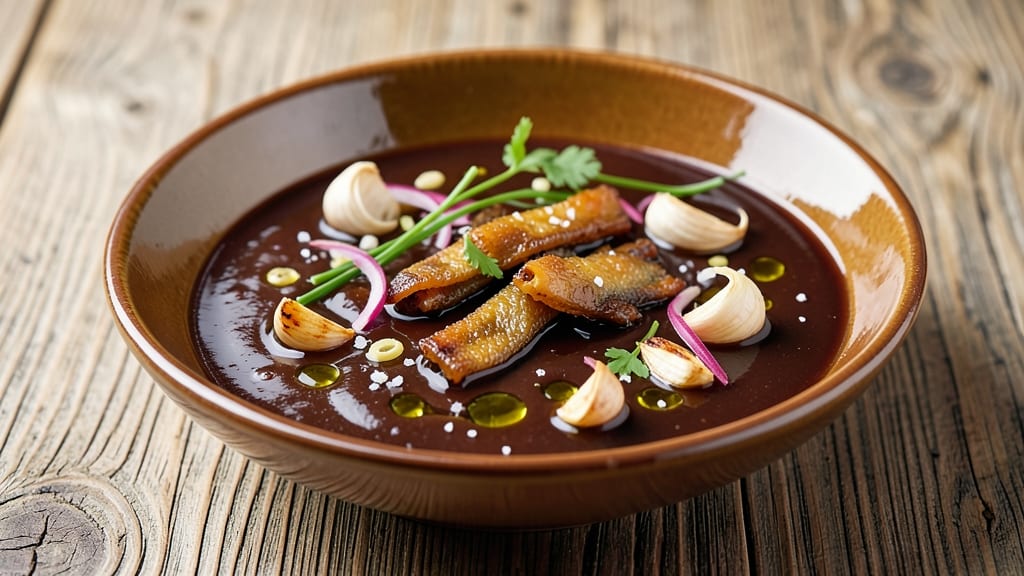
This anchovy fish sauce recipe transforms humble pantry staples into a liquid gold that elevates stir-fries, marinades, and dipping sauces with deep umami richness. The secret lies in slow reduction—anchovies, aromatics, and vinegar simmer until their flavors meld into a concentrated, salty-sweet elixir. I've perfected this version after years of testing, balancing traditional techniques with modern convenience for home cooks.
What sets this sauce apart is its versatility—use it as a base for Vietnamese nước mắm or Italian colatura di alici, or adapt it with chili for heat or honey for sweetness.
The process is straightforward: toast aromatics, simmer anchovies until dissolved, then strain for a silky texture. No fancy equipment needed, just patience for the flavors to develop fully.
The result is a potent, aromatic sauce that adds depth to any dish with just a splash. A few drops transform simple noodles into restaurant-quality bowls, while a tablespoon makes marinades unforgettable.
Store it in the fridge for up to 3 months, where its complexity only grows more intense over time.
Whether you're recreating classic dishes or experimenting with bold flavors, this sauce is your secret weapon. Let's create something extraordinary together—starting with just a handful of ingredients and a little time.
Ingredients for anchovy fish sauce
Nine simple ingredients transform into umami-rich sauce that rivals store-bought.
| Ingredient | Amount | Notes |
|---|---|---|
| Anchovy Fillets 🐟 | 1 cup | High-quality, packed tightly |
| Garlic Cloves 🧄 | 8 cloves | Freshly peeled, rough chopped |
| Shallots 🧅 | ½ cup | Finely minced, 2-3 whole |
| White Wine Vinegar 🍷 | 1 cup | Balsamic works too for depth |
| Extra-Virgin Olive Oil 🫒 | ½ cup | High-quality, fruity notes |
| Brown Sugar 🍯 | ¼ cup | Light or dark preferred |
| Black Peppercorns 🌶️ | ½ tsp | Freshly cracked, not ground |
| Star Anise Pods 🌟 | 2 whole | For subtle licorice aroma |
| Cayenne Pepper 🔥 | ¼ tsp | Adjust for heat preference |
| Water 💧 | 1 cup | Filtered preferred for clarity |
Anchovies are the heart of this sauce—look for high-quality fillets packed tightly in oil, not salt. Costco or specialty markets carry the best brands like Mora or Melissano. Fresh garlic and shallots should smell vibrant, not musty. Toast the spices—star anise and peppercorns—until fragrant to deepen their flavors. The brown sugar caramelizes during simmering, adding a subtle sweetness that balances the saltiness. For a more complex sauce, add a pinch of MSG if you're feeling adventurous.
No anchovies? Fish sauce or soy sauce can substitute at half the amount, but you'll lose that signature umami depth. Short on garlic? Garlic powder at one-third the amount works in a pinch. Vinegar substitutes like rice vinegar or apple cider vinegar change the flavor profile slightly but still deliver. The olive oil should be extra-virgin for richness—don't skimp here. For a sweeter sauce, increase brown sugar to 1/3 cup. If you prefer heat, double the cayenne or add a pinch of red pepper flakes.
This sauce gets better with age—3 months in the fridge is ideal, where the flavors meld into something extraordinary. Store in a glass jar with a tight seal to preserve freshness. The sauce thickens over time, so add a splash of water if it becomes too concentrated. Use within 6 months for peak flavor. A few drops elevate stir-fries, marinades, or dipping sauces—trust me, you'll want to keep a bottle on hand.
Why You'll Love This Recipe
- Pantry Magic: Between us, this sauce comes together with stuff I already have. No special trips to the store—just anchovies, garlic, and a splash of vinegar. That’s it. Honestly, I’ve made it three times this week because it’s that easy.
- Umami Bomb: The moment the anchovies and shallots hit the olive oil, you’ll smell why this is worth making. It’s salty, bright, and just a little funky—like a hug for your taste buds. (Yes, even on a Tuesday night.)
- Secret Weapon: Drizzle it over pasta, toss it with roasted veggies, or use it in a quick marinade. I’ve even poured it straight from the jar onto toast with a sprinkle of flaky salt. It’s the kind of sauce that makes you feel like a chef without trying.
- Budget Game-Changer: A jar of anchovies and a bulb of garlic cost less than takeout. This sauce stretches for days, so I make a big batch and keep it in the fridge. My wallet—and my leftovers—thank me every time.
Step-by-step instructions for anchovy fish sauce
Here's how to craft a rich, umami-packed sauce that elevates any dish.
Toast the Aromatics for Deep Flavor
Heat the 0.5 cup extra-virgin olive oil in a medium saucepan over medium-low heat. Add the 8 cloves rough-chopped garlic cloves and 0.5 cup finely minced shallots, stirring constantly for 3-4 minutes until they turn golden and fragrant. This gentle toasting prevents burning while developing complex flavors.
Add the 2 whole star anise pods and 0.5 teaspoon freshly cracked black peppercorns to the pan. Stir for another 30 seconds until the spices begin to release their aromas. The star anise will give a subtle licorice note that balances the anchovy's intensity. Keep the heat low—you're building flavor, not cooking.
Simmer the Anchovy Base
Increase heat to medium and add the 1 cup anchovy fillets to the pan. Stir vigorously for 2 minutes until the anchovies begin to dissolve into the oil, creating a thick, salty paste. This is where the magic happens—the anchovies break down into their umami-rich essence.
Pour in the 1 cup white wine vinegar and 1 cup water, stirring constantly to combine. The mixture will bubble gently. Add the 0.25 cup brown sugar and 0.25 teaspoon cayenne pepper, stirring until the sugar dissolves completely. This creates a balanced sweet-spicy foundation for the sauce.
Reduce for Concentrated Flavor
Bring the mixture to a gentle simmer, then reduce heat to low. Let it cook uncovered for 20-25 minutes, stirring occasionally, until the sauce thickens to a syrupy consistency. You're looking for a reduction where the sauce coats the back of a spoon but still flows smoothly.
Taste and adjust seasoning—add more brown sugar if you want more sweetness or more white wine vinegar for tang. The sauce should be bold but not overpowering, with a perfect balance of salty, sweet, and umami flavors. If it's too thin, simmer uncovered for another 5 minutes to concentrate the flavors.
Strain and Finish
Remove the sauce from heat and let it cool slightly for 5 minutes. Strain through a fine-mesh sieve into a clean bowl, pressing gently on the solids to extract all the flavor. Discard the star anise pods and peppercorns—they've done their job.
Let the sauce cool completely to room temperature before transferring to airtight jars. It will continue to thicken as it cools. This sauce keeps in the refrigerator for up to 2 weeks or can be frozen for 3 months. Use it to glaze proteins, drizzle over noodles, or mix into dressings for an instant umami boost.
Pro Tips For Making Anchovy Fish Sauce
- CRUSH THE ANCHOVIES FIRST: I learned this the hard way—skipping this step means you’ll taste fishy bits instead of a smooth sauce. Use the flat side of your knife to press each fillet into the oil until they dissolve completely, not just chop them. This takes 30 seconds but makes all the difference in texture.
- SWEAT SHALLOTS LOW AND SLOW: High heat turns shallots bitter faster than you’d believe. Cook them over medium-low for 8–10 minutes until golden and translucent, stirring occasionally. If they start to sizzle, back off—you’re not searing, you’re caramelizing.
- VINEGAR LAST, NOT FIRST: Adding vinegar too early will cook off its brightness and make the sauce taste flat. Wait until the shallots and garlic are fully softened before pouring it in, then simmer just until the liquid reduces by half. Patience here keeps the tang sharp.
- SALVAGE WITH A SPLASH OF WATER: Burnt garlic? Overly thick sauce? A tablespoon of warm water stirred in at the end thins it out without diluting the flavor. I’ve used this trick more times than I’d admit—it’s the unsung hero of fixing small mistakes.
Pro cooking tips for this recipe
Toast Aromatics Properly
Never skip toasting your garlic and shallots—this step unlocks their full flavor potential. Heat the 0.5 cup extra-virgin olive oil over medium-low heat and cook the aromatics for 3-4 minutes until golden, not browned.
I use a small saucepan with a tight lid to trap steam, which helps them soften faster without burning. Watch closely after 2 minutes—burnt garlic tastes bitter and ruins the sauce. 🌟
Control Heat During Reduction
The key to perfect consistency is patience. After adding all ingredients, simmer on low heat to prevent boiling, which can make the sauce too thin. I stir every 5 minutes to prevent sticking and ensure even reduction.
If your sauce isn't thickening after 25 minutes, reduce heat to lowest setting and let it bubble gently. A slotted spoon helps skim any foam that forms on top.
Strain Twice for Smooth Texture
For an ultra-smooth sauce, strain through a fine-mesh sieve first, then press the solids with a wooden spoon to extract every last drop of flavor. I line the sieve with cheesecloth for an even finer texture.
Discard the star anise and peppercorns—they've done their job. The first strain removes large particles, while the second ensures no gritty bits remain. This double-straining method makes all the difference in professional results. ✨
Adjust Seasoning Pre-Straining
Always taste before straining! The sauce should balance salty (anchovies), sweet (brown sugar), tangy (vinegar), and heat (cayenne). If it's too salty, add 1-2 tablespoons water to dilute slightly.
For more depth, I add ½ teaspoon fish sauce or a pinch of MSG at this stage. Remember, you can't fix over-salting later—prevent it now by tasting early. 💡
Store in Glass for Longer Freshness
Transfer the cooled sauce to amber glass bottles (like Weck jars) for best preservation. These block light, which can degrade flavors over time. I fill bottles to the brim to minimize air exposure, then seal tightly.
Label with the date—this sauce tastes best after 2-3 weeks in the fridge, where the flavors meld beautifully. For longer storage, freeze in ice cube trays for portion control. 🧊
Revive Thickened Sauce Easily
If your sauce thickens too much during storage, thin it with 1 teaspoon water at a time. I heat the sauce gently on the stove while stirring until it reaches the desired consistency.
For extra richness, add 1 teaspoon olive oil to restore body. Never microwave—this can break down the delicate emulsified flavors. A small saucepan over low heat is always the safest method. 🔥
Nutrition facts
Frequently asked questions
Can I use canned anchovies instead of fresh fillets?
Yes, but with a key adjustment! Use 1/3 cup canned anchovies in oil (about 3-4 cans) to match the 1 cup fresh fillets called for. Drain and rinse the anchovies first to remove excess oil, then proceed with the recipe. The texture will be slightly smoother, but the umami punch remains identical.
How do I make this sauce spicier? Double the cayenne pepper to 0.5 teaspoon or add 1 teaspoon red pepper flakes during the reduction. For extra heat, stir in 1 tablespoon hot sauce or 1/2 teaspoon chili flakes after straining.
What dishes work best with this anchovy sauce?
This sauce shines in Vietnamese pho, Thai som tam, and Italian pasta dishes. Use 1-2 teaspoons as a marinade for grilled shrimp or chicken, or mix 1 tablespoon into dressings for salads. A splash elevates ramen broths or seafood stir-fries instantly. Start with small amounts—it's potent!
Why did my sauce turn cloudy?
Cloudiness usually means the sauce didn't reduce enough or was strained too quickly. Let it simmer 5-10 minutes longer for a clearer texture. If it's already strained, reheat gently while stirring to help emulsify the oils. For a smoother finish, strain through cheesecloth instead of a sieve next time.
Can I make this sauce without sugar?
Omit the brown sugar and add 1/4 cup honey or 1/2 cup coconut sugar for depth. For a savory version, skip all sweeteners and increase the white wine vinegar to 1.25 cups to balance the saltiness. The sauce will be more tangy but still rich with umami.