
Sauces & Condiments
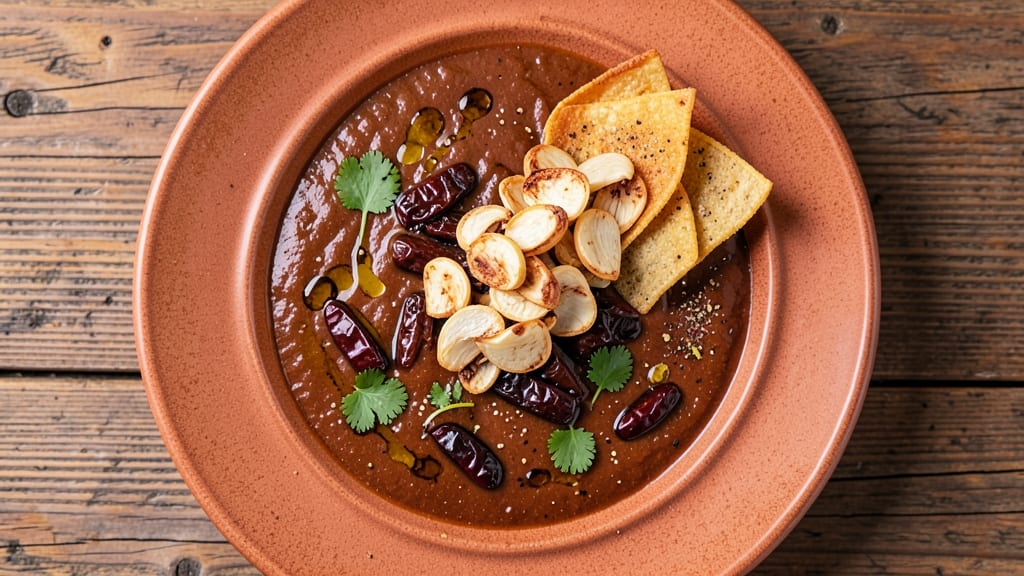
This ancho chile enchilada sauce recipe transforms dried ancho peppers into a velvety, smoky masterpiece that elevates every dish it touches. The key lies in soaking the chiles just long enough to soften without losing their deep, earthy flavor—then blending them with tomatoes, garlic, and warm spices until silky smooth.
I developed this version after years of testing, ensuring the sauce delivers that perfect balance of heat, sweetness, and complexity that makes it a pantry staple.
The process begins with rehydrating the ancho chiles in hot water, which unlocks their natural sweetness while preserving their signature smoky depth. Once blended with tomatoes, broth, and aromatic spices like cumin and oregano, the sauce simmers until thickened—just enough to coat the back of a spoon without being gluey.
The result? A sauce that's rich enough for enchiladas but versatile enough to drizzle over grilled meats, roasted vegetables, or even as a marinade.
What sets this sauce apart is its smooth yet layered texture, where every spoonful delivers a harmonious blend of roasted chile, tangy tomato, and warm spices. The slow simmering process allows flavors to meld naturally, creating a depth that store-bought versions simply can't match.
Whether you're prepping for a weeknight dinner or stocking your pantry for holiday gatherings, this sauce keeps beautifully in the fridge for up to a week or freezes for months.
For best results, let the sauce rest for at least 30 minutes before using—this allows the flavors to fully develop and intensify. The recipe yields about 3 cups, perfect for two batches of enchiladas or as a flavorful base for soups and stews.
Here’s how to make it step by step, ensuring every batch turns out restaurant-quality.
Ingredients for ancho chile enchilada sauce
Eight ingredients transform dried ancho chiles into velvety, restaurant-quality enchilada sauce.
| Ingredient | Amount | Notes |
|---|---|---|
| Dried Ancho Chiles 🌶️ | 4 whole | Stems and seeds removed |
| Hot Water 💧 | 2 cups | For soaking chiles |
| Canned Tomato Sauce 🍅 | 1 ½ cups | San Marzano preferred |
| Vegetable Broth 💧 | 1 cup | Low-sodium preferred |
| Garlic Cloves 🧄 | 4 cloves | Peeled and roughly chopped |
| Ground Cumin 🌿 | 1 tbsp | Toasted for depth |
| Dried Oregano 🍃 | 1 tsp | Mexican oregano preferred |
| Extra-Virgin Olive Oil 🫒 | 2 tbsp | For richness |
| Salt 🧂 | ½ tsp | Adjust to taste |
| Cinnamon Stick 🌿 | 1 whole | Optional for warmth |
Ancho chiles are the heart of this sauce, so pick the plumpest, darkest ones you can find—they pack the most flavor. Mexican grocery stores often carry them in bulk, but Latin markets or specialty sections at stores like Whole Foods usually stock them too. Avoid chiles that look shriveled or dull; freshness matters here. The soaking water is crucial—it unlocks their deep, earthy sweetness, so don’t skip it. I like to toast the dried chiles for 30 seconds in a dry skillet before soaking to deepen their smoky notes (trust me on this).
No ancho chiles? Guajillo or pasilla chiles work in a pinch, but the flavor will be slightly different—more tangy, less sweet. Fresh garlic is ideal, but garlic powder at half the amount works if you're short on time. For a quicker version, use fire-roasted diced tomatoes instead of sauce, but you’ll lose some of the sauce’s velvety texture. The cinnamon stick is optional but adds a subtle warmth that pairs beautifully with the smoky chiles. If you’re making this ahead, strain out the cinnamon after simmering to avoid bitterness.
This sauce tastes even better the next day as flavors meld. Store it in an airtight container in the fridge for up to 1 week or freeze for 3 months—perfect for meal prep. For freezing, portion it into ice cube trays first, then transfer to a bag. A splash of water or broth revives it beautifully if it thickens too much. Double the batch if you’re feeding a crowd; it’s that good.
Why You'll Love This Recipe
- I’ll be real: the only prep is deseed those ancho chiles and toast them—no knife skills required. A few minutes with a spoon and a bowl, then simmer. That’s it.
- No Chopping Needed: I’ll be real: the only prep is deseed those ancho chiles and toast them—no knife skills required. A few minutes with a spoon and a bowl, then simmer. That’s it.
- Smoky Depth Magic: The ancho’s natural sweetness and smoldering heat blend with garlic and tomato sauce into something ridiculously balanced. Not too spicy, not too mild—just rich, earthy, and perfect for wrapping around anything.
- Weeknight to Party: Same sauce works for enchiladas, quesadillas, or even drizzled over grilled fish. Make a double batch on Sunday, and you’ve got dinner covered for days—no last-minute stress.
Step-by-step instructions for ancho chile enchilada sauce
Here's how to transform dried ancho chiles into a rich, velvety sauce bursting with smoky warmth.
Toast the Chiles and Soak for Maximum Flavor
Toast the 4 whole dried ancho chiles in a dry skillet over medium heat for 30 seconds per side until fragrant and slightly puffed. This step deepens their natural sweetness and removes any bitterness. Immediately transfer them to a heatproof bowl and pour over the 2 cups hot water.
Let them soak for 15-20 minutes until completely softened and pliable. You'll see the water turn a beautiful deep red—this is your visual cue that the chiles have released their essential oils. I like to use a spoon to gently press them under the water's surface during soaking to ensure full hydration.
Blend the Chiles Until Silky Smooth
Drain the soaked chiles, reserving the soaking liquid. Transfer both the chiles and their soaking liquid to a blender. Add the 1.5 cups canned tomato sauce, 1 cup vegetable broth, 4 cloves garlic cloves, 1 tbsp ground cumin, 1 tsp dried oregano, 2 tbsp extra-virgin olive oil, and 0.5 tsp salt. Drop in the 1 whole cinnamon stick if using.
Blend on high until completely smooth, scraping down the sides as needed. You're aiming for a velvety texture without any graininess. The sauce should be vibrant red with a thick, almost paint-like consistency. Here's the thing—don't rush this blending step. The longer you blend, the more the flavors meld together, creating that authentic Mexican depth.
Simmer to Develop Complex Flavors
Transfer the blended sauce to a medium saucepan and bring to a gentle simmer over medium-low heat. Let it cook uncovered for 15-20 minutes, stirring occasionally, until it reduces slightly and becomes thicker. You'll notice the aroma intensify—that's when you know the flavors are developing beautifully.
Taste and adjust seasoning with additional salt if needed. The sauce should be rich, slightly sweet, and deeply smoky with warm cumin and earthy oregano notes. If it's too thick, whisk in 1-2 tablespoons of water to reach your desired consistency. Real talk: this is where patience pays off. Rushing the simmering means missing out on that complex flavor development.
Strain and Finish for Perfect Texture
Remove the saucepan from heat and let it cool slightly for 5 minutes. Then strain it through a fine-mesh sieve into a clean bowl, pressing gently on the solids with a spatula to extract all the flavorful liquid. This step ensures a silky, restaurant-quality sauce without any fiber or seeds.
The strained sauce should be smooth as silk with a deep red color. Taste one final time and adjust seasoning if needed. I promise, this sauce will elevate any enchiladas, tacos, or even as a dip for tortilla chips. The key is using the full amount of ingredients—every component contributes to that authentic, smoky depth that makes this sauce truly special.
Pro Tips For Making Ancho Chile Enchilada Sauce
- STEAM THE CHILES: Toss dried ancho chiles in a bowl with 1 cup hot water for 10 minutes first—this softens them without burning the edges. I learned this the hard way after charring a batch and ending up with bitter, gritty sauce. Just cover the bowl and let them plump up; no need to watch like a hawk.
- TOAST THE GARLIC: Sear minced garlic in oil for 30 seconds until golden, not brown—this deepens the flavor without bitterness. I used to rush it, and the sauce always tasted flat. Low heat, constant stirring: the garlic should smell nutty, not burnt.
- SIMMER LOW AND SLOW: Reduce the sauce to a thick, glossy consistency over 20-25 minutes on low heat. Skipping this step leaves it watery, and no one wants a soggy enchilada. Stir occasionally, and resist the urge to crank the heat—patience here makes all the difference.
- SALT THE TOMATO SAUCE: Add ½ teaspoon salt to the canned tomato sauce before mixing it with the chile blend. The acid in the tomatoes needs time to mellow, and salting early lets the flavors meld. I was skeptical until I tried it—now I never skip it.
Best sauces and condiments for this ancho chile enchilada sauce
Classic Pairings
This ancho chile enchilada sauce shines as the star of enchiladas verdes, where its smoky depth contrasts beautifully with corn tortillas and shredded chicken.
I love using it as a dipping sauce for tostadas or tortilla chips, especially when topped with crumbled queso fresco and avocado slices. The sauce’s natural sweetness balances the heat perfectly, making it ideal for breakfast tacos with scrambled eggs and chorizo. 🌶️
Protein Pairings
For grilled meats, this sauce transforms steak or pork chops into a restaurant-worthy dish. Brush it on ribs during the last 10 minutes of cooking for a sticky, caramelized glaze.
It also elevates black beans—simmer them in the sauce for 20 minutes to infuse every bite with smoky warmth. I once used it as a marinade for chicken thighs, and the result was unforgettable. 🔥
Vegetable Pairings
Roasted portobello mushrooms become a vegetarian showstopper when smothered in this sauce and topped with melted Monterey Jack cheese. Try it with zucchini noodles for a low-carb twist—toss them with the sauce and toasted pine nuts for crunch.
Even grilled corn gets a gourmet upgrade when slathered with the sauce and sprinkled with cotija cheese. The sauce’s earthy notes complement the sweetness of summer veggies beautifully. ✨
Breakfast Applications
This sauce isn’t just for dinner! Stir it into scrambled eggs for a Mexican-inspired breakfast—just 1-2 tablespoons per serving adds instant depth. Use it as a salsa for breakfast burritos with potatoes and sausage.
I even drizzle it over chilaquiles with crispy tortilla chips for a brunch-worthy dish. The smoky flavor wakes up your taste buds in the best way. 💫
Global Twists
For a fusion twist, mix this sauce with creamy peanut butter and a splash of soy sauce for a Thai-Mexican stir-fry glaze. It also works surprisingly well with Italian dishes—toss it with spaghetti and sautéed mushrooms for a smoky pasta that’ll surprise your dinner guests.
The key is balancing the sauce’s richness with complementary flavors. 🌍
Storage Hacks
Store leftovers in an airtight container in the fridge for up to 1 week—the flavors actually improve over time. For freezing, portion into ice cube trays, then transfer to a bag.
Thaw overnight in the fridge, then reheat gently on the stovetop with 1 tablespoon of water to restore its silky texture. The sauce freezes beautifully for up to 3 months, making it perfect for meal prep. ❄️
Nutrition facts
Frequently asked questions
Can I use fresh chiles instead of dried ancho chiles?
Fresh chiles won't work the same way—dried ancho chiles are essential for that signature smoky, slightly sweet depth. If you're desperate, you could try roasting fresh poblano peppers (they're mild and similar in texture), but you'll lose the complex flavor profile. For best results, stick with dried ancho chiles or guajillo/pasilla as substitutes.
How do I adjust the heat level in this sauce?
This recipe is naturally mild, but you can control the heat by adjusting the chile quantity. For more heat, add 1-2 dried arbol chiles (seeds removed) to the blend. For a completely mild version, reduce the ancho chiles to 3 and add 1 extra tablespoon of cumin to compensate for the flavor. Always taste as you go!
Why does my sauce look grainy after blending? Graininess usually means the chiles weren't fully hydrated before blending.
Can I make this sauce without a blender?
Yes! If you don't have a blender, soak the chiles as directed, then finely chop them by hand. Transfer everything to a food processor or even a mortar and pestle (though that's labor-intensive). For texture, you might want to strain the sauce afterward to remove any remaining fiber. The flavor will still be amazing, just slightly less silky.
How can I make this sauce spicier without adding more chiles?
For extra heat without changing the chile quantity, add ½ teaspoon of cayenne pepper or 1 teaspoon of smoked paprika during the simmering stage. You can also boost the depth of flavor by adding 1 teaspoon of chipotle powder in adobo sauce (about 1 tablespoon of the sauce from the can). These additions will enhance the complexity without altering the sauce's signature smooth texture.