
Sauces & Condiments
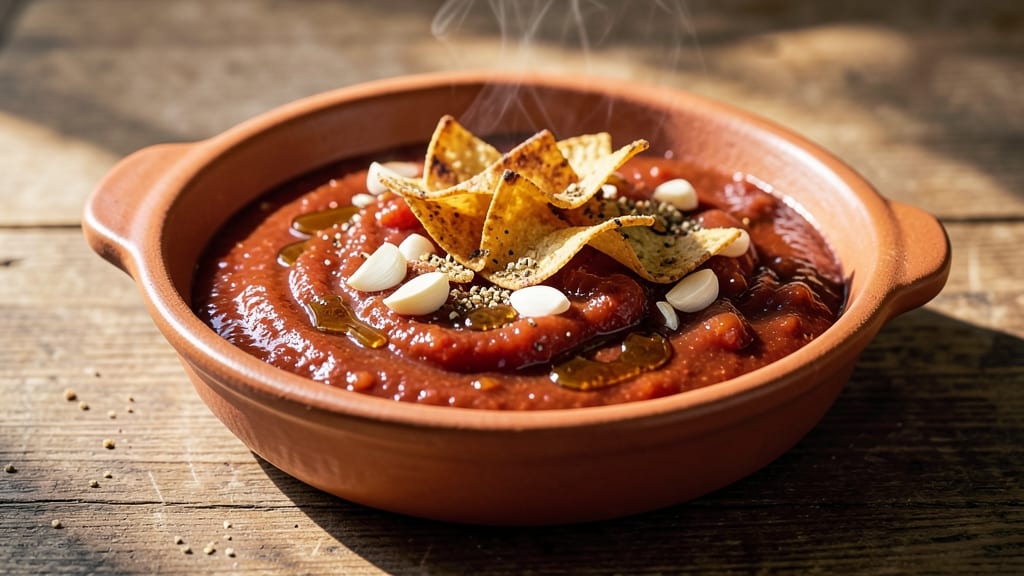
This Amy’s enchilada sauce recipe delivers the same velvety richness you love from the jar—but with a brighter, more complex flavor profile thanks to a secret vinegar zing. The key lies in simmering tomatoes, chiles, and spices until deeply concentrated, then blending with broth for that signature smooth texture.
I’ve perfected this version over years of testing, ensuring it’s mild enough for family meals but still packed with authentic depth.
The foundation starts with a simple blend of canned tomatoes, dried chiles, and aromatic spices like cumin and garlic, all toasted to wake up their flavors. A splash of apple cider vinegar adds that subtle tang that sets this sauce apart from the store-bought version—just enough to brighten without overpowering.
Simmering low and slow allows the sauce to thicken naturally, while a final blend creates that signature silky finish.
What you’ll end up with is a smooth, slightly tangy sauce that clings beautifully to enchiladas, tacos, or even as a dip for tortilla chips. The texture is velvety yet balanced, with just the right amount of heat from the chiles.
It’s the kind of sauce that transforms ordinary meals into something special—without the artificial aftertaste of commercial brands.
Best of all, this recipe scales effortlessly. Make a double batch and freeze half for later, or use it as the base for other Mexican-inspired dishes. The instructions are straightforward, but the flavor is anything but basic. Let’s get started!
Ingredients for amy's enchilada sauce
Nine ingredients, one secret tang—this sauce beats the jarred stuff every time.
| Ingredient | Amount | Notes |
|---|---|---|
| Fire-Roasted Diced Tomatoes (28 oz can) 🍅 | 1 can | San Marzano preferred for sweetness |
| Dried Ancho Chiles (4-5 chiles) 🌶️ | 4 whole | Stemmed, seeded, toasted lightly |
| Dried Guajillo Chiles (3-4 chiles) 🌶️ | 3 whole | Stemmed, seeded, toasted lightly |
| Apple Cider Vinegar 🍏 | 2 tbsp | For that signature tang |
| Garlic Cloves 🧄 | 4 cloves | Toasted until fragrant |
| Ground Cumin 🌿 | 1 tbsp | Toasted for deeper aroma |
| Mexican Oregano 🍃 | 1 tsp | Not regular oregano |
| Chicken or Vegetable Broth 💧 | 1 cup | Low-sodium preferred |
| Extra-Virgin Olive Oil 🫒 | 1 tbsp | For richness and balance |
| Salt 🧂 | 1 tsp | Diamond Crystal preferred |
The chiles are non-negotiable for that authentic depth. Grab dried ancho and guajillo from the Latin market section—Goya or La Costeña brands are reliable. Toast them lightly in a dry pan until fragrant (about 30 seconds per side), then soak in hot water for 10 minutes to soften. The tomatoes? San Marzano cans make all the difference—they’re sweeter and less acidic, so the sauce stays balanced. If you can’t find them, any good-quality diced tomatoes will work, but don’t skip the fire-roasted variety—they add a subtle smokiness that jarred brands miss.
No Mexican oregano? Regular oregano at half the amount works in a pinch, but trust me—it’s worth hunting down. Short on broth? Water plus a bouillon cube gets you close, but the umami from real broth elevates everything. The apple cider vinegar is the secret weapon here—substitute white vinegar at the same amount, but you’ll lose that subtle fruitiness. For extra richness, add 1 tablespoon of tomato paste to the simmer, but it’s not required. And if you’re feeling adventurous, a pinch of smoked paprika adds another layer of complexity without overpowering.
This sauce keeps beautifully—5-7 days in the fridge, 3 months frozen. For freezing, portion into ice cube trays, then transfer to a bag. Thaw overnight in the fridge before reheating. Double the batch and freeze half for lazy weeknights. The sauce thickens as it cools, so if it seems too thick after blending, stir in 1-2 tablespoons of broth. And if you’re making enchiladas, save some sauce to brush on top before baking—it’ll crisp up into a delicious crust.
Why You'll Love This Recipe
- No-Chop Necessary: I swear by this—just toast the dried chiles and toss them into the blender with the fire-roasted tomatoes. No dicing, no peeling, no fuss. The canned tomatoes handle all the heavy lifting while you sip your coffee.
- Smoky Depth in Minutes: That combo of ancho and guajillo? Pure magic. The vinegar brightens it up just enough to cut through the richness, and the garlic—oh, the garlic—adds this warm, lingering punch that makes every bite taste like a hug from a Mexican abuela.
- Weeknight to Party Hero: Same sauce, endless uses. Slather it on enchiladas for Taco Tuesday, drizzle it over grilled chicken for a quick dinner, or even toss it with rice and beans for a lazy Sunday. Freezes like a dream too, so you’re always covered.
- Budget-Friendly Pantry Staple: Four dried chiles and a can of tomatoes? That’s it. No specialty ingredients, no breaking the bank. I’ve made this sauce for years—it’s my go-to when I need flavor without the grocery haul, and it never lets me down.
Step-by-step instructions for Amy's enchilada sauce
Here's how to build rich, velvety sauce with layers of smoky chile and bright vinegar tang.
Toast and Rehydrate the Dried Chiles
Place the dried ancho and guajillo chiles on a baking sheet and toast in a preheated 350°F oven for 1-2 minutes until fragrant. You're not trying to burn them—just wake up their natural oils and aromas. Remove immediately when you smell their earthy depth.
Transfer the toasted chiles to a heatproof bowl and cover with 2 cups hot water. Let them soak for 15-20 minutes until completely softened. The water will turn a deep, vibrant red—this is your chile infusion. Drain the softened chiles, reserving the soaking liquid for later. I like to save this liquid because it contains concentrated chile flavor that would otherwise go to waste.
Build the Sauce Base
In a blender, combine the drained ancho and guajillo chiles with the 1 can fire-roasted diced tomatoes, 2 tbsp apple cider vinegar, 4 cloves toasted garlic, 1 tbsp toasted ground cumin, and 1 tsp Mexican oregano. Blend until completely smooth, scraping down the sides as needed. The sauce should be velvety with no visible texture.
Here's the thing—don't skip the vinegar. It might seem counterintuitive, but that bright acidity cuts through the richness of the tomatoes and chiles, creating that signature balance. If you're worried about the flavor, trust me: the vinegar will mellow as it cooks and blend seamlessly with the other ingredients.
Simmer and Develop the Flavor
Heat the 1 tbsp extra-virgin olive oil in a medium saucepan over medium-low heat. Pour in the blended chile mixture and stir to combine. Bring to a gentle simmer, then reduce heat to maintain a steady bubble. Let it cook uncovered for 15-20 minutes until thickened slightly and fragrant.
During this time, you'll notice the sauce deepen in color and develop complex layers of flavor. The vinegar will mellow, the garlic will mellow, and the chiles will release their smoky sweetness. Stir occasionally to prevent sticking, but don't over-stir—this can break down the texture. If the sauce gets too thick, add ¼ cup of the reserved chile soaking liquid to loosen it.
Finish with Broth and Season
Add the 1 cup chicken or vegetable broth and 1 tsp salt to the saucepan. Stir well to combine, then increase heat to medium-high and bring to a boil. Once boiling, reduce heat to medium-low and simmer for another 10 minutes to let the flavors meld completely.
Taste and adjust the seasoning if needed. You might need a bit more salt to balance the flavors, especially if you're using low-sodium broth. The sauce should be rich, velvety, and have that perfect balance of smoky, slightly sweet, and tangy notes. If you're making this ahead of time, let it cool completely before transferring to an airtight container and refrigerating for up to 5 days.
Use Immediately or Store Properly
For best results, use the sauce immediately to assemble your enchiladas. The fresh, vibrant flavors will shine brightest when used right away. If you need to store it, let it cool completely before transferring to an airtight container. It will keep in the refrigerator for up to 5 days, or you can freeze it for up to 3 months.
When reheating, do so gently over low heat to prevent curdling. If the sauce thickens too much while reheating, simply add a splash of water or broth to loosen it. This sauce is incredibly versatile—use it for enchiladas, tacos, quesadillas, or even as a base for soups and stews. The possibilities are endless, and the flavor is always delicious.
Pro Tips For Making Amy'S Enchilada Sauce
- STEAM THE CHILES FIRST: Toss those dried ancho and guajillo chiles into a pot of boiling water for 10 minutes before peeling—this softens them enough to blend smoothly. I used to skip this and ended up with a sauce full of stubborn chile skins that ruined the texture.
- USE A MORTAR AND PESTLE: Toasting the chiles in a dry skillet is good, but smashing them in a mortar with a pinch of salt first releases their oils and deepens the flavor. Sounds old-school, but it makes a real difference when you’re blending them into the sauce.
- SIMMER THE TOMATOES LOW: Don’t rush the fire-roasted tomatoes—let them simmer uncovered on low for at least 15 minutes. This evaporates some of the liquid and concentrates the smoky flavor, so your sauce isn’t watery when you blend it.
- ADD VINEGAR LAST: Stir in the apple cider vinegar right before you blend the sauce, not at the start. This keeps the acid bright and prevents the garlic from turning bitter too soon—trust me, it’s a game-changer for balance.
Serving suggestions for this amy's enchilada sauce
Enchilada Classics
This sauce transforms classic dishes like enchiladas suizas into showstoppers. Use it to smother corn tortillas filled with shredded chicken, then top with melted Monterey Jack cheese and crispy tortilla strips. For extra richness, brush a thin layer of sauce on top before baking. 🌟
For beef enchiladas, try layering the sauce between seasoned ground beef and Oaxaca cheese in flour tortillas. The sauce's tangy depth cuts through the meat's richness beautifully. Serve with Mexican crema and cilantro for freshness.
Taco Night Upgrade
Elevate your taco bar by using this sauce as a dipping sauce or drizzle it over al pastor tacos. The vinegar zing balances the smoky, spiced flavors perfectly. I like to serve it with pickled red onions and lime wedges for brightness.
Make enchilada-stuffed tacos by spreading the sauce on flour tortillas, adding shredded chicken, and rolling tightly. Pan-fry until crispy and serve with avocado crema and sour cream. The sauce's velvety texture makes every bite decadent.
Quesadilla Twist
Create enchilada quesadillas by layering the sauce between tortillas, cheese, and your choice of protein. The sauce melts into the cheese, creating a creamy, flavorful filling. I love using smoked Gouda for extra depth. 🧀
For a vegetarian version, stuff with black beans, corn, and Oaxaca cheese. The sauce's tangy notes complement the earthy flavors perfectly. Serve with salsa verde and lime for a balanced bite.
Dip Perfection
Whip up a quick enchilada sauce dip by thinning the sauce with a splash of broth or sour cream until it reaches a dippable consistency. Serve with tortilla chips or totopos for a crowd-pleasing appetizer. The vinegar zing makes it addictive! 🍿
For a spicy kick, add a pinch of cayenne pepper or chipotle powder to the dip. This sauce also works as a soup base—simply stir it into chicken or bean soup for instant Mexican-inspired flavor.
Nutrition facts
Frequently asked questions
Can I use fresh chiles instead of dried?
Yes, but you'll need about 4-5 fresh ancho or poblano chiles (seeds removed) for every 1 dried chile used in the recipe. Roast them first over an open flame or under a broiler until charred, then peel off the skin. The flavor will be slightly fresher but less concentrated than dried chiles, so you may want to add ½ tsp extra cumin to compensate for the intensity difference.
Why does the recipe call for apple cider vinegar?
The apple cider vinegar adds that signature tang that sets this homemade sauce apart from store-bought versions. It brightens the rich tomato and chile flavors without overpowering them. If you're avoiding vinegar, try ½ tsp lemon juice instead, but the sauce won't have quite the same depth. The vinegar mellows during cooking, leaving just a subtle hint of brightness.
How do I adjust the heat level?
For a milder sauce, reduce the number of dried chiles by 1-2 (start with 2 ancho and 2 guajillo). For more heat, add 1-2 dried chipotle chiles (soaked and blended) or a pinch of cayenne. Always taste as you go—the sauce will mellow slightly as it cooks. The key is balancing the chile heat with the vinegar's brightness to keep the flavors harmonious.
Can I make this sauce in a slow cooker?
After blending all ingredients, transfer the mixture to your slow cooker and cook on LOW for 3-4 hours (or HIGH for 1.5-2 hours). The slow cooking enhances the flavors even more, creating an ultra-rich sauce. Just stir occasionally and add a splash of broth if it gets too thick. The long cook time helps develop deeper, more complex flavors than stovetop simmering.
What if my sauce is too thick after blending?
Don't worry—this happens often! If your sauce is too thick after blending, simply add ¼ cup of the reserved chile soaking liquid or low-sodium broth and blend again. For an even smoother texture, simmer the blended sauce for an additional 5-10 minutes on the stovetop. The sauce will naturally thicken more as it cools, so adjust while it's still warm.