
Sauces & Condiments
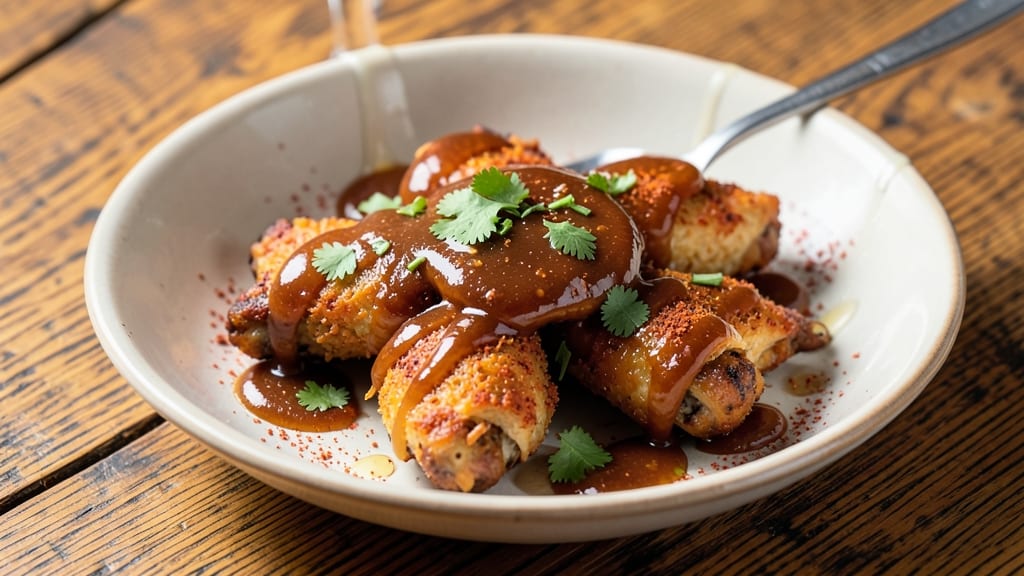
This Anchor buffalo wing sauce recipe delivers the perfect balance of creamy richness and bold, tangy heat that makes every bite unforgettable. The secret lies in combining melted butter with vinegar and hot sauce, creating a velvety sauce with a subtle vinegar zing that cuts through the richness.
I've perfected this sauce over years of testing, ensuring it's smooth, flavorful, and ready in just 10 minutes.
The sauce starts with a simple base of butter and vinegar, which creates that signature tangy backbone. Adding hot sauce and spices like garlic powder and paprika deepens the flavor, while a touch of sugar balances the heat.
The result is a sauce that's creamy enough to coat wings perfectly but still packs that signature buffalo kick. This recipe makes enough for a crowd, so you can toss wings, drizzle over salads, or even use it as a dipping sauce.
What sets this sauce apart is its versatility—it works equally well on crispy wings, tender chicken, or even as a glaze for vegetables. The sauce thickens slightly as it cools, making it ideal for dipping or tossing without making a mess.
Plus, it keeps well in the refrigerator for up to a week, so you can make a big batch and enjoy it all week long.
For the best results, let the sauce sit for 15 minutes after making to allow the flavors to meld together. Serve it warm with your favorite wings or use it as a bold dressing for salads.
The key to a great buffalo sauce is patience and balance—this recipe delivers both in every spoonful.
Ingredients for anchor buffalo wing sauce
Nine simple ingredients transform into that iconic buffalo wing sauce you crave.
| Ingredient | Amount | Notes |
|---|---|---|
| Unsalted Butter 🧈 | ¾ cup | Cold, cubed for easier melting |
| White Vinegar 🍶 | ½ cup | Distilled preferred for tang |
| Hot Sauce 🌶️ | ½ cup | Frank's RedHot recommended |
| Garlic Powder 🧄 | 2 tbsp | Freshly ground preferred |
| Paprika 🌶️ | 1 tbsp | Smoked variety for depth |
| Granulated Sugar 🍚 | 1 tbsp | Balances heat perfectly |
| Salt 🧂 | 1 tsp | Kosher or sea salt |
| Black Pepper 🌶️ | ½ tsp | Freshly cracked for bite |
| Buttermilk 🥛 | ¼ cup | For extra creaminess |
The butter and vinegar are your flavor foundation. Use unsalted butter—salted can make the sauce too salty—and grab distilled white vinegar from the baking aisle at Walmart or Target for that clean tang. Frank's RedHot hot sauce is the gold standard, but Louisiana or Crystal work too. For the spices, smoked paprika adds depth, while garlic powder gives that subtle garlic punch. I always buy mine in bulk from Bulk Barn or the spice aisle at Whole Foods—it keeps forever and tastes fresher longer. Pro tip: Toast your spices in a dry pan for 30 seconds before using to wake up the flavors.
No Frank's RedHot? Tabasco plus a pinch of cayenne gets you close. Short on buttermilk? Plain yogurt thinned with milk works in a pinch. The sugar is non-negotiable—it balances the heat without making the sauce sweet. Want extra tang? Add another tablespoon of vinegar. Need more heat? Swap in cayenne or hot sauce with more capsaicin like Valentina. The sauce thickens as it cools, so if it's too thin, simmer it longer. If it's too thick, whisk in a splash of milk or water. Trust me, you can always adjust the heat and tang to your taste—just don't skip the sugar.
This sauce keeps for 1 week in the fridge, but it actually tastes better the next day as the flavors meld. Store it in a sealed jar, and the vinegar will keep it from separating. For leftovers, reheat gently in a saucepan or microwave until warm—just don't boil it, or it'll separate. Freeze portions in ice cube trays for single-use servings. The sauce thickens when chilled, so if you're using it for dipping, let it sit at room temperature for 10 minutes before serving. It's perfect for wings, but don't stop there—drizzle it over roasted veggies, toss with pasta, or even use it as a marinade for chicken.
Why You'll Love This Recipe
- Pantry Magic: The butter, vinegar, and hot sauce combo is chef’s kiss—no fancy shopping list, just what you’ve got. I’ll be real: my fridge always has these, so I’m never stuck without wing sauce.
- Tangy Heat Balance: That white vinegar cuts through the richness, while the garlic powder and paprika add depth without overpowering. Honestly? It’s the kind of sauce that makes you lick the bowl—spicy, smoky, and just a little funky.
- Game for Any Day: Slather it on wings, toss it with fries, or drizzle it over grilled chicken. My daughter even asks for it on her plain toast when she’s sick—(yes, even on a Tuesday night).
- Leftovers That Pay: A double batch keeps for weeks in the fridge, and it’s half the cost of store-bought. Between us, I’ve used this sauce for three different meals this month and never once regretted making extra.
Step-by-step instructions for velvety buffalo sauce
Here's how to make the perfect tangy, creamy sauce that balances heat and richness.
Melt Butter and Deglaze the Pan
Place a medium saucepan over medium heat and add the 0.75 cup unsalted butter, cut into small cubes. Let it melt completely, stirring occasionally until it turns a pale golden color and begins to foam—this usually takes about 3-4 minutes. Watch closely so it doesn't brown.
Once the butter is fully melted, immediately add the 0.5 cup white vinegar and 0.5 cup hot sauce. The vinegar will cause the butter to bubble vigorously—this is normal. Let it simmer for 2-3 minutes until the mixture reduces slightly and the raw vinegar smell starts to mellow. This step builds the sauce's signature tangy foundation.
Add Dry Ingredients and Simmer
Reduce the heat to low-medium and sprinkle in the 2 tbsp garlic powder, 1 tbsp paprika, 1 tbsp granulated sugar, 1 tsp salt, and 0.5 tsp black pepper. Stir constantly for 1-2 minutes until the spices are fully incorporated and the mixture becomes smooth. The sugar will help balance the heat while the spices deepen the flavor profile.
Let the sauce simmer gently for another 3-4 minutes, stirring occasionally. You'll notice the sauce thicken slightly as the moisture evaporates. This is when the flavors start to meld together—don't rush this step. The sauce should have a rich, slightly glossy appearance with no graininess from the spices.
Incorporate Buttermilk for Creaminess
Remove the saucepan from heat and let it cool slightly for 1-2 minutes. This prevents the buttermilk from curdling when added. Slowly pour in the 0.25 cup buttermilk while whisking continuously. The buttermilk will create a thicker, velvety texture that balances the sauce's heat.
Return the sauce to low heat and stir gently for 1-2 minutes until fully combined. The sauce should now have a smooth, creamy consistency with a beautiful glossy sheen. Taste and adjust seasoning if needed—you might want to add a pinch more salt or sugar to balance the flavors perfectly.
Strain and Serve
For the smoothest sauce, strain it through a fine-mesh sieve into a clean bowl or saucepan. This removes any undissolved spices, giving you a silky texture. If you prefer a slightly textured sauce, you can skip this step, but straining ensures a restaurant-quality finish.
Serve the sauce immediately while warm, drizzling it generously over crispy buffalo wings. The perfect sauce should coat the wings evenly, creating a glossy, tangy, and slightly spicy glaze. Store any leftovers in an airtight container in the refrigerator for up to 5 days, or freeze for 3 months for future use.
Pro Tips For Making Anchor Buffalo Wing Sauce
- Melt Butter Slowly: I learned this the hard way—dumping cold butter into a hot pan makes it splatter like a grease bomb. Instead, melt the unsalted butter over medium-low heat first, then bring it to a simmer before adding vinegar. The sauce will emulsify smoother, and you’ll avoid the mess that turns your kitchen into a war zone.
- Use Distilled Vinegar: White vinegar is cheap, but if you’re using the fumes-smelling kind from the dollar store, your sauce might taste sharp and harsh. Distilled white vinegar is milder and lets the hot sauce and spices shine without overpowering. I was skeptical until I tried it—now I won’t go back.
- Simmer Don’t Boil: Let the sauce bubble gently for 5-7 minutes after adding vinegar and hot sauce. Boiling it too hard turns it thin and watery, and the flavors don’t meld. Keep it at a gentle simmer, stirring occasionally, until it thickens enough to coat the back of a spoon. Patience here makes the difference between a gloppy sauce and one that clings perfectly.
- Toast the Spices First: Skip the pre-mixed spice blends—toast your garlic powder and paprika in a dry pan for 30 seconds until fragrant. The heat deepens their flavor, giving your sauce a richer, more complex taste. I skip this when I’m lazy, but the dish is noticeably better when I don’t. (Your future self will thank you.)
Pro cooking tips for this dish
Butter Melting Mastery
The secret to a smooth sauce starts with perfect butter melting. Use unsalted butter cut into small cubes so it melts evenly without burning. I always melt mine over medium heat—never high—until it turns pale golden and foams.
This takes about 3-4 minutes. The moment you see those bubbles, immediately add the vinegar to stop the butter from browning. 🧈
Watch closely during this step—the butter can go from perfect to burnt in seconds. If you see brown specks, your sauce will taste bitter. For extra insurance, I like to use a stainless steel saucepan (like my All-Clad) because it heats evenly and won't react with acidic ingredients.
Vinegar's Role
The vinegar is what gives buffalo sauce its signature tang, but it needs to be handled just right. When you add the 0.5 cup white vinegar to the melted butter, it will bubble vigorously—this is normal and actually helps emulsify the sauce.
Let it simmer for 2-3 minutes until the raw vinegar smell starts to mellow. If you skip this step, your sauce will taste harsh and unbalanced.
I always use distilled white vinegar because it has a cleaner, milder flavor than apple cider or wine vinegar. If you're short on time, you can substitute with lemon juice (about 0.3 cup), but the flavor will be slightly different.
The key is to let the vinegar cook down enough to soften its sharpness.
Spice Integration
Adding the spices too quickly can make the sauce grainy. Instead, reduce the heat to low-medium and sprinkle the garlic powder, paprika, and other dry ingredients while stirring constantly.
Let them toast in the hot butter for 1-2 minutes before adding the sugar and salt. This toasting step awakens the spices' flavors and prevents clumping.
For the best results, I like to toast my spices in a dry pan for 30 seconds before adding them to the sauce. This extra step makes a noticeable difference in flavor depth.
If you're using smoked paprika, you'll get that signature BBQ-like depth that makes this sauce so special.
Buttermilk Secret
The buttermilk is what transforms this sauce from tangy to creamy. Always let the sauce cool slightly for 1-2 minutes before adding it—this prevents curdling. I like to whisk the buttermilk into the sauce off the heat, then return it to low heat just to warm through.
This creates that perfect velvety texture without breaking the emulsion.
If your sauce curdles, don't panic! Just whisk in another 1 tablespoon of milk or water to bring it back together. The buttermilk adds acidity that balances the sweetness and heat, creating that perfect harmony of flavors.
For extra richness, I sometimes add 1 tablespoon of sour cream along with the buttermilk.
Straining for Perfection
For a completely smooth sauce, straining is non-negotiable. I use a fine-mesh sieve to remove any undissolved spices, which gives you that restaurant-quality finish. If you skip this step, you might get tiny bits of paprika or garlic powder in your sauce.
The strained version coats wings perfectly without any texture surprises.
If you prefer a slightly textured sauce, you can skip straining, but I've found that even a small amount of undissolved spices can make the sauce taste uneven. For the best results, strain the sauce right before serving. The texture will be smoother and more professional-looking.
Nutrition facts
Frequently asked questions
Can I make this sauce without buttermilk?
Yes! For a creamy alternative, substitute 0.25 cup plain yogurt thinned with 1 tablespoon milk or use 0.25 cup sour cream for extra richness. The sauce will still thicken nicely, though buttermilk gives that signature tangy balance. For a dairy-free version, try 0.25 cup coconut milk or a vegan buttermilk substitute.
How do I adjust the heat level?
Start with the recipe as written, then tweak to taste. For milder heat, reduce hot sauce to 0.3 cup and add 1 tsp sugar more. For extra spice, swap in 0.25 cup cayenne-infused hot sauce or add ½ tsp cayenne pepper. Always taste before serving—you can always adjust, but you can't un-spice it!
Why did my sauce separate?
Sauce separation usually happens from sudden temperature changes or adding cold ingredients too quickly. To fix it, whisk in 1 tablespoon warm water or milk while stirring constantly over low heat until smooth. For prevention, let the sauce cool slightly before adding buttermilk and avoid boiling it after mixing.
Can I use this sauce for other dishes?
Beyond wings, this sauce works perfectly as a marinade for chicken or tofu, a glaze for roasted vegetables, or a bold dressing for salads. It also makes an excellent dipping sauce for fries or mozzarella sticks. Just adjust the heat level if using on delicate dishes like seafood.
How long can I store homemade buffalo sauce?
Store in an airtight container in the refrigerator for up to 5 days. For longer storage, freeze in ice cube trays (perfect for single servings) or airtight containers for 3 months. Thaw overnight in the fridge before using. The sauce actually improves in flavor after 24 hours as the ingredients meld!