
Sauces & Condiments
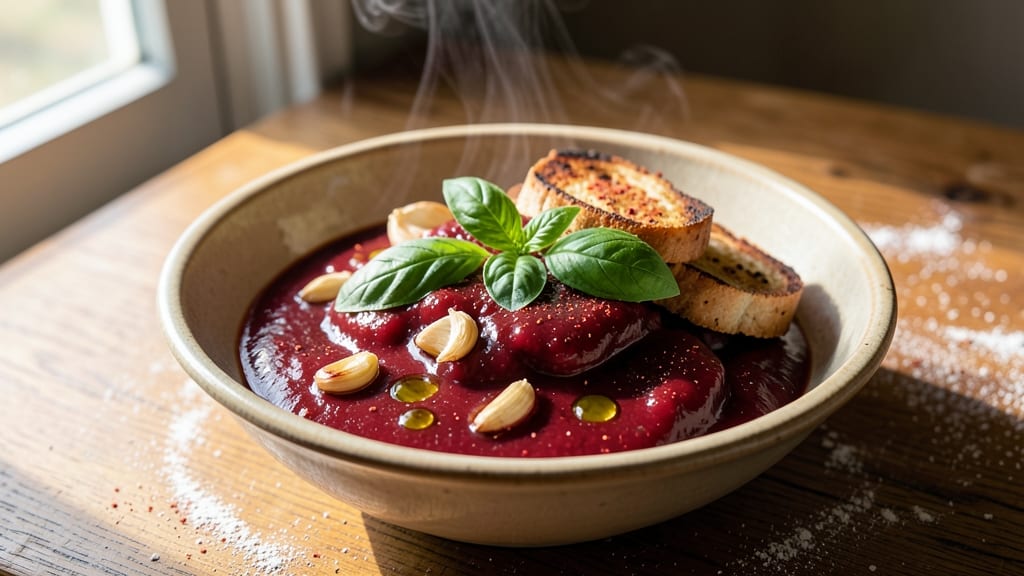
This all sauce recipe transforms simple ingredients into a versatile, restaurant-quality sauce that elevates everything from grilled meats to roasted vegetables. The secret lies in a balanced blend of tangy, savory, and slightly sweet notes that adapt effortlessly to any dish.
Whether you're drizzling it over tacos, tossing it with pasta, or using it as a marinade, this sauce delivers bold flavor with minimal effort—no fancy techniques required.
The beauty of this recipe is its adaptability. A quick simmer of basic pantry staples—like tomato paste, vinegar, and spices—creates a rich, velvety base that can be customized with herbs, garlic, or even a splash of hot sauce.
It thickens just enough to cling to food without being gluey, making it perfect for dipping, glazing, or basting. The best part? It comes together in under 15 minutes and keeps well in the fridge for up to a week.
What sets this sauce apart is its versatility across cuisines. Use it as a tangy dipping sauce for fries, a glaze for grilled chicken, or a finishing touch for roasted vegetables.
The acidity brightens rich dishes, while the umami depth adds complexity. It’s the kind of sauce that turns a simple meal into something restaurant-worthy—without the fuss.
Once you master this recipe, you’ll find yourself reaching for it again and again. The ingredients are affordable, the method is foolproof, and the results are consistently impressive.
Store it in the fridge for quick use or freeze portions for later. Let’s get cooking—your taste buds (and leftovers) will thank you.
Ingredients for all sauce
Eleven pantry staples and fresh elements combine for a sauce that bridges cuisines and occasions.
| Ingredient | Amount | Notes |
|---|---|---|
| Tomato Paste 🍅 | ½ cup | High-quality, unsweetened preferred |
| Apple Cider Vinegar 🍏 | ½ cup | Bragg or organic preferred |
| Garlic Cloves 🧄 | 6 cloves | Freshly minced for optimal flavor |
| Extra-Virgin Olive Oil 🫒 | ½ cup | High-quality, fruity variety |
| Dried Oregano 🌿 | 1 tbsp | Mexican oregano preferred |
| Smoked Paprika 🌶️ | 1 tsp | For depth and smokiness |
| Ground Cumin 🌿 | 1 tsp | Toasted for enhanced aroma |
| Kosher Salt 🧂 | 1 ½ tsp | Diamond Crystal preferred |
| Black Peppercorns 🌶️ | ½ tsp | Freshly cracked for best flavor |
| Brown Sugar 🍯 | 1 tbsp | Light or dark preferred |
| Fresh Basil Leaves 🌿 | ¼ cup | Packed, stems removed |
The foundation begins with tomato paste—opt for high-quality, unsweetened from Whole Foods or Trader Joe's for the deepest flavor. Apple cider vinegar adds the essential tang; Bragg or organic brands ensure a clean, bright acidity without overpowering. Fresh garlic is non-negotiable here—six cloves, minced, infuse the sauce with aromatic depth. For the olive oil, California Avocado or Colavita brands deliver the fruity notes that elevate rather than overpower. Mexican oregano and smoked paprika from Penzeys or bulk bins provide that authentic, slightly smoky complexity that separates this from generic sauces.
No fresh basil? Dried basil at one-third the amount works in a pinch, though texture and vibrancy suffer. Substitute red wine vinegar for apple cider vinegar if needed, though the flavor profile shifts slightly. Brown sugar can be swapped for maple syrup for a more refined sweetness, though it alters the caramelization during simmering. For a spicier kick, add ½ tsp cayenne or 1 tsp hot sauce—Tabasco or Cholula are ideal. The sauce's versatility allows these adjustments without compromising its core balance, making it adaptable to any pantry's contents.
This sauce thickens as it cools, so stir in 1-2 tbsp water if it becomes too viscous. Store in an airtight glass jar in the fridge for up to 1 week, where flavors deepen over time. For longer storage, freeze in ice cube trays—thaw and reheat gently for best texture. The sauce's umami-rich base makes it ideal for marinades, dipping, or finishing, so portion accordingly. A little goes a long way, especially when drizzled over grilled dishes.
Why You'll Love This Recipe
- Pantry Magic: I swear by this sauce because it lives in my cupboard—not the fridge. A splash of apple cider vinegar and a spoonful of tomato paste transform basic ingredients into something that tastes like it simmered all day. No fancy shopping trips, just what you already have.
- Garlic-Kissed Umami: That first whiff of garlic sizzling in olive oil? It’s the moment this sauce becomes ridiculously good. The vinegar cuts through the richness, while the oregano adds this earthy warmth that makes it taste like a restaurant dish. Honestly, I’ve compared it to store-bought—this wins every time.
- Weeknight Swiss Army: Slap it on grilled chicken, toss it with pasta, or drizzle it over roasted veggies. It’s my go-to for lazy nights when I don’t want to think, just feed everyone. The best part? It’s the same base, so I never get bored.
- Leftovers That Don’t Suck: Make a big batch, store it in the fridge, and it keeps for days. No weird textures, no sad flavors—just pure, reliable taste that works just as well reheated as it does fresh. Between us, this is how I survive busy weeks without takeout.
Step-by-step instructions for all sauce recipe
This versatile sauce builds layer upon layer of flavor—simple ingredients, precise technique, endless applications.
Bloom the Spices in Olive Oil
Heat the 0.5 cup extra-virgin olive oil in a medium saucepan over medium-low heat. Add the 1 tablespoon dried oregano, 1 teaspoon smoked paprika, 1 teaspoon ground cumin, and 1.5 teaspoons kosher salt. Stir constantly for 2-3 minutes until the spices release their essential oils—you'll notice the aroma deepen and the oil take on a subtle golden hue.
This blooming process unlocks maximum flavor from the spices. Watch carefully—if the oil starts to smoke, reduce the heat immediately. The spices should be fragrant but not burned. I like to press the spices gently against the pan with a wooden spoon to ensure even distribution and prevent scorching.
Add Garlic and Tomato Paste
Reduce the heat to low and add the 6 minced garlic cloves. Cook for 1-2 minutes until the garlic becomes translucent and just begins to turn golden—this prevents bitterness. Immediately add the 0.5 cup tomato paste and stir vigorously to incorporate completely.
The tomato paste will darken slightly as it melts into the oil, creating a rich, concentrated base. Here's the thing—don't rush this step. The garlic needs time to soften without burning, and the tomato paste needs to fully integrate. If you smell any sharp garlic notes, you've gone too long.
Deglaze with Vinegar and Sugar
Pour in the 0.5 cup apple cider vinegar and 1 tablespoon brown sugar, stirring constantly. The mixture will bubble vigorously as the vinegar reacts with the tomato paste. Let it simmer for 3-4 minutes until slightly thickened and reduced by about 25%. You'll notice the sauce darken and develop a glossy sheen.
This reduction step concentrates the flavors and balances the acidity. Taste occasionally—if it needs more depth, add a pinch of salt. The sugar helps caramelize the tomato paste slightly, adding complexity. If the sauce looks too thick, you can thin it later with water or broth.
Finish with Fresh Basil and Pepper
Remove the pan from heat and stir in the 0.25 cup chopped fresh basil leaves and 0.5 teaspoon freshly cracked black peppercorns. Let the mixture steep off heat for 5 minutes—this allows the basil to infuse its bright, herbal notes without wilting completely. The peppercorns will release their subtle heat and aroma.
For best results, use a mortar and pestle to crush the peppercorns lightly before adding. This releases their essential oils more effectively. The basil should be finely chopped to distribute evenly throughout the sauce. If you're using it immediately, strain out the basil stems for a smoother texture.
Adjust Consistency and Store Properly
Return the sauce to low heat if needed to reach your desired consistency. For a thicker sauce, simmer uncovered for 2-3 more minutes until slightly reduced. For a thinner drizzling consistency, whisk in 1-2 tablespoons water at a time until smooth.
Transfer to a clean jar and let cool completely before sealing. This sauce keeps for up to 2 weeks refrigerated or 3 months frozen. The flavors actually deepen over time, making it perfect for batch cooking. When reheating, warm gently over low heat—never boil—to preserve its delicate balance of flavors.
Pro Tips For Making All Sauce
- Bloom the Garlic First: I learned this the hard way—when you toss raw garlic cloves into olive oil and tomato paste, they burn before they even soften. Instead, sauté the minced garlic in oil alone for 30 seconds until it smells fragrant but isn’t golden. Then add the tomato paste, and you’ll avoid that bitter, charred taste that ruins everything.
- Use Real Vinegar: Skip the cheap white vinegar—apple cider vinegar’s depth actually matters here. The acidity cuts through the richness of the olive oil, but the subtle fruit notes make the sauce taste less like "cooking" and more like "restaurant quality." (Yes, even if you’re impatient like me, this isn’t the step to rush.)
- Simmer Low and Slow: After adding vinegar and oregano, let the sauce bubble gently for at least 10 minutes. I used to crank the heat to speed things up, but that turns the tomato paste into a gluey mess. Keep it at a bare simmer—you’re developing flavor, not cooking it fast.
- Toast the Oregano: Sounds weird, but it works: dry-toast the dried oregano in the empty pan for 30 seconds before adding oil. It deepens the flavor without overpowering, and the aroma wakes up the whole sauce. (Your future self will thank you—trust me.)
Best sauces and condiments for this dish
Taco Night Game-Changer
This sauce transforms taco night from ordinary to extraordinary. Toss ½ cup with warm tortillas before assembling for a flavor-packed wrap. Or drizzle over shredded chicken or beef and top with avocado, cotija cheese, and cilantro.
The smoky paprika and cumin pair perfectly with Mexican flavors, while the vinegar brightens the richness. 🌶️
Grilled Meat Glaze
Brush this sauce onto chicken, pork, or steak during the last 5-8 minutes of grilling for a caramelized crust. The apple cider vinegar tenderizes the meat while the spices create a beautiful bark.
I love using it on ribeye steaks or grilled salmon—just 2-3 tablespoons per side works perfectly. The sauce's balance of sweet and tangy keeps it from being overpowering.
Pasta Sauce Upgrade
Toss ¼ cup with cooked pasta and toss with cherry tomatoes, mozzarella, and fresh basil for an instant Italian-inspired dish. The acidity cuts through the richness of the cheese, while the tomato paste adds depth.
For extra protein, stir in grilled shrimp or white beans. This sauce works equally well with spaghetti, penne, or farfalle—just adjust the amount based on your pasta's size.
Vegetable Roasting Sauce
Toss roasted Brussels sprouts, sweet potatoes, or asparagus with 2 tablespoons of this sauce before roasting. The vinegar tenderizes the vegetables while the spices add complexity. Roast at 400°F for 20-25 minutes until caramelized.
The sauce's umami richness makes even simple roasted veggies feel gourmet. I especially love it on caramelized cauliflower with a sprinkle of feta cheese.
Dipping Sauce Essential
Serve this sauce warm or at room temperature as a dipping sauce for fries, mozzarella sticks, or spring rolls. The balance of sweet, tangy, and smoky makes it universally appealing. For extra richness, stir in 1 tablespoon sour cream or Greek yogurt before serving.
It's also fantastic with homemade onion rings or crispy Brussels sprouts. Keep a jar on hand for spontaneous snack time!
Marinade Magic
Use this sauce as a marinade for chicken, fish, or tofu—just add 1 tablespoon olive oil and let it sit for 30 minutes to 2 hours. The acidity tenderizes while the spices infuse flavor.
For extra depth, add 1 teaspoon soy sauce or fish sauce if using with seafood. I love marinating boneless chicken thighs in this for 1 hour before grilling—it stays juicy and packed with flavor. 🍗
Nutrition facts
Frequently asked questions
Can I make this sauce without fresh basil?
If you don't have fresh basil, use 1 teaspoon dried basil instead. For the best flavor, toast the dried basil in a dry pan for 30 seconds to enhance its aroma before adding it to the sauce. The texture will be slightly different, but the herbal notes remain intact.
How do I adjust the thickness of the sauce?
For a thicker sauce, simmer it uncovered for 2-3 additional minutes to reduce the liquid. If it's too thick, whisk in 1 tablespoon water or broth at a time until you reach your desired consistency. The sauce naturally thickens as it cools, so adjust while it's still warm.
Can I use this sauce as a marinade?
Yes! This sauce makes an excellent marinade for chicken, fish, or tofu. Add 1 tablespoon olive oil to help distribute the flavors and prevent sticking. Marinate for 30 minutes to 2 hours—the acidity in the vinegar helps tenderize the protein while the spices infuse flavor. For seafood, add 1 teaspoon soy sauce or fish sauce for extra depth.
What if I don't have apple cider vinegar?
Substitute with red wine vinegar or white vinegar, though the flavor profile will shift slightly. For a more balanced taste, use ½ cup vinegar plus 1 teaspoon lemon juice to mimic the brightness of apple cider vinegar. The sauce will still be delicious—just slightly different in acidity.
How long can I store this sauce, and does it get better over time?
This sauce keeps for up to 2 weeks refrigerated in an airtight container. The flavors actually deepen and improve over time, making it perfect for batch cooking. For longer storage, freeze in ice cube trays—thaw and reheat gently over low heat to preserve texture. Never boil frozen sauce, as it can break down the delicate balance of flavors.