
Sauces & Condiments
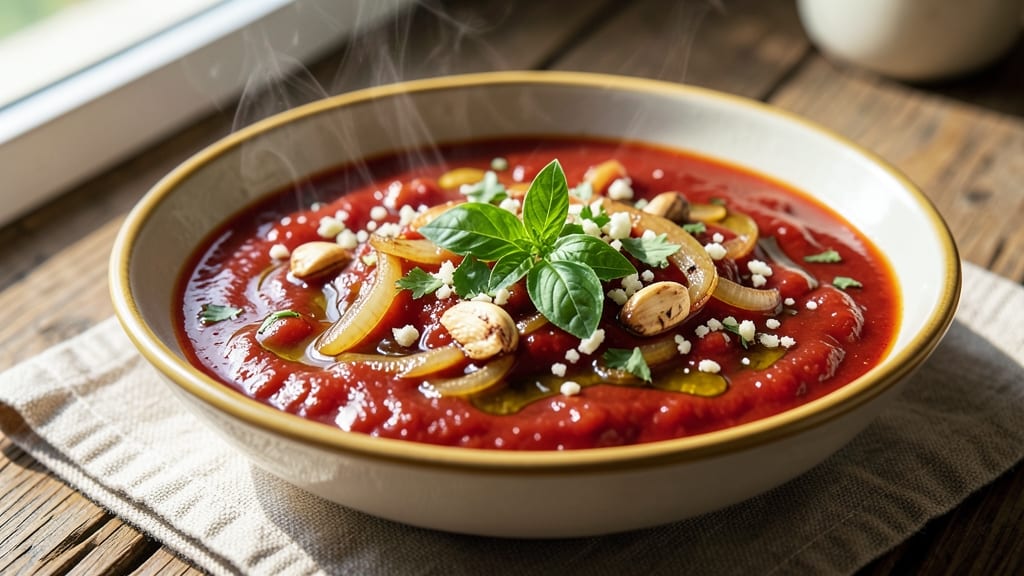
This all-purpose sauce recipe transforms any meal with its effortless adaptability—whether you're drizzling over pasta, tossing with roasted vegetables, or elevating grilled meats.
The secret lies in its balanced foundation of tomato, garlic, and herbs, which creates a rich, velvety base that absorbs flavors while remaining versatile enough for countless dishes. No single-purpose sauce in your pantry will ever be this indispensable again.
The beauty of this sauce is its simplicity: just 10 minutes of prep and 20 minutes of simmering yield a batch that keeps beautifully in the fridge for up to a week.
It starts with a classic tomato base but flexes to complement Italian, Mexican, or even Asian-inspired dishes with minimal adjustments. The key is the slow reduction, which intensifies flavors without overpowering the dish you're serving it with.
What makes this sauce truly revolutionary is its adaptability—it works as a marinade, a finishing drizzle, or the star of a bowl. Add a splash of cream for richness, a pinch of chili flakes for heat, or fresh herbs for brightness.
The possibilities are endless, and the results are consistently restaurant-quality without the fuss. Once you master this, you'll wonder how you ever relied on store-bought versions.
Perfect for meal preppers, busy weeknights, or anyone tired of limited-use sauces, this recipe is your culinary Swiss Army knife. Store it in the fridge for up to a week or freeze for months, ready to elevate any dish with just a spoonful.
Let's get cooking—your pantry (and taste buds) will thank you.
Ingredients for all purpose sauce
Ten simple ingredients that become the backbone of your cooking—versatile, flavorful, and endlessly adaptable.
| Ingredient | Amount | Notes |
|---|---|---|
| Extra-Virgin Olive Oil 🫒 | ½ cup | High-quality, fruity variety preferred |
| Yellow Onion 🧅 | 1 whole | Diced finely for even distribution |
| Garlic Cloves 🧄 | 4 cloves | Peeled and minced for aromatic depth |
| Canned San Marzano Tomato Sauce 🍅 | 2 cups | High-quality, no added salt |
| Fresh Basil Leaves 🌿 | ½ cup | Packed, stems removed for vibrant flavor |
| Fresh Parsley Leaves 🌿 | ¼ cup | Chopped, for bright freshness |
| Dried Oregano 🍃 | 1 tsp | Mediterranean variety for authentic taste |
| Red Pepper Flakes 🌶️ | ½ tsp | Adjust for desired heat level |
| Diamond Crystal Kosher Salt 🧂 | 1 ½ tsp | Fine grain for even seasoning |
| Freshly Ground Black Pepper 🌶️ | ½ tsp | Freshly cracked for optimal flavor |
The olive oil sets the foundation here—look for extra-virgin with a fruity, peppery finish (like California Avocado Ranch or Bertolli). San Marzano tomatoes are non-negotiable for that sweet, rich flavor—avoid the generic canned sauce aisle. Fresh basil and parsley are worth the splurge; farmers markets often have better quality than grocery stores. If you can't find fresh basil, dried oregano at half the amount works in a pinch, but nothing beats the real thing. The onion and garlic should be fresh—yellow onions with crisp edges and garlic cloves that smell pungent when peeled.
No San Marzano tomatoes? Crushed tomatoes in a high-quality jar (like Muir Glen) work beautifully. Swap fresh herbs for dried basil and parsley at one-third the amount, but taste as you go—dried can be more potent. Running low on olive oil? Avocado oil has a similar neutral profile. For a deeper umami punch, add 1 tbsp soy sauce or a splash of fish sauce (though this makes it non-vegetarian). The red pepper flakes can be omitted entirely if you prefer no heat, or boosted to 1 tsp for a spicy kick. Always taste before finishing with salt—Diamond Crystal dissolves more easily than table salt, so adjust accordingly.
This sauce keeps beautifully—1 week in the fridge or 3 months in the freezer. For freezing, portion into ice cube trays and transfer to a bag; thaw as needed. The flavors actually deepen over time, so make a big batch and use it throughout the week. If the sauce thickens too much when reheating, just add 1-2 tbsp water or broth and stir. The beauty of this recipe is its flexibility—double the batch for meal prep, or halve it for a quick weeknight dinner. Every spoonful is a testament to how simple ingredients can create something extraordinary.
Why You'll Love This Recipe
- Pantry Magic: I swear by this—no fresh tomatoes, no fancy techniques. Just chop one onion, crush a few garlic cloves, and toss in that jar of San Marzano. It’s the kind of sauce where the ingredients do all the work for you.
- Garlic-Basil Bomb: That first sizzle of olive oil hitting the garlic? Pure flavor payoff. The San Marzano’s sweetness balances the sharpness, and fresh basil—even a handful—turns it from good to "I need more" in seconds.
- Weeknight Swiss Army: Dinner with friends? A lazy Sunday? This sauce works over pasta, as a marinade, or even as a pizza base. I’ve used it for everything from grilled chicken to toasted bread—it’s my culinary chameleon.
- Leftovers That Don’t Suck: Make a big batch, store it for up to five days, and still taste like you slaved over it. (Between us, I’ve reheated this sauce so many times I’ve lost count—it’s that good.) Plus, San Marzano is cheap, so you’re not breaking the bank.
Step-by-step instructions for all-purpose sauce
This sauce builds layer upon layer of flavor—simple ingredients, precise technique, endless possibilities.
Sauté Onion and Garlic Until Translucent
Heat the 0.5 cup extra-virgin olive oil in a medium saucepan over medium-low heat. Add the 1 whole yellow onion, diced finely, and cook for 8-10 minutes until the onions soften and become translucent. You'll see them transform from pale to slightly golden at the edges.
Here's the thing—if the onions start to brown too quickly, reduce the heat slightly. You want them tender and sweet, not crispy. About 2 minutes before the onions are done, add the 4 cloves garlic cloves, minced. Stir them in and cook for just 30 seconds—garlic burns in a flash, and you want that aromatic depth without bitterness.
Add Tomato Sauce and Seasonings
Pour in the 2 cups canned San Marzano tomato sauce and stir to combine with the onions and garlic. Bring the mixture to a gentle simmer over medium heat. Once simmering, add the 1.5 tsp diamond crystal kosher salt, 0.5 tsp freshly ground black pepper, 1 tsp dried oregano, and 0.5 tsp red pepper flakes. Stir well to distribute the seasonings evenly.
Let the sauce simmer uncovered for 10-12 minutes. You'll notice the sauce thicken slightly as the moisture evaporates, and the flavors meld together. This is where the magic happens—the tomato sauce develops a deeper, more complex taste. If it gets too thick too quickly, add a splash of water to loosen it.
Incorporate Fresh Herbs for Brightness
Reduce the heat to low and stir in the 0.5 cup fresh basil leaves and 0.25 cup fresh parsley leaves, chopped. The basil adds a vibrant, slightly sweet note, while the parsley brings a fresh, bright finish. Let the sauce simmer gently for another 3-5 minutes—just enough time for the herbs to release their flavors without turning bitter.
Taste the sauce and adjust the seasoning if needed. You might want to add a pinch more salt or a dash of red pepper flakes for extra heat. The sauce should be well-balanced—savory from the tomato, aromatic from the garlic and oregano, and bright from the fresh herbs. This is your all-purpose foundation, so get it right now.
Simmer to Desired Consistency
For a thicker sauce, continue simmering uncovered for 5-10 minutes until it reaches your preferred consistency. You'll know it's ready when it coats the back of a spoon smoothly. If you prefer a thinner sauce, skip this step or add a splash of water or broth to loosen it.
Here's what I do next: I like to taste the sauce again after simmering. Sometimes, the flavors deepen even more as the sauce reduces. If it needs a little extra brightness, add a squeeze of lemon juice or a pinch of sugar to balance the acidity. Once you're happy with the flavor and texture, remove the sauce from heat and let it rest for 5 minutes—this allows the flavors to settle and the sauce to thicken slightly more.
Pro Tips For Making All Purpose Sauce
- Sweat, Don’t Burn: DESCRIPTION: The onion should glisten like a wet marble, not turn to ash. Cook it on medium-low with a splash of water if it sticks—just enough to loosen it without drowning it. I learned this the hard way when my sauce tasted like charred paper instead of Italian comfort.
- Crush Garlic, Don’t Mince: DESCRIPTION: Smash those cloves with the flat side of your knife first—it releases more flavor without turning bitter. Skip the food processor unless you’re okay with a paste that tastes like garlic oil. (And yes, even if you’re impatient like me.)
- Simmer, Not Boil: DESCRIPTION: A rolling boil turns your San Marzano sauce into watery mush. Keep it at a gentle simmer—tiny bubbles, occasional swirls—so the tomatoes break down slowly and deepen in flavor. Trust me, your future self will notice the difference.
- Tear Basil, Don’t Chop: DESCRIPTION: Rough it up between your fingers—whole leaves float, chopped ones sink and turn to sludge. Add them at the very end so they stay vibrant, not a sad, mushy afterthought. (Pro move: Reserve a few for garnish if you’re feeling fancy.)
Common mistakes when making your all purpose sauce
Over-Simmering the Sauce
One of the biggest mistakes is letting your sauce simmer too long, which can turn it bitter or overly thick. I’ve seen this happen when people leave it unattended—what starts as a rich, balanced sauce can quickly become a concentrated, one-dimensional paste.
The key is to monitor it closely after the 10-12 minute initial simmer. If you’re aiming for a thicker consistency, reduce the heat to low and stir occasionally, but never let it boil vigorously. 🔥
Skipping the Fresh Herbs
Fresh basil and parsley aren’t just garnishes—they’re flavor anchors that brighten the sauce and prevent it from tasting flat. I’ve made this sauce without fresh herbs (using only dried), and while it’s still edible, it lacks that vibrant finish.
If you’re short on time, at least add 1 tbsp chopped fresh parsley—it makes a noticeable difference. The herbs release their oils when simmered gently, so don’t rush this step.
Ignoring the Resting Time
After simmering, the sauce needs 5 minutes off the heat to thicken naturally. Skipping this step can leave your sauce watery or unevenly textured. I’ve learned this the hard way—once, I poured the sauce directly over pasta, and it separated into a thin, runny mess.
Let it rest, and you’ll thank yourself when it clings beautifully to your dish.
Using Low-Quality Tomato Sauce
The quality of your tomato base makes or breaks the sauce. Cheap canned sauces with added salt or preservatives will make your sauce taste flat or overly salty. Invest in San Marzano tomatoes—they’re sweeter, smoother, and less acidic, which is why they’re the gold standard.
If you can’t find them, Muir Glen crushed tomatoes are a solid alternative. Trust me, your taste buds will notice the difference. 🍅
Over-Salting Early
Adding all the salt at once can make your sauce taste bland later, especially if you’re reducing it further. Instead, add half the salt upfront and taste as you go. You can always add more, but you can’t easily remove excess salt.
I like to taste the sauce after the initial 10-minute simmer and adjust then—this way, you’re accounting for how the flavors will develop.
Burning the Garlic
Garlic burns in seconds, and once it does, it turns bitter and ruins the entire sauce. The trick is to add it only 30 seconds before the onions are done and stir constantly. If you smell a sharp, acrid aroma, your garlic is overcooked.
Freshly minced garlic should sizzle gently and release its aroma without darkening. This is one of those small details that makes a huge difference in the final flavor. ✨
Nutrition facts
Frequently asked questions
Can I make this sauce without fresh herbs?
Yes, but your sauce will taste less vibrant. Use ½ teaspoon dried basil and ½ teaspoon dried parsley instead of fresh. For best results, add the dried herbs with the tomato sauce and simmer for 5 minutes to let their flavors meld. If you're short on time, at least add 1 tablespoon fresh parsley at the end for brightness.
How can I adjust this sauce for different cuisines?
This versatile base works globally! For Mexican dishes, add 1 teaspoon cumin and ½ teaspoon smoked paprika. For Asian-inspired flavors, swap the tomato sauce for 2 cups coconut milk and add 1 tablespoon soy sauce and 1 teaspoon ginger. The key is adjusting the seasonings while keeping the same simmering technique.
Can I use this sauce as a marinade?
Use it as-is for chicken or fish, or thin it with ¼ cup olive oil for meatier proteins like beef. Marinate for 2-4 hours (or overnight for tougher cuts). The tomato base tenderizes while the herbs add flavor. Always reserve some sauce to use as a finishing drizzle after cooking.
Why did my sauce turn out too thick?
This happens when simmered too long or with high heat. For next time, reduce heat to low after the initial 10-minute simmer and stir occasionally. To fix it now, whisk in 1-2 tablespoons water or broth while warm. The sauce should coat the back of a spoon smoothly without being gluey.
How can I make this sauce dairy-free?
This recipe is already dairy-free! For extra richness, stir in 2 tablespoons nutritional yeast or ¼ cup coconut cream at the end. The tomato base provides natural creaminess without dairy. Just avoid adding cream or butter variations that might appear in other recipes.