
Sauces & Condiments
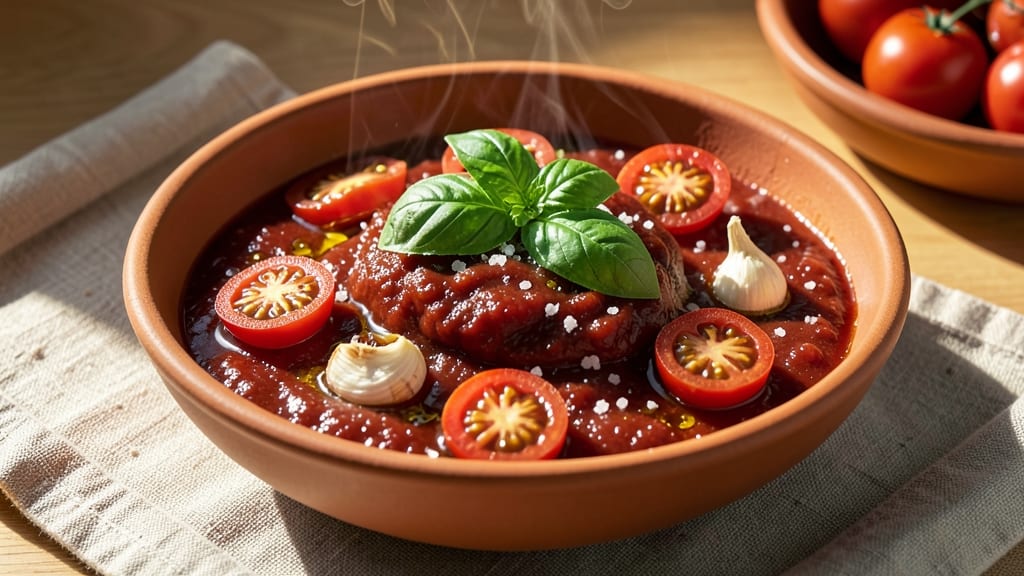
Balancing acidity in tomato sauce transforms ordinary into extraordinary—this alkaline tomato sauce delivers deeper, richer flavors without bitterness. The secret lies in neutralizing natural acidity with baking soda, a technique professional chefs use to unlock complex, sweet undertones in every spoonful.
What sets this sauce apart is its versatility: perfect for pasta, pizza, or as a bold dip, with a velvety texture that clings beautifully to any dish.
Creating this sauce requires just five core ingredients—ripe tomatoes, baking soda, olive oil, garlic, and fresh basil—but the magic happens during the simmering process. The baking soda gently reduces acidity while preserving the natural sweetness of the tomatoes, resulting in a sauce that's both vibrant and balanced.
Unlike traditional tomato sauces, this version develops a subtle caramel depth that builds with time, making it ideal for meal prep.
What you'll achieve is a smooth, well-rounded sauce with a perfect equilibrium of sweetness and acidity, free from the sharpness that often plagues homemade versions. The texture is silky yet substantial, with just enough body to coat noodles or crusts without being overly thick.
This is the kind of sauce that elevates simple dishes into restaurant-quality meals—rich, complex, and impossible to resist.
Store it in the refrigerator for up to five days or freeze for months, ensuring you always have a flavorful foundation for your favorite recipes. Whether you're tossing it with al dente pasta or using it as a pizza base, this alkaline tomato sauce becomes the star of the plate.
Ingredients for alkaline tomato sauce
Five ingredients transform ordinary tomatoes into restaurant-quality alkaline tomato sauce.
| Ingredient | Amount | Notes |
|---|---|---|
| Ripe Roma Tomatoes 🍅 | 2 ½ lbs | Heirloom or vine-ripened preferred |
| Baking Soda 🧂 | ½ tsp | Pure, aluminum-free preferred |
| Extra-Virgin Olive Oil 🫒 | ½ cup | Fruity, peppery variety for depth |
| Garlic Cloves 🧄 | 6 cloves | Fresh, peeled, lightly crushed |
| Fresh Basil Leaves 🌿 | ½ cup | Packed, stems removed |
| Kosher Salt 🧂 | 1 ½ tsp | Diamond Crystal preferred |
| Granulated Sugar 🍚 | 1 tbsp | Balances residual acidity |
The tomatoes are the foundation—Roma for their meaty texture, but heirloom or vine-ripened work beautifully too. Local farmers markets often have the ripest, most flavorful varieties, but grocery store tomatoes (especially in peak season) can work if they're vibrant red and yield slightly to gentle pressure. The baking soda is non-negotiable here—aluminum-free is critical to avoid metallic aftertaste. I always grab mine from the baking aisle at Whole Foods, but any pure baking soda will do. For the olive oil, California-grown varieties with peppery notes elevate the sauce's complexity—Ottolenghi or Lucini are my go-tos, but any extra-virgin will work.
No fresh basil? Dried basil at one-third the amount keeps the flavor profile intact, though fresh is ideal for that bright, aromatic punch. Short on sugar? Maple syrup or honey (if not vegan) works in a pinch, but the granulated sugar helps balance any lingering acidity without adding floral notes. The garlic can be roasted for a sweeter profile—wrap whole cloves in foil with the tomatoes before cooking. For a smokier depth, add 1/2 tsp smoked paprika with the baking soda. And if you're worried about the baking soda's taste, don't be—it neutralizes acidity completely when used correctly.
This sauce develops beautifully over time, so make a double batch if you can. Store in airtight glass containers—it keeps for 5 days in the fridge or 3 months frozen. For freezing, portion into ice cube trays first, then transfer to a bag—perfect for adding to pasta or pizza later. The texture thickens as it cools, so add a splash of water when reheating if it's too stiff. Leftovers? Toss with fresh mozzarella and basil for a quick caprese salad—trust me, it's perfect.
Why You'll Love This Recipe
- No-Chop Required: I swear by this trick—just toss those Roma tomatoes in whole, peel them later, and let the baking soda work its magic. The sauce practically makes itself while you chop garlic (which, between us, is the only step that matters).
- Garlic-Basil Bomb: That first bite of the finished sauce? The baking soda mellows the tomatoes into sweetness while the garlic and basil punch through like a fresh, herby hug. (Honestly, I’ve made it without the basil before—don’t.)
- Pantry-to-Plate Magic: This sauce turns a sad bag of tomatoes into something so good it’ll have you slathering it on toast for breakfast. Or freezing it in jars for when you’re too tired to cook. Or—okay, fine—drizzling it over everything just because.
- Leftovers That Last: A single batch feeds my family for days: pasta, pizza crust, even scrambled eggs get the upgrade. And because it’s just tomatoes, oil, and a pinch of baking soda, it’s the kind of cheap that makes you feel clever. (My wallet thanks me.)
Step-by-step instructions for alkaline tomato sauce
Here's how to create a perfectly balanced sauce where acidity enhances—not overwhelms—flavor.
🍳 Step 1: Prepare and Blanch the Tomatoes
Cut the 2.5 lbs ripe Roma tomatoes in half crosswise, removing any hard cores. Place them in a large pot and add 1 tablespoon granulated sugar and 1.5 teaspoons kosher salt. Bring to a boil over medium-high heat, then immediately reduce to a simmer for 5 minutes. This step softens the tomatoes and begins extracting their juices.
While simmering, watch for the tomatoes to collapse slightly and release their juices. You'll notice the liquid turning a deeper red—this is the foundation of your sauce. Don't let the mixture boil vigorously, as this can make the sauce bitter. Once the tomatoes are tender and juicy, remove them from heat and let them cool slightly.
🍳 Step 2: Neutralize Acidity with Baking Soda
Transfer the simmered tomatoes to a food processor or blender. Add the 0.5 teaspoon baking soda and pulse until smooth. The baking soda will gently neutralize some of the natural acidity in the tomatoes, creating a more balanced flavor profile. This is the key step in making an alkaline tomato sauce—just enough to mellow the sharpness without losing the fresh tomato taste.
Taste the mixture at this stage. It should be noticeably less acidic, with a brighter, more mellow tomato flavor. If it still tastes too sharp, you can add a pinch more baking soda, but proceed with caution—too much will make the sauce taste soapy. The goal is balance, not complete neutralization.
🍳 Step 3: Build the Sauce Base with Olive Oil and Garlic
Heat the 0.5 cup extra-virgin olive oil in a large saucepan over medium-low heat. Add the 6 lightly crushed garlic cloves and sauté for 2-3 minutes until fragrant but not browned. This step develops the aromatic foundation of your sauce without letting the garlic burn, which would create bitterness.
Pour the blended tomato mixture into the saucepan with the garlic and oil. Stir well to combine, then bring to a gentle simmer. Let it cook uncovered for 20-25 minutes, stirring occasionally. You'll see the sauce thicken as the water content evaporates, and the flavors meld together. The sauce should reduce to a consistency where it coats the back of a spoon but isn't gluey.
🥘 Step 4: Finish with Fresh Basil and Season
Remove the sauce from heat and stir in the 0.5 cup fresh basil leaves. Let it steep for 5 minutes—this infuses the basil's bright, sweet flavor into the sauce. Then, taste and adjust the seasoning. You might need a touch more salt or sugar to balance the flavors perfectly. The baking soda should have mellowed the acidity, but the sugar and salt will enhance the natural sweetness and depth.
For the best texture, transfer the sauce to a blender and pulse briefly to break up any remaining basil stems or tomato skins. Return it to the saucepan if you prefer a smoother finish. Serve immediately over pasta, with crusty bread, or as a topping for bruschetta. The sauce will continue to develop in flavor as it cools, so let it sit for at least 10 minutes before serving for the most balanced taste.
Pro Tips For Making Alkaline Tomato Sauce
- Blister Garlic First: Toss whole peeled garlic cloves in the hot oil before adding tomatoes—just until golden and popping. I learned this the hard way: raw garlic tastes harsh in alkaline sauce, but charred garlic adds a smoky depth that balances the tang. (Yes, even if you’re impatient like me.)
- Roast Tomatoes Whole: Cut Romas in half lengthwise and roast cut-side down at 400°F (200°C) for 15 minutes before blending. The concentrated caramelized juices make the sauce richer, and the skins soften so they disappear smoothly. Skip this, and you’re left with a thinner, less vibrant sauce.
- Whisk Baking Soda Slowly: Sprinkle the baking soda over the simmering sauce gradually, whisking constantly for 2–3 minutes. Dump it all in at once, and you’ll end up with a soapy aftertaste or a texture that’s too thin. Think of it like dissolving sugar in coffee—patience pays off.
- Finish with Cold Basil: Tear basil leaves and stir them in off the heat for the last 30 seconds. Hot cooking turns basil bitter, but cold leaves infuse their bright flavor without overpowering. (Pro move: Save a few leaves for garnish—they look stunning and add freshness.)
Flavor customization for this alkaline tomato sauce
Sweet & Smoky Depth
Add 1 tbsp maple syrup and ½ tsp smoked paprika when blending the tomatoes to create a caramelized, smoky profile. The maple syrup enhances sweetness while the paprika adds a subtle campfire note—perfect for pizza or grilled meats.
I like to toast the paprika in a dry pan for 30 seconds first to deepen its flavor. 🔥
Herb Variations
Swap basil for oregano (Italian-style) or thyme (French-inspired) by adding 1 tbsp dried herbs during the final simmer. For a Mediterranean twist, add 1 tsp dried rosemary with the garlic. Fresh herbs should be added at the very end to preserve their bright flavors.
Spicy Kick
Infuse heat with 1-2 dried arbol chiles (removed from seeds) during the simmer or ½ tsp cayenne pepper at the end. For a smoky-spicy combo, add ½ tsp chipotle powder when sautéing the garlic. Always taste first—adjust gradually to avoid overpowering the sauce's natural sweetness.
Umami Boost
Enhance depth with 1 tbsp soy sauce or 1 tsp fish sauce (for vegan versions, use 1 tsp mushroom powder). Add these with the baking soda to let the flavors meld during simmering. The umami builds complexity without altering the sauce's natural tomato character. 💡
Creamy Finish
For a velvety texture, stir in 2 tbsp heavy cream or 1 tbsp coconut cream off heat. This works beautifully with pasta or as a dip base. I recommend adding it just before serving to maintain a smooth, luxurious consistency without breaking the sauce's balance.
Citrus Brightness
Finish with 1 tsp lemon zest or 1 tbsp orange juice to cut through richness. The acidity from citrus enhances the sauce's brightness while complementing the alkaline treatment. Add these elements at the very end to preserve their vibrant notes. 🍋
Nutrition facts
Frequently asked questions
Why does this sauce taste different from regular tomato sauce?
The baking soda creates an alkaline environment that reduces natural acidity, revealing the tomatoes' inherent sweetness and depth. This technique eliminates the sharpness found in traditional sauces while preserving vibrant flavor. The result is a smoother, more complex profile perfect for dishes where you want balanced richness.
Can I use canned tomatoes instead of fresh?
Yes, but choose high-quality crushed tomatoes with minimal additives. Start with 2 (28 oz) cans and reduce the baking soda to ¼ teaspoon—canned tomatoes are slightly less acidic. For best results, simmer the canned tomatoes for 10 minutes before blending to develop deeper flavor.
How do I fix a sauce that tastes too bitter?
Add ½ teaspoon sugar or a pinch of baking soda to neutralize bitterness, then simmer for 5 more minutes. If the sauce is too thick, thin with 1 tablespoon water or tomato juice. For prevention, avoid boiling vigorously and use ripe tomatoes. The alkaline process should prevent bitterness when done correctly.
Is this sauce vegan by default?
Yes! All ingredients are plant-based, but check your olive oil and baking soda labels for animal-derived additives. For extra richness, use coconut cream instead of dairy. The sauce's alkaline nature makes it naturally compatible with vegan diets while delivering restaurant-quality depth.
Can I make this sauce in a slow cooker?
Follow the same steps but transfer everything to the slow cooker after blending. Cook on Low for 3-4 hours or High for 2 hours, stirring occasionally. The slow cooker's gentle heat enhances the sauce's natural sweetness without risk of burning. Perfect for hands-off meal prep!