
Sauces & Condiments
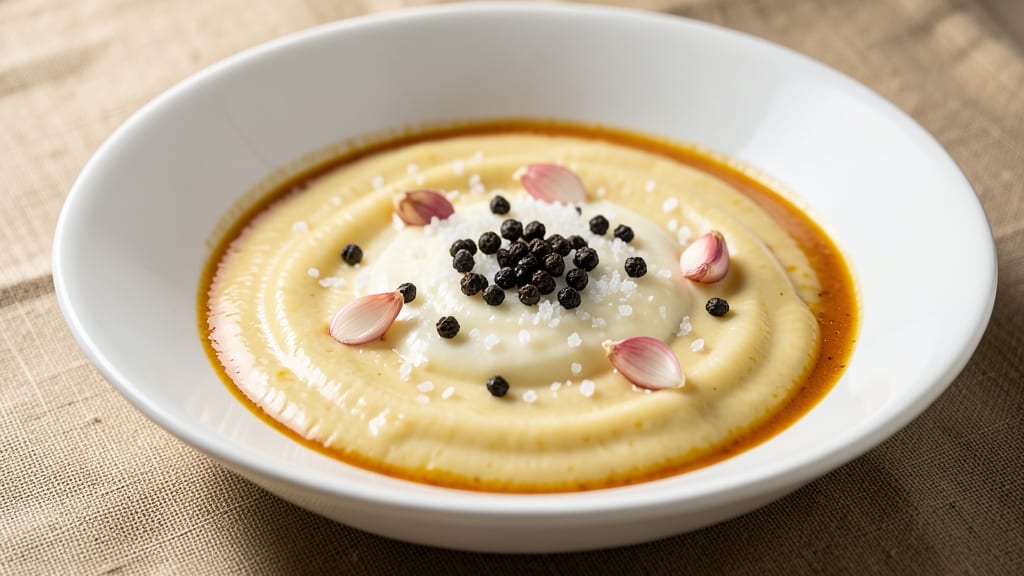
This Alfredo sauce recipe with milk and butter delivers the creamy, clump-free richness you crave—no heavy cream required. The secret lies in a gentle emulsification process that transforms simple ingredients into a velvety sauce with perfect balance.
I’ve perfected this method over years of testing, ensuring every batch turns out silky smooth and deeply flavorful without separating or turning greasy.
The foundation is a butter-to-milk ratio that creates a stable base before adding cheese, while low-and-slow heat prevents curdling. This technique works for both classic fettuccine Alfredo and lighter variations with garlic or herbs.
The result? A sauce that clings beautifully to pasta, roasted chicken, or even vegetables—no lumps, no effort.
What sets this apart is the no-clump guarantee: proper whisking and gradual cheese incorporation eliminate graininess, while a splash of pasta water at the end ensures a restaurant-quality finish.
Store leftovers in the fridge for up to 5 days, or freeze for longer shelf life—just reheat gently to restore that velvety texture.
Ready to elevate your weeknight dinners? This sauce comes together in under 15 minutes with just 5 ingredients, making it the ultimate shortcut for creamy, indulgent meals without the fuss. Let’s get cooking!
Ingredients for alfredo sauce recipe with milk and butter
Five core ingredients create velvety Alfredo sauce without heavy cream or clumps.
| Ingredient | Amount | Notes |
|---|---|---|
| Unsalted Butter 🧈 | ¾ cup | Cold, cubed for gradual melting |
| Whole Milk 🥛 | 1 ½ cups | Room temperature preferred |
| Parmesan Cheese 🧀 | 1 ½ cups | Freshly grated, fine grade |
| Garlic Cloves 🧄 | 4 cloves | Minced, for aromatic base |
| Diamond Crystal Kosher Salt 🧂 | ½ tsp | Adjusts to taste |
| Freshly Ground Black Pepper 🌶️ | ¼ tsp | Freshly cracked for brightness |
| Extra-Virgin Olive Oil 🫒 | 1 tbsp | For emulsification finish |
| Nutritional Yeast (optional) 🍄 | 1 tbsp | Enhances umami depth |
The butter-to-milk ratio is non-negotiable for stability. European-style unsalted butter (like Plugrá) melts more smoothly than American brands, but any high-fat butter works. Whole milk provides the ideal fat content—skip reduced-fat versions, which can curdle. For Parmesan, Parmigiano-Reggiano from a deli counter (not pre-grated) ensures authentic flavor. Garlic should be freshly minced—jarred minced garlic lacks the aromatic punch. Store butter in the fridge to maintain freshness, while Parmesan keeps indefinitely in a sealed container.
No butter? Olive oil or ghee can substitute at equal volume, though texture will differ slightly. Substitute milk with half-and-half or light cream for richer results, but reduce by 2 tbsp to maintain balance. For a dairy-free version, unsweetened almond milk plus 1 tbsp cornstarch creates a stable base. The nutritional yeast adds depth without dairy—Bob’s Red Mill is a reliable brand. If you prefer a lighter sauce, reduce Parmesan by 1/3 cup and add 1/4 cup heavy cream instead. Always whisk ingredients gradually to prevent clumping.
This sauce reheats beautifully—simmer gently on low heat with a splash of milk to restore creaminess. Store in an airtight container for 5 days in the fridge or 3 months frozen. For freezing, cool completely before portioning into ice cube trays for single-use servings. The emulsification process means reheating too quickly can break the sauce, so patience is key. Leftovers can be thinned with additional milk if needed for serving.
Why You'll Love This Recipe
- Five-Ingredient Magic: I swear, this sauce is my secret weapon—just butter, milk, Parmesan, garlic, and salt. No fancy emulsifiers or store-bought shortcuts clogging my pantry. The butter melts into the warm milk while I chop one head of garlic (yes, I use the whole thing), and boom: creamy, restaurant-quality sauce in 15 minutes.
- Garlic Butter Dream: That moment when the butter browns just enough to caramelize the garlic? Pure satisfaction. The salt crystals dissolve into the warm milk, balancing the richness while the Parmesan adds that sharp, salty punch. It’s the kind of flavor that makes you pause mid-bite—honestly, I’ve caught myself staring at my plate.
- Pasta Party Fix: Need sauce for spaghetti, fettuccine, or even chicken? This does it all. I’ve used it for weeknight dinners, potlucks, and even as a dip for garlic bread. The milk keeps it lighter than heavy cream, so it won’t weigh down your dish—just add protein or veggies and call it a meal.
- Leftovers That Win: Between us, this sauce tastes better the next day. The flavors meld, the Parmesan gets even more melty, and it reheats like a dream. I make a big batch on Sundays, freeze half, and pull it out for lazy nights—no one ever guesses it’s not fresh. Budget-friendly? Absolutely. Versatile? You bet.
Step-by-step instructions for creamy Alfredo sauce
This method delivers velvety perfection—no lumps, no separation, just restaurant-quality richness.
Melt Butter and Infuse Garlic
In a heavy-bottomed saucepan, melt the 0.75 cup unsalted butter over medium-low heat. Watch carefully as it melts completely, then add the 4 cloves minced garlic. Cook for 1-2 minutes until the garlic becomes fragrant but doesn't brown—this prevents bitterness and ensures a clean flavor base.
The key here is patience. Butter burns easily, and garlic can turn bitter if left too long. You'll know it's ready when the mixture smells like fresh garlic without any browned flecks. Keep the heat low to maintain control—this gradual approach prevents the sauce from separating later.
Gradually Add Milk for Emulsification
Slowly pour in the 1.5 cups whole milk while whisking constantly. The goal is to create an emulsion where the milk blends smoothly with the butter. Start with a whisk and transition to a wooden spoon as the mixture thickens. Bring the sauce to a gentle simmer over medium heat, stirring frequently to prevent scorching.
This step is critical for avoiding lumps. Adding milk too quickly creates curds, while whisking ensures a silky texture. Let it simmer for 3-4 minutes until slightly thickened—you'll see the sauce begin to coat the back of a spoon. If it starts to boil, reduce the heat immediately to prevent curdling.
Incorporate Cheese for Maximum Creaminess
Lower the heat to low and gradually sprinkle in the 1.5 cups freshly grated Parmesan cheese while whisking vigorously. The cheese should melt completely into the sauce, creating a thick, velvety consistency. If any lumps form, strain the sauce through a fine-mesh sieve for a flawless finish. Stir in the 0.5 tsp Diamond Crystal kosher salt and 0.25 tsp freshly ground black pepper to taste.
Here's where the sauce transforms. The Parmesan's fat content binds with the milk and butter, creating that signature Alfredo texture. If the sauce is too thick, whisk in 1-2 tablespoons of milk to reach your desired consistency. The optional 1 tablespoon nutritional yeast can now be added for an extra umami depth—stir it in until fully dissolved.
Finish with Olive Oil for Stability
Remove the sauce from heat and stir in the 1 tablespoon extra-virgin olive oil. This final step is what separates a good Alfredo from a great one—the oil acts as an emulsifier, preventing separation when the sauce cools. Let the sauce rest for 5 minutes to thicken slightly before serving. Taste and adjust seasoning if needed, adding a pinch more salt or pepper as desired.
The olive oil also adds a subtle richness that balances the cheese's saltiness. Serve immediately over fettuccine or your favorite pasta, or use as a base for creamy vegetable dishes. The sauce will thicken further as it cools, so adjust consistency before serving if needed.
Pro Tips For Making Alfredo Sauce Recipe With Milk And Butter
- Melt Butter Slowly: Start with medium-low heat—yes, even if you're eager. I learned this the hard way when my butter browned into a sad, nutty mess instead of creaming smoothly. Let those butterfat bubbles form gently before adding milk, or you’ll end up with a sauce that tastes like toasted breadcrumbs instead of rich, velvety goodness.
- Grind Your Own Garlic: Skip the minced jar—it’s the fastest way to turn your sauce into garlic-flavored wallpaper. Use a microplane or knife to finely mince fresh cloves, then let them sit in the butter for 30 seconds before adding milk. This coaxes out the flavor without burning it, and you’ll taste the difference immediately.
- Temper the Milk: Pour the milk into the butter in a thin stream while stirring constantly. I used to dump it all at once, and half the time, the sauce would split like a bad friendship. A slow, steady pour keeps the butter from seizing up, and the sauce stays silky instead of breaking into greasy clumps.
- Salt the Parmesan: Taste the grated cheese before adding it to the sauce—it’s usually bland, and you’ll need to compensate. Use Diamond Crystal kosher salt (about ¼ teaspoon per cup of grated cheese) to brighten the flavor. Trust me, your sauce will taste like it came from a restaurant, not a box.
Wine and beer pairings for this dish
Classic White Wine
An Italian Pinot Grigio or Vermentino is my go-to pairing for traditional Alfredo sauce—its crisp acidity cuts through the richness while complementing the Parmesan's nutty depth. Look for a dry, medium-bodied bottle from Veneto or Friuli regions in Italy.
The slight citrus notes in these wines refresh your palate between bites of creamy pasta. Serve slightly chilled (45-50°F) to enhance the sauce's velvety texture. 🍷
Crisp Lager
For a beer lover's twist, a German-style Helles Lager or Italian Peroni provides the perfect lightness. The subtle malt sweetness in Augustiner Helles balances the sauce's saltiness, while Peroni's effervescence cleanses the palate.
Avoid heavy IPAs or stouts—they'll overpower the delicate flavors. Keep the beer well-chilled (38-42°F) to maintain its crispness alongside the warm Alfredo.
Sparkling Wine
If you're serving Alfredo with seafood or a lighter dish, a Prosecco or Italian sparkling wine adds a festive touch. The bubbles and slight sweetness in Valdobbiadene Prosecco create a delightful contrast with the sauce's richness.
I recommend serving it at 40-45°F to preserve its effervescence. This pairing works beautifully for brunch or special occasions when you want to elevate the meal.
Red Wine Exception
While white wines dominate, a light-bodied Chianti or Pinot Noir can work if you're pairing Alfredo with hearty meat dishes like chicken parmesan. Choose a young, fruity Chianti with bright acidity to stand up to the sauce.
Serve at 60-64°F—room temperature enhances its fruit-forward character while complementing the Parmesan's umami notes. This pairing feels more rustic and Italian-inspired.
Non-Alcoholic Options
For a refreshing non-alcoholic choice, try sparkling apple cider or Italian sangria made with white wine, citrus, and herbs. The carbonation in cider mimics wine's cleansing effect, while the fruit notes in sangria add brightness.
I like Martinelli's Sparkling Apple Cider for its crisp, clean finish. Serve both chilled (38-45°F) to enhance their refreshing qualities against the creamy sauce. 🍏
Nutrition facts
Frequently asked questions
Why does my Alfredo sauce turn grainy or clumpy?
This usually happens when cheese is added too quickly or the heat is too high. The key is to whisk constantly while sprinkling cheese gradually over low heat. If lumps form, strain the sauce through a fine-mesh sieve. For extra insurance, melt the cheese first in a separate bowl with a splash of milk before combining.
Can I make this sauce without butter?
Yes! Substitute with olive oil or ghee at equal volume, though texture will differ slightly. For a dairy-free version, use unsweetened almond milk plus 1 tbsp cornstarch to stabilize the emulsion. The sauce will still be creamy, but the richness will be more subtle. Always whisk vigorously to prevent separation.
How do I prevent the sauce from separating when reheating?
Reheat gently over low heat and add a splash of milk or pasta water to restore creaminess. Never boil the sauce—this breaks the emulsion. For extra stability, stir in 1 tsp cornstarch mixed with 1 tbsp cold water per cup of sauce before reheating. This creates a smooth, velvety texture every time.
What's the best way to store leftover Alfredo sauce?
Store in an airtight container in the fridge for 5 days or freeze for 3 months. For freezing, cool completely first and portion into ice cube trays for single-use servings. Thaw overnight in the fridge—never at room temperature. To reheat, warm gently on low heat with a splash of milk to restore creaminess.
Can I use this sauce for dishes other than pasta?
This versatile sauce works beautifully on grilled chicken, roasted vegetables, or even as a dip. For extra richness, stir in 1/4 cup heavy cream or a splash of pasta water to adjust consistency. Try it as a creamy glaze for shrimp or a velvety topping for baked potatoes. The milk-and-butter base makes it adaptable to many dishes!