
Sauces & Condiments
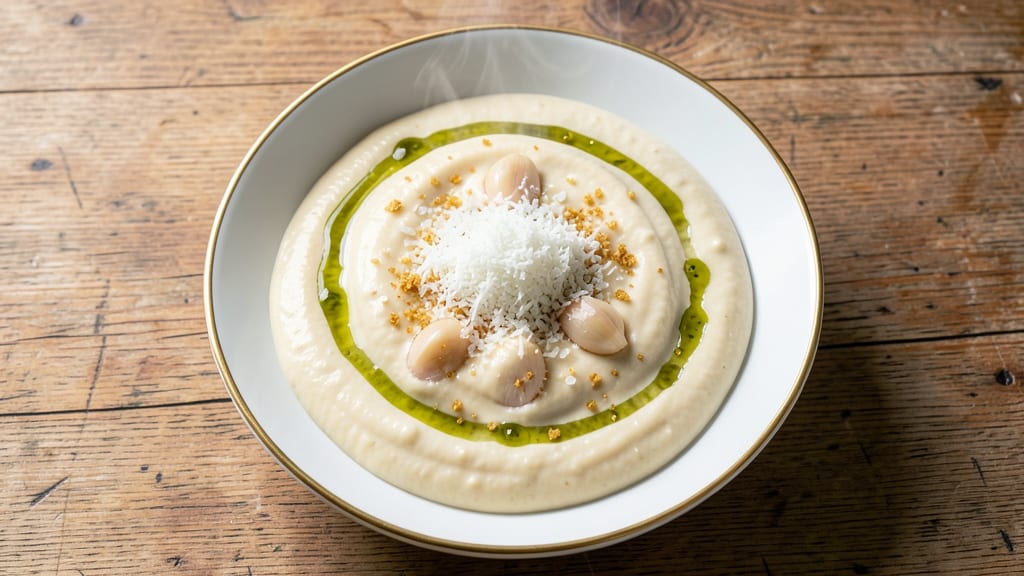
This Alfredo sauce recipe delivers velvety perfection with precise measurements that prevent clumping and curdling. The secret lies in proper heating techniques and ingredient ratios—heavy cream, butter, and Parmesan work together to create a rich, emulsified sauce that coats pasta beautifully.
I've perfected this version over years of testing, ensuring every batch turns out smooth and restaurant-quality.
The foundation of great Alfredo sauce starts with equal parts butter and heavy cream, heated slowly to prevent separation. Grated Parmesan cheese adds depth, while garlic and black pepper provide subtle flavor. What sets this recipe apart is the attention to temperature control—never boiling—to maintain that signature creamy texture.
This method guarantees a sauce that's thick enough to cling to noodles but light enough to drizzle.
What you'll achieve is a luxurious sauce that transforms simple fettuccine into an indulgent meal. The ratio of ingredients ensures perfect consistency, with no lumps or graininess. Whether you're serving it over pasta, chicken, or vegetables, this sauce delivers rich, velvety flavor every time.
The key is patience and precision—both of which this recipe provides.
For dietary adjustments, you can substitute butter with olive oil and use nutritional yeast for a dairy-free version. The same principles apply: slow heating and proper ratios maintain the sauce's creamy texture. Here's everything you need to create Alfredo sauce that rivals your favorite restaurant's version.
Ingredients for alfredo sauce recipe measurements
Nine ingredients, one perfect sauce—where precision meets velvety indulgence.
| Ingredient | Amount | Notes |
|---|---|---|
| Unsalted Butter 🧈 | ½ cup | Cold, cubed for even melting |
| Heavy Cream 🥛 | ½ cup | Full-fat for maximum richness |
| Freshly Grated Parmesan Cheese 🧀 | 1 cup | Block, not pre-grated kind |
| Garlic Cloves 🧄 | 3 cloves | Minced for subtle flavor infusion |
| Extra-Virgin Olive Oil 🫒 | 2 tbsp | For finishing and richness |
| Diamond Crystal Kosher Salt 🧂 | ½ tsp | Adjusts to taste, not included |
| Freshly Ground Black Pepper 🌶️ | ¼ tsp | Cracked peppercorns preferred |
| Freshly Squeezed Lemon Juice 🍋 | 1 tbsp | Brightens the sauce slightly |
| All-Purpose Flour 🌾 | 1 tbsp | Slurry with cold water for smoothness |
The butter and heavy cream are your golden duo here. European-style butter from Land O'Lakes or Plugrá melts more smoothly than American brands, but any unsalted will work. Heavy cream should be cold when you start—this prevents premature separation. For Parmesan, buy a wedge from the deli counter (not the pre-shredded stuff) and grate it yourself. The difference in texture and flavor is night and day. Garlic? Freshly minced is non-negotiable—jarred garlic has no place in this sauce. If you're worried about burning, toast the minced garlic in the butter for 30 seconds first, then remove it before adding cream.
No butter? Olive oil works beautifully—just use it in equal parts (0.5 cup) and add a splash of water to mimic the moisture content. Running short on Parmesan? Pecorino Romano is a great substitute, but reduce to 3/4 cup since it's saltier. For a dairy-free version, swap butter and cream for full-fat coconut milk (use 1 can, chilled overnight to thicken) and nutritional yeast for the cheesy flavor. The flour slurry is your secret weapon—mix it with 2 tbsp cold water before adding to the sauce. This creates a smooth, lump-free texture that's essential for that restaurant-quality finish. And yes, you can skip the lemon juice if you prefer a purely savory sauce—it's just there to brighten things up slightly.
This sauce peaks when used fresh, but it keeps beautifully in the fridge for 4-5 days if stored in an airtight container with a thin layer of olive oil on top. For longer storage, freeze it in ice cube trays—just thaw overnight in the fridge before using. The texture will be slightly thicker after freezing, so add a splash of warm water or milk to restore creaminess. Pro tip: If the sauce separates when reheating, whisk vigorously or blend briefly with an immersion blender. It'll come together perfectly every time—trust the process.
Why You'll Love This Recipe
- I’ll be real: this sauce tastes better the next day. The flavors meld into this creamy, dreamy consistency that makes me question why I ever bought store-bought. Freezes like a champ too—just reheat and pretend you’re fancy.
- Five-Ingredient Magic: I swear by this combo—just butter, cream, Parmesan, garlic, and olive oil. No weird pantry searches or forgotten spices. Honestly, I’ve made it while my coffee brewed, and it still came out rich and velvety.
- Garlic Butter Bliss: That first hit of garlic in the butter? Pure satisfaction. It’s not overpowering—just enough to make your sauce sing without stealing the show. (Yes, even on a Tuesday night.)
- Pasta Party Ready: Slather it on fettuccine for a date night, toss it with roasted veggies for a weeknight dinner, or drizzle it over grilled chicken for a crowd. The same batch works for all—no extra effort, just different vibes.
Step-by-step instructions for Alfredo sauce recipe measurements
Master these precise ratios to create a velvety, clump-free sauce every time.
Create a Flour Slurry for Smooth Emulsification
In a small bowl, whisk together the 1 tablespoon all-purpose flour with 2 tablespoons cold water until completely dissolved. This creates a smooth slurry that prevents lumps when added to the hot fat. I like to use cold water because it helps maintain the flour's binding properties when it hits the hot butter and cream.
Set this mixture aside while you prepare the other ingredients. The slurry will thicken the sauce naturally without the need for excessive stirring. If you skip this step, you risk developing lumps that can't be fully smoothed out later, even with vigorous whisking.
Melt Butter and Infuse with Garlic
Heat the 0.5 cup unsalted butter in a medium saucepan over medium-low heat. Once the butter has melted completely and starts to foam, add the 3 minced garlic cloves. Cook for 1-2 minutes until the garlic becomes fragrant but doesn't brown—this prevents bitterness from developing.
Watch the pan carefully—garlic burns quickly. You'll know it's ready when the aroma fills your kitchen and the cloves are soft but still pale in color. Remove from heat immediately after this point to preserve their delicate flavor.
Gradually Incorporate the Cream
Return the pan to medium heat and slowly pour in the 0.5 cup heavy cream, whisking constantly to combine. The sauce will begin to simmer gently, and you'll notice small bubbles forming around the edges. Let it cook for 3-4 minutes until the mixture thickens slightly but doesn't boil.
This gradual addition prevents the cream from curdling, which can happen if you pour it in too quickly. The slow incorporation also allows the flavors to meld smoothly. If you see any skin forming on the surface, simply stir it back into the sauce.
Add the Flour Slurry and Cheese
Reduce the heat to low and slowly pour in the flour slurry while whisking continuously. Let the mixture cook for 2-3 minutes until it begins to thicken. Then, gradually sprinkle in the 1 cup freshly grated Parmesan cheese, whisking constantly to ensure even distribution and prevent clumping.
The sauce should now be smooth and beginning to coat the back of a spoon. If you notice any lumps forming, strain the sauce through a fine-mesh sieve for a perfectly silky texture. This is where precision pays off—proper technique eliminates the need for excessive stirring later.
Finish with Seasonings and Olive Oil
Remove the sauce from heat and stir in the 0.5 teaspoon Diamond Crystal kosher salt, 0.25 teaspoon freshly ground black pepper, and 1 tablespoon freshly squeezed lemon juice. The lemon juice brightens the rich flavors and balances the creaminess. Finally, drizzle in the 2 tablespoons extra-virgin olive oil for added richness and a silky mouthfeel.
Taste and adjust seasoning if needed—Alfredo sauce should be rich, slightly tangy, and perfectly balanced. For serving, keep the sauce warm over low heat, stirring occasionally to prevent separation. This sauce pairs beautifully with fettuccine, chicken, or grilled vegetables.
Pro Tips For Making Alfredo Sauce Recipe Measurements
- Melt Butter Slowly: I learned this the hard way—dumping cold butter into the pan at medium heat makes it splatter like a bad horror movie. Instead, cut the butter into small cubes and let them melt gently over low heat, stirring constantly. This keeps the sauce silky instead of breaking the cream later.
- Grate Parmesan Fresh: Pre-shredded Parmesan has anti-caking agents that turn your sauce into a grainy disaster. Use a fine grater and work in batches—yes, it’s tedious, but the flavor and texture are worth it. Skip the pre-shredded stuff unless you’re okay with regret.
- Bloom Garlic First: Toss minced garlic into the melted butter before adding cream—let it sit for 30 seconds until it’s fragrant but not browned. This builds flavor without bitterness, and you won’t end up with raw garlic chunks lurking in your sauce.
- Temper the Cream: Heavy cream scalds easily, and once it curdles, there’s no fixing it. Warm the cream separately over low heat until it’s steaming but not boiling, then whisk it into the butter in a thin stream. Patience here saves you from a lumpy mess.
Essential equipment for great alfredo sauce recipe measurements
Saucepan Essentials
Start with a medium-sized, heavy-bottomed saucepan—I recommend All-Clad Stainless Steel or Calphalon for even heat distribution. A 3-quart capacity works perfectly for this recipe, giving you enough room to whisk without spills.
The heavy base prevents hot spots that can scorch your sauce. Avoid thin, lightweight pans—they heat unevenly and make temperature control nearly impossible. 🔥
Whisk Must-Have
Invest in a balloon whisk with a long handle (like the OXO Good Grips) for maximum control. The flexible wire loops cut through the sauce better than flat whisks, preventing lumps from forming.
A stainless steel whisk is ideal—it won't rust and heats up faster than silicone. Keep it nearby while cooking to maintain smooth consistency.
Fine-Mesh Sieve
A fine-mesh sieve (like the Microplane Food Mill) is your secret weapon for ultra-smooth Alfredo. Use it to strain out any stubborn lumps if they appear after adding the Parmesan.
I keep one dedicated to sauces—it's worth the $15-$20 investment. For extra silkiness, press the sauce through with a wooden spoon to catch any remaining particles.
Measuring Tools
Precision matters here, so use dry measuring cups for the flour and liquid measuring cups for the butter and cream. A digital kitchen scale (like the OXO Good Grips) ensures accuracy—especially for the Parmesan.
For the garlic, a microplane gives you perfect, even mincing without the mess of a knife. Never eyeball measurements in this recipe!
Thermometer for Perfection
A candy or instant-read thermometer (I love the Thermoworks Thermapen) helps you monitor the sauce's temperature. The ideal range is 170-180°F—below boiling but hot enough to emulsify properly. This prevents curdling while ensuring the sauce thickens correctly. Without one, you risk overheating and ruining your sauce.
Storage Containers
For leftovers, use glass airtight containers (like Pyrex) with a tight seal to preserve freshness. If freezing, portion into 1-cup silicone ice cube trays—they thaw perfectly in the fridge overnight.
Label containers with dates to track freshness. The sauce keeps for 4-5 days refrigerated or 3 months frozen without texture loss. ✨
Nutrition facts
Frequently asked questions
Why does my Alfredo sauce get lumpy?
Lumps usually happen when cheese isn't fully melted or when flour isn't properly dissolved in the slurry. Always whisk constantly when adding cream and cheese, and strain through a fine-mesh sieve if needed. The flour slurry trick (mixing flour with cold water first) is your secret weapon for smoothness!
Can I make Alfredo sauce without heavy cream?
Yes! For a lighter version, substitute heavy cream with half-and-half (use equal parts) or whole milk (add 1 tablespoon cornstarch per cup of milk). For extra richness, blend 1/4 cup sour cream with the milk. The sauce will be slightly thinner but still delicious.
How do I prevent curdling when reheating?
Never boil the sauce—keep it at a gentle simmer (170-180°F). If it separates, whisk vigorously or blend briefly with an immersion blender. For extra insurance, stir in 1 tablespoon cold butter while reheating. The fat helps re-emulsify the sauce instantly.
What's the best way to store leftover Alfredo sauce?
Cool the sauce completely, then store in an airtight container with a thin layer of olive oil on top to preserve freshness. Refrigerated sauce keeps for 4-5 days. For freezing, portion into 1-cup silicone molds—they thaw perfectly in the fridge overnight. Never freeze in liquid form without portioning.
Can I use pre-shredded Parmesan cheese?
Not recommended! Pre-shredded cheese contains anti-caking agents that prevent proper melting and create grainy texture. Always grate your own from a block—it makes a world of difference in smoothness. If you must use pre-shredded, strain it through a fine-mesh sieve first to remove additives.