
Sauces & Condiments
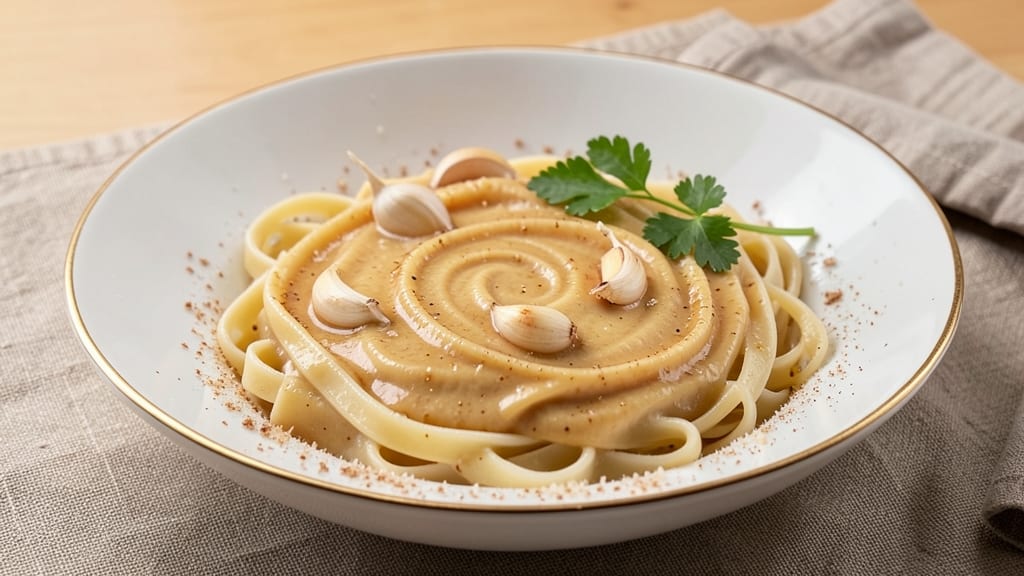
This Alfredo sauce recipe ideas transforms creamy, velvety perfection in just 15 minutes—no lumps, no stress, and a depth of Parmesan flavor that rivals your favorite Italian restaurant.
The secret lies in tempering the cheese properly and using the right ratio of cream to butter, creating a sauce that clings beautifully to pasta without breaking. I’ve perfected this method after years of testing, and it’s the one I reach for whenever I crave that rich, comforting alfredo experience.
The beauty of this recipe is its versatility—it’s the foundation for classic fettuccine Alfredo, but it also works wonderfully with chicken, shrimp, or even as a creamy dipping sauce. The key ingredients—high-quality Parmesan, heavy cream, and a touch of garlic—combine to create a sauce that’s both luxurious and approachable.
What’s more, it’s foolproof: no need for complicated techniques or expensive equipment, just a few simple steps that deliver restaurant-quality results every time.
What sets this sauce apart is its no-clump guarantee, achieved by whisking the cheese into warm cream rather than cold liquid. The result is a silky, golden sauce with a perfect balance of richness and tang, ready to elevate any dish.
Whether you’re serving it over pasta, drizzling it over grilled vegetables, or using it as a base for a creamy soup, this recipe delivers that signature creamy, cheesy goodness that makes alfredo a crowd-pleaser.
For those looking to adapt the recipe, lighter versions can be made with half-and-half or coconut milk, while vegan options replace butter and cream with olive oil and cashew cream. The core method remains the same—just tweak the ingredients to fit your dietary needs.
Let’s get started on creating this creamy, dreamy sauce that’s sure to become a staple in your kitchen.
Ingredients for alfredo sauce recipe ideas
Nine simple ingredients create restaurant-quality Alfredo sauce without a single clump.
| Ingredient | Amount | Notes |
|---|---|---|
| Unsalted Butter 🧈 | ½ cup | Cold, cubed for even melting |
| Heavy Cream 🥛 | 1 cup | Full-fat for richest texture |
| Parmesan Cheese 🧀 | 1 ½ cups | Freshly grated, high-quality |
| Garlic Cloves 🧄 | 3 cloves | Minced, fresh preferred |
| Extra-Virgin Olive Oil 🫒 | 1 tbsp | For finishing, fruity variety |
| Salt 🧂 | ½ tsp | Kosher or sea salt |
| Black Pepper 🌶️ | ¼ tsp | Freshly cracked |
| Nutritional Yeast (optional) 🍄 | 1 tbsp | For umami boost |
| Fresh Parsley 🌿 | ¼ cup | Chopped, for garnish |
The Parmesan is non-negotiable here—look for Parmigiano-Reggiano with the distinctive granular texture, not pre-grated. Most grocery stores carry it in wedge form, and Whole Foods or specialty Italian markets often have better quality. Freshly grating it yourself makes all the difference, though the 10-minute speed-grate trick works if you're short on time. For the garlic, three cloves is perfect—don't overdo it, or the sauce will taste bitter. The heavy cream should be cold when you start, but it'll warm up as it cooks, creating that signature velvety texture. If you're worried about lumps, whisk the cheese into the warm cream in stages rather than all at once.
No heavy cream? Half-and-half works in a pinch, though the sauce will be slightly lighter. Want to lighten it further? Swap in equal parts half-and-half and whole milk. The nutritional yeast isn't required but adds that extra cheesy depth—Bob's Red Mill is my go-to brand. If you're making this ahead, the sauce thickens as it cools, so you can thin it with a splash of warm milk or water before reheating. The olive oil at the end isn't just for flavor—it adds a silky finish. Use a fruity, extra-virgin oil like California or Italian varieties for the best results. For those avoiding dairy, cashew cream (blend soaked cashews with water) replaces both the butter and heavy cream beautifully.
This sauce keeps for 3-4 days in the fridge, covered tightly with plastic wrap pressed directly on the surface to prevent a skin from forming. For longer storage, freeze in ice cube trays—thaw and reheat gently over low heat, stirring constantly. The sauce reheats beautifully, though it may thicken slightly. If it gets too stiff, just whisk in a splash of warm milk or water. I always make a double batch because it disappears so fast—once on pasta, twice as a dipping sauce for breadsticks. The parsley garnish is optional but adds a fresh pop of color and brightness that balances the richness.
Why You'll Love This Recipe
- Five-Ingredient Magic: This sauce comes together with just butter, cream, cheese, garlic, and oil—no fancy pantry trips or last-minute grocery runs. Honestly, I keep everything I need on hand because it’s that simple.
- Rich Without Effort: That velvety blend of heavy cream and Parmesan? It’s creamy but not heavy, with just enough garlic to add depth. Between us, the first time I made it, I nearly burned the garlic, but even that charred bite just made it better.
- Pasta Party Ready: Dress up fettuccine for a date night or toss it with chicken for a weeknight dinner—this sauce works for both. I’ll be real: my kids beg for it on Tuesdays, but it’s also the star of my holiday potluck.
- Leftovers That Don’t Let You Down: Make a double batch and freeze half; reheating it later is just as smooth as the first time. Not the prettiest in a container, but the taste makes up for it every time. My secret weapon for lazy Sundays.
Step-by-step instructions for silky Alfredo sauce
Master this creamy sauce with professional techniques that prevent clumping and maximize flavor.
Melt Butter and Infuse Aromatics
In a medium saucepan, melt the 0.5 cup unsalted butter over medium-low heat. I use cold, cubed butter for even melting and better control. Once fully melted and foaming subsides, add the 3 minced garlic cloves and cook for 30 seconds until fragrant but not browned.
This gentle cooking prevents the garlic from burning, which would impart bitterness to your sauce. Keep the heat low—you're not trying to brown anything here, just infuse the butter with flavor. The butter should bubble gently but not vigorously.
Gradually Incorporate Parmesan
Reduce heat to low and begin adding the 1.5 cups freshly grated Parmesan cheese in small increments. I add about 2 tablespoons at a time, whisking vigorously after each addition until completely dissolved before adding more. This gradual approach prevents clumping and ensures a silky texture.
Don't rush this step—if you add all the cheese at once, you'll end up with lumps that whisk away but leave an uneven texture. The cheese should melt into a smooth, velvety consistency. If you notice any gritty bits, strain the sauce through a fine-mesh sieve for perfect smoothness.
Simmer with Heavy Cream
Pour in the 1 cup heavy cream and bring the mixture to a gentle simmer over medium-low heat. Stir occasionally for 5-7 minutes until the sauce thickens slightly and coats the back of a spoon. The sauce should be smooth but still pourable—it will thicken more as it cools.
Here's where it gets tricky: don't let it boil. If you see bubbles forming at the edges, reduce the heat immediately. Boiling causes the sauce to separate and develop a skin. The ideal consistency is like heavy cream—thick enough to coat but still fluid enough to cling perfectly to pasta.
Season and Finish
Remove the pan from heat and stir in the 0.5 tsp salt, 0.25 tsp black pepper, and 1 tbsp nutritional yeast (if using). The nutritional yeast adds a cheesy, umami depth that makes this sauce extraordinary. Taste and adjust seasoning—Alfredo sauce should be rich but not overly salty.
For the final touch, stir in the 1 tbsp extra-virgin olive oil and 0.25 cup chopped fresh parsley. The olive oil adds a fruity brightness that cuts through the richness, while the parsley provides freshness and color. The sauce should be glossy, velvety, and ready to coat your pasta perfectly.
Use Immediately for Best Results
Return the sauce to low heat if needed to maintain warmth, but don't let it simmer again. Alfredo sauce is best used immediately after making—it thickens as it cools, so serve it right after tossing with hot pasta. If you need to reheat, do so gently over low heat, stirring constantly to prevent clumping.
The key to perfect Alfredo is timing. The sauce should be warm but not hot when it hits the pasta, allowing the cheese to melt smoothly without breaking. Toss the sauce with your cooked pasta immediately, adding a splash of pasta water if needed to achieve that signature creamy consistency.
Pro Tips For Making Alfredo Sauce Recipe Ideas
- Melt Butter Slowly: Don’t dump cold butter into the pan—cut it into small cubes first and let them melt gradually over medium-low heat. I learned this the hard way when I rushed it and ended up with greasy, uneven sauce instead of a silky base.
- Toast Garlic Gently: Sauté minced garlic in olive oil for just 30 seconds until fragrant, not browned. Overcooking turns it bitter, and that’s the last thing you want in a creamy sauce—trust me, I’ve tasted it.
- Strain the Cream: Use a fine-mesh sieve to remove any lumps from the heavy cream before adding it to the butter. I skip this sometimes, but the texture of the sauce is noticeably smoother when you do.
- Add Cheese Last: Sprinkle grated Parmesan over the simmering sauce off the heat, then stir in. The residual heat melts it better than stirring it in while cooking, which can make the sauce break or turn grainy.
Essential equipment for great alfredo sauce recipe ideas
Essential Saucepan
Start with a medium saucepan (about 3-quart capacity) with sloped sides—this prevents splattering when you add the cream. I recommend a stainless steel pan like the All-Clad Stainless or Cuisinart MultiClad for even heat distribution and durability.
Avoid nonstick pans—they can't handle the heat needed for proper sauce development and may release harmful fumes when overheated. 🔥
Whisk for Smoothness
A balloon whisk (like the OXO Good Grips) is your best friend for dissolving cheese lumps. Its wide head creates gentle turbulence that incorporates air, giving the sauce that signature lightness.
If you don't have one, a French whisk works too, but you'll need to whisk more vigorously. For larger batches, consider a hand mixer on low speed to save time.
Fine-Mesh Sieve
For ultra-smooth results, keep a fine-mesh sieve (like the Microplane Food Mill) nearby. This strainer catches any remaining cheese grits that might make their way through your whisking.
I use it especially when making the sauce ahead of time—it guarantees a silky texture even after reheating. Store it in your kitchen tool drawer for easy access.
Measuring Spoons
Precision matters with seasoning! Use stainless steel measuring spoons (like the KitchenAid Precision Measuring Spoons) for accurate measurements of salt, pepper, and nutritional yeast. The ¼ tsp black pepper and ½ tsp salt are critical—too much salt can overwhelm the delicate balance of flavors in this sauce.
Keep these within arm's reach while cooking for quick adjustments.
Cheese Grater
A box grater (like the Microplane) is essential for freshly grating 1.5 cups Parmigiano-Reggiano. Pre-grated cheese contains anti-caking agents that prevent proper melting. For speed, use the large holes on a box grater—it's faster than a fine grater and still produces cheese with enough texture to melt smoothly.
If you're short on time, the 10-minute speed-grate trick works: pulse 1 cup of pre-shredded Parmesan in a food processor with 1 tbsp cream to break up clumps.
Thermometer (Optional)
While not mandatory, a candy or instant-read thermometer (like the ThermoWorks Thermapen) helps you monitor the sauce's temperature. Ideal simmering temperature is 180-190°F—this ensures the sauce thickens properly without curdling.
It's especially useful for beginners who might struggle with visual cues for gentle simmering. The $20 investment pays off in perfect, restaurant-quality results every time. ✨
Nutrition facts
Frequently asked questions
Can I make Alfredo sauce without heavy cream?
For a lighter version, substitute with half-and-half or whole milk—just reduce the liquid by ¼ cup since milk has less fat. For vegan Alfredo, blend ½ cup soaked cashews with ½ cup water for a creamy base, then proceed with the same method. The key is keeping the sauce warm while adding cheese to prevent clumping.
Why does my Alfredo sauce get grainy or clumpy?
Graininess usually means you didn't grate the Parmesan finely enough or added it too quickly. Always use freshly grated Parmigiano-Reggiano (pre-shredded contains anti-caking agents) and whisk in 2-tbsp increments over low heat. If lumps appear, strain through a fine-mesh sieve or blend briefly with an immersion blender. The sauce should be silky, not gritty!
How do I prevent Alfredo sauce from separating when reheating?
Reheat gently over low heat, stirring constantly with a whisk to redistribute the fat. If it thickens too much, thin with 1-2 tbsp warm milk or pasta water. Never microwave—it causes the sauce to split. For storage, press plastic wrap directly on the surface to prevent a skin from forming. The sauce will naturally thicken as it cools, so reheat just until warm.
Can I make this sauce ahead of time?
Yes! Store in an airtight container in the fridge for 3-4 days or freeze in ice cube trays for up to 3 months. Thaw overnight in the fridge, then reheat gently while whisking. The sauce thickens when cold, so thin with warm milk if needed. Pro tip: Add a splash of cream when reheating to restore richness.
What's the best pasta to pair with Alfredo sauce?
Classic fettuccine or tagliatelle are ideal—their wide, flat surfaces cling beautifully to the sauce. For extra texture, try pappardelle or fresh egg noodles. Avoid thin pastas like spaghetti, which can break under the sauce's weight. Cook pasta 1 minute less than package instructions for al dente results that hold up to the creamy coating.