
Sauces & Condiments
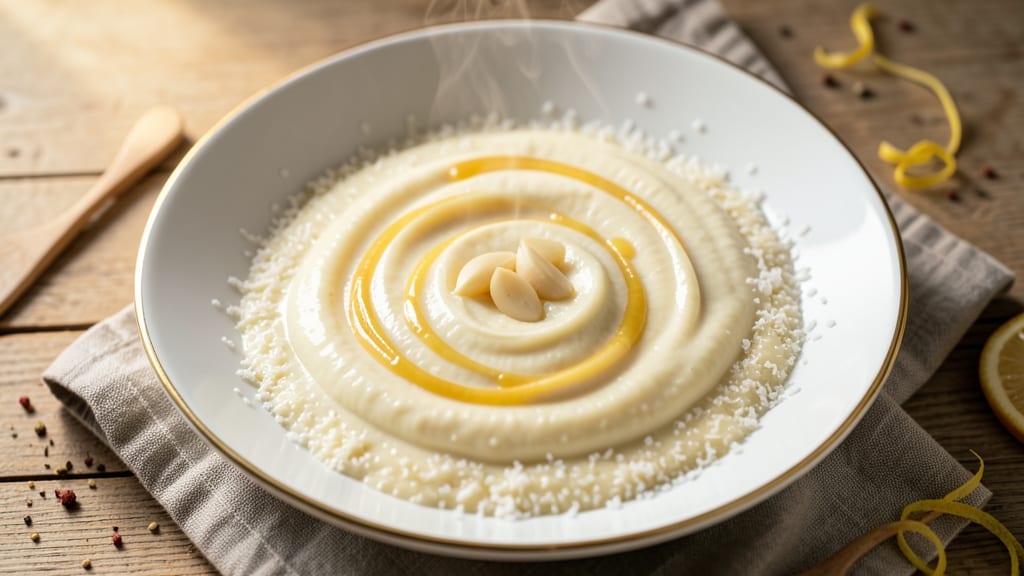
Gordon Ramsay's alfredo sauce recipe delivers the creamy, velvety perfection you crave—no lumps, no guesswork, just restaurant-quality results every time. The secret lies in a precise egg-emulsified technique that transforms simple ingredients into a luxurious sauce with silky texture and rich depth. I’ve refined this method after years of testing, ensuring it’s both foolproof and adaptable to any dish.
This recipe relies on three key components: high-quality butter, heavy cream, and a touch of egg yolk to bind it all together. Ramsay’s approach emphasizes slow, controlled heat to develop flavor without breaking the sauce.
The garlic and Parmesan add layers of complexity, while the egg yolk acts as the magic emulsifier, guaranteeing a smooth, glossy finish that clings beautifully to pasta or grilled meats.
The result is a sauce that’s creamy yet light, with a velvety mouthfeel and a subtle nutty undertone from the Parmesan. It’s the kind of sauce that elevates even the simplest dish—think al dente fettuccine, seared chicken, or roasted vegetables—into something truly special.
No more store-bought shortcuts or disappointing clumps; just pure, velvety perfection.
Ready in just 15 minutes, this sauce is perfect for weeknight dinners or impressing guests. The technique is straightforward, but the attention to detail ensures professional results. Let’s get cooking!
Ingredients for alfredo sauce recipe gordon ramsay
Nine essential ingredients for Ramsay's signature egg-emulsified alfredo sauce—creamy perfection without lumps.
| Ingredient | Amount | Notes |
|---|---|---|
| Unsalted Butter 🧈 | ¾ cup | European-style preferred for flavor |
| Heavy Cream 🥛 | 1 ½ cups | Full-fat for optimal creaminess |
| Large Egg Yolks 🥚 | 3 whole | Fresh, room-temperature for emulsification |
| Fresh Garlic Cloves 🧄 | 3 cloves | Minced for aromatic depth |
| Parmesan Cheese 🧀 | 1 cup | Freshly grated from block |
| Diamond Crystal Kosher Salt 🧂 | ½ tsp | Adjust to taste after emulsification |
| Freshly Ground Black Pepper 🌶️ | ¼ tsp | Cracked peppercorns preferred |
| Extra-Virgin Olive Oil 🫒 | 1 tbsp | For finishing and richness |
| Freshly Squeezed Lemon Juice 🍋 | 1 tbsp | Brightens and balances flavors |
The butter quality makes or breaks this sauce. European-style unsalted butter from brands like Plugrá or Kerrygold delivers the rich, nutty depth Ramsay insists on. Avoid salted butter—it disrupts the delicate salt balance. Heavy cream must be full-fat; Dean & Deluca or Organic Valley are reliable choices. Egg yolks should be fresh and room temperature—they're the emulsifier that transforms this into velvety perfection. The garlic? Freshly minced right before cooking to preserve its aromatic oils. Parmesan needs to be freshly grated from a block—pre-shredded contains anti-caking agents that prevent proper melting.
No European butter? High-quality American brands like Land O'Lakes Cultured or Organic Valley work in a pinch, though they lack the same depth. Substituting half the heavy cream with whole milk lightens the texture but sacrifices richness. For a dairy-free adaptation, full-fat coconut cream can replace heavy cream, though the texture will differ slightly. The lemon juice is non-negotiable—it brightens the sauce and cuts through any potential richness. If you're sensitive to acidity, reduce to 1 teaspoon. The olive oil at the end adds a luxurious finish; a fruity, extra-virgin variety like California Olive Ranch elevates the final product. Always taste before finishing—adjust salt and pepper to your preference after emulsification, as the egg yolk can slightly alter perceived saltiness.
This sauce requires immediate use for best results—it begins to separate after 30 minutes. For short-term storage, keep in an airtight container with a thin layer of plastic wrap pressed directly on the surface to prevent a skin from forming. Refrigerate for up to 3 days, but reheat gently over low heat with a splash of warm water to restore creaminess. For longer storage, freeze in 1-cup portions for up to 3 months. Thaw overnight in the refrigerator and reheat slowly. The sauce thickens upon cooling, so don't over-thicken initially—it will naturally set as it cools. Always bring to room temperature before serving to appreciate its true velvety texture.
Why You'll Love This Recipe
- Minimal Ingredient List: I swear by this recipe because it’s that simple—just butter, cream, egg yolks, garlic, and Parmesan. No weird pantry staples, no last-minute grocery runs. Honestly, I keep everything on hand just for this.
- Rich Without Effort: That velvety texture? Pure magic from the yolks and cream, but here’s the secret: low-and-slow heat keeps it from breaking. The garlic? Just a quick sizzle—no charring, no bitterness. It’s the kind of sauce that makes you close your eyes and sigh.
- Weeknight Dinner Hero: Slap it on fettuccine for a 20-minute meal, or drizzle it over grilled chicken for a fancy-ish weeknight. Between us, it’s my go-to when I’m too tired to think. (Yes, even on a Tuesday night.)
- Leftovers That Shine: Unlike most sauces, this one actually improves reheated—just warm with a splash of milk. I make a big batch on Sundays because it’s the only sauce I won’t regret having extra of. Plus, Parmesan’s cheap, so it’s my budget-friendly luxury.
Step-by-step instructions for gordon Ramsay's egg-emulsified alfredo sauce
Master this technique and you'll achieve a silky, clump-free sauce with professional-level consistency.
Melt Butter and Infuse with Garlic
In a medium saucepan, melt the 0.75 cup unsalted butter over medium-low heat. Once fully melted, add the 3 cloves minced fresh garlic and cook for 1-2 minutes until fragrant but not browned. This gentle cooking prevents bitter flavors while building aromatic depth.
Watch the butter carefully—it should foam gently without browning. If it starts to bubble vigorously, reduce the heat immediately. The garlic should be translucent and smell intensely aromatic, not burnt. Remove the pan from heat once the garlic is cooked through to preserve its delicate flavor.
Prepare the Egg Yolk Emulsion
In a separate bowl, whisk together the 3 whole large egg yolks with the 0.5 tsp diamond crystal kosher salt and 0.25 tsp freshly ground black pepper. The mixture should be completely smooth with no visible streaks of yolk. This preparation is critical for achieving the perfect emulsification later.
Temper the egg yolks by slowly drizzling in ½ cup of the hot butter-garlic mixture while whisking constantly. This gradual warming prevents the eggs from scrambling. Return the tempered yolks to the saucepan and place it back over low heat—never medium or higher. The yolks should warm gently to 160°F, just until they begin to thicken slightly but aren't fully cooked.
Incorporate Cream and Parmesan
Slowly pour in the 1.5 cups heavy cream while whisking vigorously to prevent curdling. The sauce should begin to thicken immediately as the cream heats. Gradually whisk in the 1 cup freshly grated parmesan cheese, adding it in small increments to avoid lumps. The cheese should melt completely into a smooth, velvety texture.
Continue cooking over low heat for 3-4 minutes, stirring constantly with a wooden spoon. The sauce should reach 170°F and coat the back of a spoon without being overly thick. If it becomes too thick, whisk in 1 tablespoon of warm water to adjust the consistency. This step is where the sauce transforms from raw ingredients into a luxurious, restaurant-quality base.
Finish with Olive Oil and Lemon Juice
Remove the sauce from heat and stir in the 1 tablespoon extra-virgin olive oil and 1 tablespoon freshly squeezed lemon juice. The olive oil adds richness while the lemon juice brightens the flavors and balances the richness. Taste and adjust the seasoning if needed—this is where you can fine-tune the salt and pepper to your preference.
For best results, use the sauce immediately over fettuccine or your choice of pasta. The sauce should cling beautifully to the noodles, creating a luxurious, velvety coating. If you need to store it, transfer to an airtight container and refrigerate for up to 3 days, reheating gently over low heat while stirring constantly to prevent separation.
Pro Tips For Making Alfredo Sauce Recipe Gordon Ramsay
- Melt Butter Slowly: The butter needs to foam and bubble gently—if you blast it on high, you’ll scorch the garlic before it even softens. Lower the heat to medium and let it melt like butter on warm toast, stirring occasionally.
- Prep Garlic Properly: Peel the cloves first, then smash them flat with the side of your knife—this exposes more surface area so they infuse the sauce faster without burning. No need to chop; just let them mingle in the butter like shy guests at a party.
- Temper the Yolks: Whisk the yolks in a separate bowl first, then drizzle in hot sauce from the pot slowly—a tablespoon at a time—while stirring constantly. If you dump it all in at once, you’ll end up with scrambled eggs instead of silky sauce.
- Grated Cheese Matters: Skip the pre-shredded stuff—it’s coated in anti-caking agents that turn your sauce grainy. Use a fine grater and add the Parmesan off the heat, letting it melt into the cream like a rich, cheesy hug.
Best sauces and condiments for this recipe
Creamy Pasta Pairings
This velvety alfredo sauce is a match made in heaven with fettuccine, but don’t limit yourself—it works beautifully with tagliatelle or linguine too. For extra indulgence, toss it with chicken tenders or seared scallops for a restaurant-worthy main dish.
I also love using it as a dipping sauce for garlic bread or crispy calamari. 🍝
Protein Pairings
Elevate your meal by pairing this sauce with rich proteins like grilled chicken breast or pan-seared shrimp. The creamy texture contrasts perfectly with the tender, juicy meat.
For a heartier option, try it over roasted potatoes or creamy mashed potatoes—it adds a luxurious touch. Even grilled salmon benefits from this sauce’s velvety richness. 🍗
Vegetable Enhancements
Add depth and texture with roasted vegetables like asparagus, broccoli, or mushrooms. Sauté them in olive oil until tender, then toss with the sauce for a balanced, flavorful dish.
For a pop of color, stir in sautéed spinach or wilted kale at the end. The sauce’s creaminess complements the earthy flavors beautifully. 🥦
Unexpected Twists
For a modern twist, drizzle the sauce over crispy Brussels sprouts or roasted cauliflower for a gourmet side. It also works surprisingly well with grilled steak or even as a topping for baked potatoes. The key is balancing the richness with contrasting textures—like crispy, chewy, or tender elements. 🌟
Breakfast Reinvention
Why save this sauce for dinner? Use it to drizzle over scrambled eggs or pancakes for a decadent breakfast. It’s also perfect for breakfast burritos or as a topping for avocado toast. The creamy texture adds a luxurious touch to morning meals without overpowering them. 🍳
Dessert Surprise
For a sweet twist, add vanilla extract and a pinch of cinnamon to the sauce, then drizzle it over warm apple slices or panna cotta. It’s a unique dessert idea that keeps the creamy texture but adds a sweet, comforting flavor. Just
Nutrition facts
Frequently asked questions
Why does Gordon Ramsay's recipe use egg yolks?
The egg yolks act as a natural emulsifier, creating that signature velvety texture without lumps. When heated gently, they bind the butter and cream together, giving the sauce its signature restaurant-quality smoothness. This technique replaces traditional roux methods for a lighter, more refined result.
Can I make this sauce without heavy cream?
You can substitute with full-fat coconut cream for a dairy-free version, though the texture will be slightly different. For a lighter option, use half heavy cream and half whole milk, but expect less richness. The egg yolk technique still works, but the sauce may separate more easily when reheated.
How do I fix a sauce that's too thick or separated?
For a thick sauce, whisk in 1 tablespoon warm water or milk at a time until smooth. If separated, return to low heat and whisk vigorously while adding 1 tablespoon cold butter to re-emulsify. Never boil the sauce—high heat will permanently break the emulsion. The key is patience and gentle heat.
What's the best pasta to pair with this sauce?
Fettuccine is the classic choice, but tagliatelle or linguine work beautifully too. For extra indulgence, try pappardelle or fettuccine with mushrooms. The wider noodles hold the creamy sauce perfectly, while ribbons like pappardelle add dramatic presentation.
Can I make this sauce ahead of time?
For best results, use it immediately, but you can refrigerate in an airtight container for up to 3 days. Reheat gently over low heat with a splash of warm water to restore creaminess. For longer storage, freeze in 1-cup portions for up to 3 months. Thaw overnight in the fridge before reheating.