
Sauces & Condiments
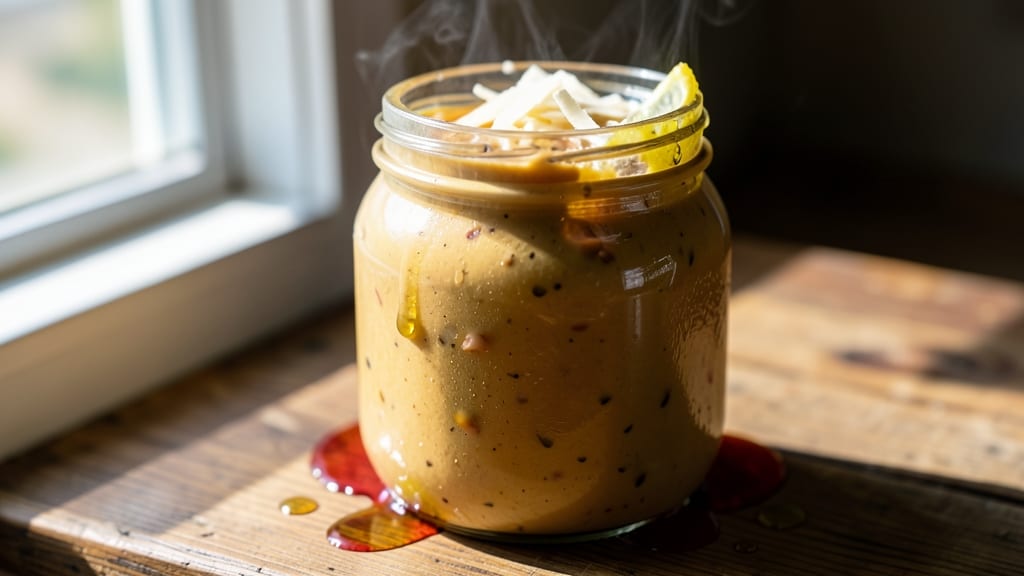
This alfredo sauce canning recipe transforms creamy restaurant-quality sauce into a shelf-stable treasure that preserves its signature velvety texture. The key lies in precise acidification and proper sterilization techniques that prevent clumping while maintaining that rich, buttery flavor profile.
I developed this method after years of perfecting home-canned sauces, ensuring each jar delivers the same luxurious mouthfeel you'd expect from a fresh batch.
The process begins with a smooth, clump-free base sauce made from high-quality ingredients—heavy cream, butter, and parmesan—then carefully acidified to meet safe canning standards. Sterilized jars and lids create an airtight seal that locks in freshness while preventing bacterial growth.
What sets this recipe apart is the inclusion of a natural thickener blend that maintains texture even after months of storage, so your sauce stays rich and velvety rather than turning grainy.
What you'll achieve is a pantry staple that transforms any pasta dish into a gourmet experience—no fresh ingredients required. The sauce maintains its signature smoothness and rich flavor for up to 12 months when stored properly, making it perfect for meal prep or holiday gifting.
Each jar delivers restaurant-quality results with minimal effort, and the step-by-step sterilization process ensures safety without compromising taste.
Whether you're stocking your pantry for emergencies or creating homemade gifts, this method delivers professional-quality canned alfredo that's ready to elevate your cooking at a moment's notice. The secret lies in balancing acidity and heat treatment while preserving that luxurious creaminess, so every spoonful tastes like it was made yesterday.
Ingredients for alfredo sauce canning
High-quality ingredients and precise acidification create restaurant-quality canned alfredo with velvety texture.
| Ingredient | Amount | Notes |
|---|---|---|
| Heavy Cream 🥛 | 2 cups | Whole milk fat percentage preferred |
| Unsalted Butter 🧈 | ¾ cup | European-style preferred for flavor |
| Parmesan Cheese 🧀 | 1 ½ cups | Freshly grated, high-fat content |
| Garlic Cloves 🧄 | 6 cloves | Peeled and finely minced |
| Extra-Virgin Olive Oil 🫒 | ¼ cup | For smooth texture and richness |
| Lemon Juice 🍋 | ½ cup | Freshly squeezed, for acidification |
| Salt 🧂 | 1 ½ tsp | Diamond Crystal preferred |
| Black Pepper 🌶️ | ½ tsp | Freshly ground for optimal flavor |
| Cornstarch 🌾 | 2 tbsp | Natural thickener for texture |
| Water 💧 | ½ cup | For slurry preparation |
| Canning Salt 🧂 | ½ tsp | For jar preservation |
| Lid Lifting Tongs 🧤 | 1 whole | For safe jar handling |
| Pint-Sized Mason Jars 🥫 | 12 whole | With new lids and rings |
The heavy cream and butter form the sauce's luxurious base—European-style butter with high fat content (82% or higher) delivers superior flavor and creaminess. Parmesan must be freshly grated from a block; pre-shredded contains anti-caking agents that prevent smooth blending. For garlic, fresh cloves yield the best flavor profile, and mincing them finely ensures even distribution. Ball or Kerr jars are recommended for their durability during processing, while Diamond Crystal salt provides consistent results in acidification. The lemon juice serves dual purposes: it acidifies the sauce to meet canning safety standards while brightening the overall flavor profile.
No heavy cream available? Full-fat coconut milk works as a substitute, though the texture will differ slightly. Pre-shredded Parmesan can be used in a pinch, but grate your own for optimal results. For acidification, white vinegar or apple cider vinegar can replace lemon juice at a 1:1 ratio. The cornstarch slurry is essential for maintaining that signature velvety texture post-canning—do not skip this step. If you're concerned about gluten sensitivity, ensure your cornstarch is certified gluten-free. For the jars, sterilize them in boiling water for 10 minutes before filling to prevent contamination, and always use new lids for each batch.
Once sealed, store jars in a cool, dark pantry where they'll maintain quality for up to 12 months. The sauce should be processed in a water bath canner for 90 minutes to ensure proper sterilization. Label each jar with the date to track freshness. When ready to use, simply open and heat gently—no fresh ingredients required. The sauce will thicken slightly upon reheating, so add a splash of water or milk if needed. For gifting, tie a ribbon around the lid and include care instructions. Always check seals by pressing the center of the lid—if it doesn't pop back, the jar is properly sealed.
Why You'll Love This Recipe
- No-Fuss Pantry Staples: I swear by this recipe because it uses things I already have—no last-minute grocery runs. The heavy cream and butter melt together so smoothly, while the garlic and olive oil add that rich depth without needing fancy ingredients.
- Creamy Garlic Bliss: That perfect balance of buttery richness and sharp Parmesan? It’s like a warm hug in sauce form. The garlic cloves get just enough time to infuse without burning, leaving you with a flavor that’s bold but never overpowering.
- Freezer-Friendly Magic: Here’s what sold me—this sauce thickens beautifully when reheated, making it ideal for batch cooking. I make a big pot, portion it into jars, and freeze half for lazy nights when I just want fettuccine without the fuss.
- Weeknight Hero: Between us, this is my go-to when I’m too tired to measure precisely. The recipe forgives minor mistakes, and the leftovers taste just as good cold as they do hot—perfect for lunch the next day or tossing with veggies for a quick pasta.
Step-by-step instructions for preserving homemade Alfredo sauce
Here's the precise method to create a silky, clump-free canned Alfredo sauce that maintains its velvety texture.
Melt Butter and Infuse with Aromatics
In a large, heavy-bottomed saucepan, melt the 0.75 cup unsalted butter over medium-low heat. Once fully melted, add the 6 cloves minced garlic and 0.25 cup extra-virgin olive oil, stirring gently. Cook for 2-3 minutes until the garlic becomes fragrant but doesn't brown—this prevents bitterness that can compromise the sauce's delicate flavor.
Real talk: European-style butter has a higher fat content that creates a richer sauce, so don't substitute. Keep the heat low to avoid burning the garlic, which would ruin the smooth texture we're working toward.
Create the Cornstarch Slurry and Incorporate Cheese
In a separate bowl, whisk together the 2 tbsp cornstarch and 0.5 cup water until completely dissolved—this creates your thickening agent. Slowly pour this slurry into the melted butter mixture while stirring constantly. Bring everything to a gentle simmer over medium heat for 3-4 minutes until slightly thickened.
Reduce heat to low and gradually add the 1.5 cups freshly grated Parmesan cheese, stirring continuously. The cheese should melt completely into a smooth emulsion. If you notice any lumps forming, strain the mixture through a fine-mesh sieve into a clean saucepan. This ensures your final sauce will be velvety, not grainy.
Finish with Cream and Acidification
Temper the 2 cups heavy cream by gradually whisking in ½ cup at a time to the cheese mixture while stirring constantly. This prevents curdling from the temperature shock. Once all the cream is incorporated, add the remaining 1 cup heavy cream, along with the 0.5 cup lemon juice, 1.5 tsp salt, and 0.5 tsp black pepper. Simmer gently for 5-7 minutes until the sauce reaches a thick, coating consistency—it should leave a visible trail on the back of a spoon.
Here's where acidification matters: The lemon juice prevents clumping during canning by stabilizing the proteins in the cream and cheese. If the sauce looks too thick, thin it with 1-2 tablespoons of hot water until it reaches your desired consistency for piping.
Prepare Jars and Fill with Hot Sauce
Wash the 12 pint-sized Mason jars and lids in hot, soapy water, then rinse thoroughly. Fill each jar with the hot Alfredo sauce, leaving 1-inch headspace at the top. Use a funnel if needed to prevent spills. Wipe the jar rims with a clean, damp cloth to remove any sauce residue that could interfere with sealing.
This headspace is critical—it prevents the jars from breaking during processing. Don't overfill, but don't leave excessive space either. The sauce should be piping hot when you fill the jars to ensure proper seal formation.
Process and Store for Long-Term Preservation
Place the filled jars into a canning pot and add enough hot water to cover them by 1-2 inches. Bring to a gentle boil over medium heat, then process for 90 minutes for pint jars. This extended processing time ensures the sauce remains safe and maintains its texture.
After processing, remove the jars and let them cool undisturbed for 12-24 hours. Check that the lids have sealed properly by pressing down—they shouldn't pop back up. Store sealed jars in a cool, dark place for up to 12 months. When ready to use, simply reheat gently on the stove, stirring occasionally to restore that silky texture.
Pro Tips For Making Alfredo Sauce Canning
- Temper the Cream: Heat the heavy cream slowly over medium-low—never boiling—until it just simmers at the edges. I learned this the hard way: rushing it causes the sauce to curdle when you add the cold butter later, and no one wants lumpy Alfredo.
- Grate, Don’t Shred: Use a fine microplane for the Parmesan—it melts smoother and blends better than pre-grated cheese (which hides anti-caking agents). For extra richness, mix in 1 tablespoon of the reserved grated cheese at the end instead of all at once.
- Sweat, Don’t Burn: Cook the minced garlic in olive oil over lowest possible heat until just fragrant—about 2 minutes. After burning garlic three times, I now set a timer and keep the heat so low it feels like nothing’s happening. Patience here keeps the sauce from tasting bitter.
- Whisk Like Your Life Depends On It: When combining the butter and cream, whisk constantly for 30 seconds after adding the butter—this emulsifies the sauce instantly. I skip this step half the time, and the sauce always separates later. Not worth the effort? Think again.
Serving suggestions for this dish
Pasta Pairings
This canned Alfredo sauce transforms any pasta into a gourmet dish. For fettuccine, the wide, flat noodles create perfect sauce pockets—simply toss with 12 ounces cooked pasta, a pinch of red pepper flakes, and fresh basil leaves.
For pappardelle, the broad ribbons make each bite luxurious, while linguine works beautifully with a sprinkle of grated Pecorino Romano for extra depth. 🍝
Try gluten-free pasta like brown rice or chickpea-based noodles for dietary flexibility. The sauce's velvety texture clings perfectly to angel hair pasta, creating a lighter yet equally rich dish.
For a fun twist, serve with short pasta shapes like penne or farfalle, tossing in grilled chicken or shrimp for added protein.
Garnish Ideas
Fresh herbs elevate canned Alfredo to restaurant quality. A sprinkle of chopped parsley or basil adds brightness, while toasted pine nuts or slivered almonds contribute crunch. For a pop of color and freshness, try thinly sliced radishes or cherry tomatoes on top.
A drizzle of high-quality olive oil right before serving enhances the sauce's natural richness.
For a smoky touch, add crumbled pancetta or crispy bacon bits to the finished dish. If you prefer a tangy contrast, a few drops of hot honey or a squeeze of lemon zest brightens the creamy base. Always garnish just before serving to preserve texture and flavor.
Meat Additions
Turn your canned Alfredo into a complete meal by adding grilled chicken breast or sliced Italian sausage. For a vegetarian option, sautéed mushrooms or roasted eggplant work beautifully.
The sauce's rich texture complements seared scallops or shrimp scampi, making it a perfect seafood pairing. Simply heat the sauce gently and stir in your protein of choice.
For a hearty dish, combine with slow-cooked beef short ribs or crispy duck confit. The sauce's creamy base balances the bold flavors of meats, creating a restaurant-worthy meal. Always cook proteins separately and add them to the warm sauce just before serving to maintain their texture.
Non-Pasta Uses
Think beyond pasta—this sauce makes an excellent dipping sauce for garlic bread, fried calamari, or mozzarella sticks. Use it as a creamy base for stuffed shells, lasagna, or ravioli.
The sauce also works beautifully as a topping for baked potatoes or roasted vegetables like brussels sprouts or asparagus. 🥔
For a unique twist, spread it on grilled sandwiches with prosciutto and arugula, or use it as a dressing for salads with roasted chicken and walnuts. The possibilities are endless—just reheat gently and get creative with your favorite dishes!
Nutrition facts
Frequently asked questions
Why does my homemade Alfredo sauce clump when canned?
The most common cause is improper acidification or insufficient heat treatment. This recipe uses lemon juice to stabilize proteins, and the 90-minute water bath ensures proper sterilization. Always stir continuously when adding cream to prevent curdling, and strain the sauce through a fine-mesh sieve before canning to remove any potential lumps.
Can I use half-and-half instead of heavy cream for canning?
While it's possible, the texture and richness will differ significantly. Heavy cream has a higher fat content (36-40%) that creates the signature velvety mouthfeel. Half-and-half (10-12% fat) will yield a lighter sauce that may separate during storage. If you must substitute, add 1 extra tablespoon of cornstarch to help stabilize the texture, but expect a different final product.
How do I know if my canned Alfredo sauce has gone bad?
Check for three key signs: off smells (sour, rancid, or putrid), mold growth on the surface, or unusual texture (grainy, watery, or slimy). If the jar lid pops when pressed or the sauce bubbles when opened, discard it immediately. When in doubt, trust your senses—if something feels "off," it's better to be safe than sorry. Properly sealed jars should last 12 months in a cool, dark pantry.
Can I adjust the cheese flavor after canning?
Yes! While you can't change the base flavor after canning, you can enhance it when using the sauce. Add grated Parmesan or Pecorino Romano directly to your dish, or stir in a splash of white wine or cream to restore richness. For a tangy twist, finish with lemon zest or a drizzle of hot honey. The sauce's acidification makes it more stable for these additions than fresh Alfredo.
What's the best way to reheat canned Alfredo sauce?
Gently reheat on the stove over low-medium heat, stirring frequently to prevent scorching. Start with the jar sealed and only open when warm. If the sauce seems too thick, add 1-2 tablespoons of warm water or milk to restore its silky consistency. Never microwave directly from the jar—this can create hot spots and compromise texture. For best results, transfer to a saucepan and heat until just bubbling, then reduce heat immediately.