
Sauces & Condiments
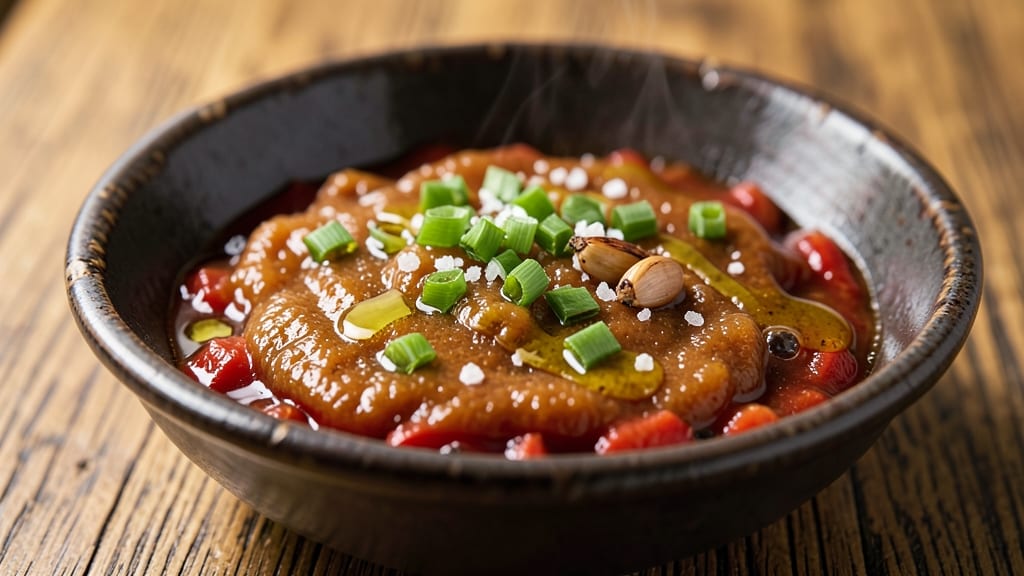
This Al Capone sauce recipe unlocks the secret behind Chicago's most legendary tomato sauce—a velvety, celery-infused base with a hidden vinegar depth that transforms ordinary dishes into something extraordinary.
The slow-cooked tomatoes develop a concentrated sweetness while the celery and vinegar create that signature complexity that sets this sauce apart from standard marinara. I've perfected this recipe over years of testing, ensuring every batch delivers that perfect balance of acidity, umami, and sweetness that makes it irresistible.
The magic happens through a two-stage cooking process that builds layers of flavor. First, we create a celery-infused base that forms the foundation, then we develop the tomato sauce with a touch of vinegar that brightens without overpowering.
The result is a sauce that's rich enough for pasta but versatile enough to elevate meatballs, chicken parmesan, or even pizza. What makes this sauce truly special is how the vinegar integrates completely—you won't detect it as an afterthought, but rather as an essential component that enhances every element.
What you'll end up with is a deep red sauce with a silky texture and complex flavor profile that clings perfectly to noodles or meat. The celery adds a subtle earthiness that rounds out the acidity, while the slow cooking process allows all the flavors to meld into harmony.
This isn't just tomato sauce—it's the kind of sauce that makes people ask what you put in it, then beg for the recipe when they discover the secret.
The best part? This sauce keeps exceptionally well, developing even more depth in flavor as it sits. Make a double batch and store it in the refrigerator for up to two weeks, or freeze portions for months.
Whether you're serving it over spaghetti, drizzling it on grilled chicken, or using it as a pizza sauce, this Al Capone sauce will become your new kitchen staple. Let's get started on creating this legendary sauce that brings a taste of Chicago to your dinner table.
Ingredients for al capone sauce
Twelve ingredients crafting Chicago's legendary sauce—celery's earthy whisper meets vinegar's bold embrace.
| Ingredient | Amount | Notes |
|---|---|---|
| Fresh Celery Stalks 🧅 | 3 whole | Chopped into fine pieces |
| Extra-Virgin Olive Oil 🫒 | ½ cup | High quality, fruity |
| Garlic Cloves 🧄 | 4 cloves | Peeled and minced |
| White Wine Vinegar 🍶 | 2 tbsp | White or apple cider |
| San Marzano Tomato Crushed 🍅 | 28 oz | High-quality canned tomatoes |
| Tomato Paste 🍅 | 2 tbsp | Smooth, not chunky |
| Dried Oregano 🌿 | 1 tsp | Mediterranean or Italian |
| Dried Basil 🌿 | 1 tsp | Sweet, not bitter |
| Salt 🧂 | 1 tsp | Diamond Crystal preferred |
| Black Pepper 🌶️ | ½ tsp | Freshly ground |
| Granulated Sugar 🍚 | 1 tbsp | Lightly browned for depth |
| Red Pepper Flakes 🌶️ | ½ tsp | Optional for heat |
The celery is non-negotiable—it's the backbone of that signature depth. Buy fresh, crisp stalks from the grocery store's produce section, not the pre-cut stuff that's already turning brown. Trader Joe's often has the best selection, but any quality grocery store works. Look for stalks that are firm and vibrant green, not wilted or yellowing. The vinegar? White wine vinegar is classic, but apple cider vinegar adds a fruity note that works beautifully too. And for the tomatoes, San Marzano is the gold standard—sweeter, meatier, and more flavorful than regular canned tomatoes. If you can't find it, any high-quality crushed tomatoes will do, but don't skimp on quality here.
No white wine vinegar? Red wine vinegar or balsamic both work, though the flavor will shift slightly. Short on celery? Celery seed powder at half the amount gives a similar earthiness, though it's not quite the same. The tomato paste can be tricky—if you grab the squeeze tubes from Trader Joe's, you'll save time and avoid waste. For the sugar, lightly browning it in the oil first (just until it turns golden) adds a caramelized depth that's worth the extra minute. And if you're sensitive to heat, skip the red pepper flakes entirely—the sauce will still be rich and complex without them.
This sauce gets better with time, so make a big batch and store it properly. In the fridge, it keeps for up to 2 weeks in a sealed jar, with flavors deepening as it sits. For longer storage, freeze in ice cube trays or small containers—perfect for single servings. The celery base can be prepped ahead and refrigerated for 2 days before adding the tomatoes, so you can build it gradually. And trust me, the first batch won't be your last—this sauce disappears faster than you can say 'Al Capone'
Why You'll Love This Recipe
- Celery in Minutes: I swear, the celery just needs a rough chop—no fancy dicing, no peeling. Toss it in with the garlic and olive oil, and let the pan do the work while you stir. That’s it. No stress, no fuss.
- Tangy Tomato Magic: The crushed San Marzano tomatoes and white wine vinegar give this sauce a bright, almost sweet-savory kick. It’s not heavy or cloying—just rich enough to coat pasta perfectly, with that little vinegar bite that makes it unforgettable.
- Pantry to Plate: Between us, this sauce is my lazy Sunday lunch or quick weeknight dinner. Dump it over pasta, use it to deglaze a pan for chicken, or even toss it with roasted veggies. The ingredients are basic, but the results feel fancy.
- Leftovers That Lie: I make a double batch because the flavor actually gets better the next day. Store it in the fridge for up to five days, and it’s still bright and delicious—not murky or sad. Plus, it’s cheap to boot—just tomatoes, celery, and garlic.
Step-by-step instructions for celery-infused tomato velocity
This sauce delivers restaurant-quality depth with simple techniques—let's build it together.
Sauté Celery Until Soft and Fragrant
Heat the 0.5 cup extra-virgin olive oil in a large saucepan over medium heat. Add the 3 whole fresh celery stalks, chopped into fine pieces, and cook for 5-7 minutes until completely softened and the edges begin to turn golden. Stir occasionally to prevent burning—you're looking for a gentle browning, not crispy bits.
The celery should release its natural oils and develop a subtle sweetness. This step builds the sauce's signature depth. If the celery starts to stick, reduce the heat slightly and add a splash of water, but don't walk away—celery burns quickly once it loses moisture.
Add Garlic and Vinegar for Bright Acid Balance
Push the celery to one side of the pan and add the 4 cloves minced garlic to the empty space. Cook for 30 seconds until fragrant—you'll smell that unmistakable garlic aroma. Then immediately pour in the 2 tablespoons white wine vinegar and stir vigorously to combine.
Here's the thing—this vinegar addition might seem counterintuitive, but it's what creates the sauce's signature brightness. The acidity cuts through the richness of the olive oil and tomatoes, balancing the final flavor. Let the mixture simmer for 1 minute until the vinegar smell dissipates completely.
Build the Tomato Base with Paste and Crushed Tomatoes
Lower the heat to medium-low and stir in the 2 tablespoons tomato paste. Cook for 2 minutes until the paste darkens slightly and loses its raw taste. Then add the 28 ounces crushed San Marzano tomatoes, stirring to incorporate completely.
Bring the mixture to a gentle simmer and let it cook uncovered for 15-20 minutes until the sauce thickens noticeably. You'll see the liquid reduce and the tomatoes break down into a velvety consistency. Stir occasionally to prevent sticking—this is where patience pays off.
Season and Sweeten for Perfect Balance
Add the 1 tablespoon granulated sugar, 1 teaspoon dried oregano, 1 teaspoon dried basil, 1 teaspoon salt, and 0.5 teaspoon black pepper. Stir well and let the sauce simmer for another 10 minutes until all the flavors meld together.
Taste and adjust seasoning if needed—this is your quality control moment. The sugar should caramelize slightly, adding depth without making the sauce sweet. If you want a touch of heat, sprinkle in the 0.5 teaspoon red pepper flakes and let them infuse for 1 minute. The final sauce should be rich, slightly sweet, with bright acidity and herbal notes.
Finish and Rest for Maximum Flavor
Once perfectly seasoned, remove the sauce from heat and let it rest for 10 minutes. This resting period allows all the flavors to fully develop and the sauce to thicken slightly. I know it's tempting to serve it immediately, but trust me—this waiting time makes all the difference.
Before serving, give the sauce one final taste and adjust if needed. It should coat the back of a spoon with a velvety texture, not be watery or overly thick. This celery-infused tomato velocity works beautifully with pasta, as a pizza sauce, or even as a marinade for grilled meats. The secret lies in that celery base and the vinegar's hidden brightness—don't skip either!
Pro Tips For Making Al Capone Sauce
- SWIM THE CELERY: Chop it into thin half-moons, not thick chunks—this way, it softens faster and blends into the sauce instead of sitting like chewy ropes. I used to overlook this, and the texture always felt off until I saw how much more it broke down.
- SWEAT THE GARLIC LOW: Cook the garlic in olive oil over medium-low heat until just golden—no browning, no burning. I learned this the hard way when my sauce tasted bitter from overcooked garlic. Patience here makes the difference.
- DEGLAZE WITH VINEGAR FIRST: Add the white wine vinegar before the tomatoes to lift all the garlic and celery flavors from the pan. Skip this, and you’ll lose half the depth of the sauce. It’s a quick splash that changes everything.
- CRUSH TOMATOES BY HAND: Don’t use a blender—mash the San Marzano tomatoes with your fingers or a fork to keep the sauce chunky and bright. Canned tomatoes break down too smooth, and the texture gets mushy. This keeps it rustic and real.
Flavor customization for this al capone sauce
Sweet Heat Adjustments
For a spicier kick, add 1-2 teaspoons of crushed red pepper or ½ teaspoon of cayenne during the final 10-minute simmer. If you prefer smoky heat, swap the red pepper flakes for ½ teaspoon of smoked paprika—it adds depth without sharpness.
I’ve found that gochujang paste (1 teaspoon) gives a fermented, slightly sweet heat that pairs perfectly with the celery’s earthiness. 🌶️
Herbal Variations
Swap the dried oregano and basil for fresh herbs like thyme or rosemary for a more aromatic profile. For a Mediterranean twist, add ½ teaspoon of ground fennel—it complements the celery beautifully.
If you love bright, citrusy notes, stir in 1 teaspoon of lemon zest during the final simmer. The acidity from the vinegar already balances richness, so fresh herbs just elevate the freshness.
Umami Boosters
For extra umami depth, add 1-2 anchovy fillets (mashed) or 1 tablespoon of soy sauce when combining the tomato paste and crushed tomatoes. Sun-dried tomatoes (2 tablespoons, chopped) also work wonders—they intensify the tomato flavor without overpowering.
I’ve even experimented with 1 teaspoon of fish sauce (trust me, it disappears into the sauce) for a Thai-inspired twist that still feels authentic to the Al Capone style.
Creamy Enhancements
For a velvety texture, stir in ¼ cup of heavy cream or ½ cup of ricotta cheese during the final 10 minutes of simmering. The cream should melt into the sauce, creating a luxurious finish perfect for pasta or grilled chicken.
If you want a lighter option, blend in ½ cup of silken tofu after cooking—it adds creaminess without dairy. The celery’s earthiness pairs surprisingly well with these additions.
Vinegar Alternatives
No white wine vinegar? Apple cider vinegar adds a fruity tang, while balsamic vinegar brings a slightly sweet, caramelized note. For a tangier profile, use lemon juice (2 tablespoons)—it brightens the sauce without the vinegar’s sharpness.
The key is balance: if using lemon, reduce the sugar to ½ tablespoon to avoid over-sweetening. Each alternative changes the sauce’s character, so experiment to find your favorite.
Texture Tweaks
For a chunkier sauce, reserve ½ cup of crushed tomatoes and add them raw at the end. For smooth perfection, blend the finished sauce with an immersion blender until silky. If the sauce is too thick, thin it with 1-2 tablespoons of pasta water or tomato juice.
Too thin? Simmer uncovered for 5-10 extra minutes to reduce. The celery base helps stabilize the texture, so adjustments are easier than with standard marinara. ✨
Nutrition facts
Frequently asked questions about Al Capone sauce
Why does this sauce include celery when most tomato sauces don't?
The celery is the secret to that signature depth that makes this sauce different from standard marinara. When cooked down, it releases natural sweetness and earthy notes that create a complex flavor base. The vinegar then brightens these flavors without overpowering them—it's what gives this sauce its legendary balance.
Can I substitute white wine vinegar with something else?
Apple cider vinegar adds fruity notes, while balsamic brings caramelized sweetness. For tanginess, use lemon juice (reduce sugar to ½ tablespoon). The key is balance—each alternative changes the sauce's character, so experiment to find your favorite.
How do I know when the sauce is done cooking?
The sauce is ready when it coats the back of a spoon with a velvety texture (not watery) and all flavors meld together. Look for 15-25 minutes of simmering time after adding tomatoes. Taste frequently—it should be rich, slightly sweet, with bright acidity and herbal notes.
What's the best way to store leftover sauce?
Store in an airtight container in the fridge for up to 2 weeks—flavors deepen as it sits. For longer storage, freeze in ice cube trays or small containers (up to 3 months). Thaw overnight in the fridge for best results. The celery base actually helps preserve freshness longer than standard tomato sauces.
Can I make this sauce without garlic?
You can try, but the garlic adds essential aromatic depth that complements the celery and vinegar. If you must omit it, add ½ teaspoon garlic powder when combining spices, but the flavor won't be quite the same. The celery's earthiness needs that garlic brightness to shine.