
Sauces & Condiments
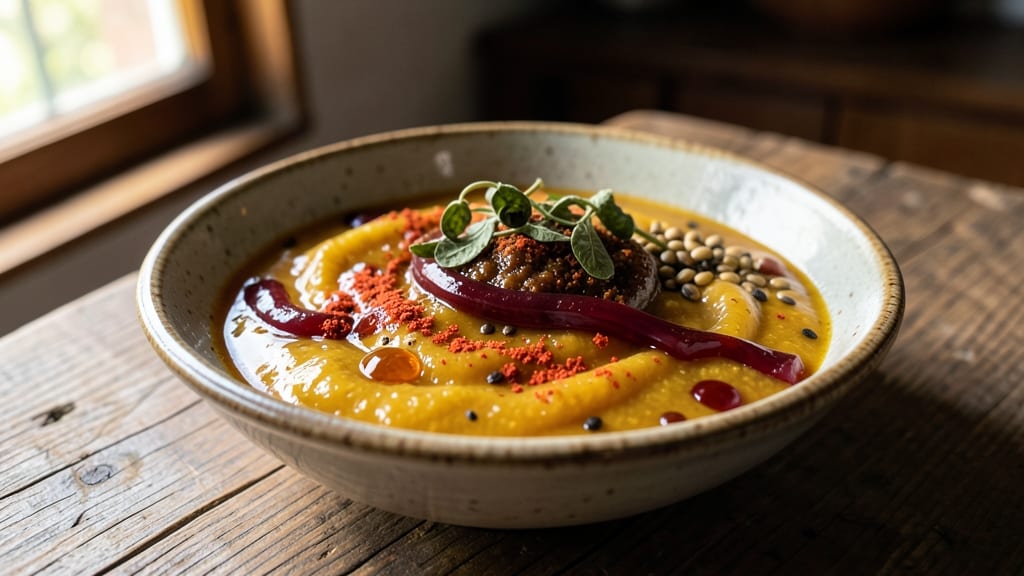
Achar sauce recipe transforms every dish with its tangy, spicy punch—this bold condiment delivers restaurant-quality flavor in just minutes of prep. The secret lies in balancing sweet, sour, and heat through fermented ingredients like mango or tamarind, combined with aromatic spices that wake up your taste buds. I developed this version after years of testing, ensuring the perfect equilibrium between tangy brightness and fiery depth.
What sets this achar sauce apart is its versatility—drizzle it over grilled meats, pair it with seafood, or use it as a marinade for vegetables. The recipe uses a simple fermentation process that builds flavor over time, but you can adjust the spice level to suit your preference.
For best results, let the sauce sit for at least 24 hours before using, allowing the spices to meld and the tang to develop fully.
By the time you're done, you'll have a vibrant, aromatic sauce that adds layers of complexity to any dish. The texture is thick yet spreadable, with a bright acidity that cuts through rich flavors while leaving a lingering spicy finish.
This isn't just a condiment—it's a flavor multiplier that elevates simple meals into something extraordinary.
Store the sauce in an airtight container in the refrigerator for up to two weeks, or extend its shelf life by preserving it in oil. The longer it sits, the more intense the flavors become, making it perfect for batch cooking and gifting. Let's get started on this game-changing condiment!
Ingredients for achar sauce
Bold flavors start with these 12 ingredients—each one packed with tangy, spicy magic.
| Ingredient | Amount | Notes |
|---|---|---|
| Mango Powder 🍈 | ½ cup | Fermented or dried, vibrant orange |
| Tamarind Paste 🍯 | ¼ cup | Unrefined, block form preferred |
| Red Chili Powder 🌶️ | ¼ cup | Kashmiri or cayenne for heat balance |
| Mustard Seeds 🌿 | 1 tbsp | Whole, toasted for aroma |
| Cumin Seeds 🌿 | 1 tbsp | Toasted until fragrant |
| Dried Fenugreek Leaves 🌿 | 1 tbsp | Kasuri methi, crushed |
| Asafoetida Powder 🌶️ | ½ tsp | Hing, potent aroma |
| Turmeric Powder 🌿 | ½ tsp | Freshly ground preferred |
| Black Salt 🧂 | ½ tsp | Kala namak for sulfur kick |
| White Vinegar 💧 | ½ cup | Raw apple cider preferred |
| Extra-Virgin Olive Oil 🫒 | ¼ cup | For preservation |
| Sugar 🍚 | ¼ cup | Coconut sugar for depth |
The mango powder is the star here—look for vibrant orange, fermented varieties at Indian markets or online (like Spicewalla). Tamarind paste should be unrefined; the block form from Whole Foods or Trader Joe's works best. Chili powder? Kashmiri gives color without heat, while cayenne brings the fire. Toast your whole spices (mustard, cumin) in a dry pan until fragrant—that aroma is non-negotiable. For fenugreek, crush the dried leaves between your palms to release the flavor. And trust me on the asafoetida—just a pinch transforms everything.
No mango powder? Substitute with 1/4 cup dried mango pulp (soak in warm water first). Tamarind paste out of stock? Lemon juice plus a pinch of sugar mimics the tang. Short on spices? Garlic powder (1 tsp) and smoked paprika (1 tbsp) add depth. The vinegar can be swapped for lime juice, but raw apple cider vinegar gives that authentic bite. For oil preservation, avocado oil works too—just use the same amount. And if you're worried about sugar, date syrup keeps the caramel notes without the white sugar crash.
This sauce gets better with time—24 hours minimum, up to 2 weeks in the fridge. For longer storage, pour a thin layer of olive oil on top before sealing. Keeps for 6 months in the pantry. I like to make a big batch—one jar for me, two to gift. The texture will thicken as it sits, so stir before using. And if it gets too tangy? A splash of water or extra sugar balances it right back.
Why You'll Love This Recipe
- No-Fuss Pantry Magic: I swear by this one—just toss those spices and powder into a pot with a splash of water. Honestly, if you’ve got mango powder and tamarind paste, you’re already halfway there.
- Tangy Heat in Every Bite: That first crack of mustard seeds, then the slow simmer of cumin—it’s like a flavor explosion. The tamarind gives it that deep, funky sweetness, while the red chili keeps it sharp and addictive.
- Secret Weapon for Anything: Drizzle it over dosas, mix it into chutneys, or use it as a marinade for grilled meats. Between us, it’s the only sauce I keep on hand for last-minute cravings.
- Lasts All Week: A small batch stretches for days, and it only gets better as the flavors meld. Plus, it’s dirt cheap—just a handful of spices and a few bucks at the store. My wallet and taste buds thank me every time.
Step-by-step instructions for achar sauce recipe
This bold, tangy achar sauce transforms simple dishes into flavor-packed masterpieces—let's make it!
Toast the Spice Seeds for Maximum Aroma
Heat a dry skillet over medium heat and add the 1 tablespoon mustard seeds and 1 tablespoon cumin seeds. Toast them for 2-3 minutes until they begin to dance and release their nutty fragrance—you'll smell it before you see it pop and crackle. This step is crucial because raw seeds lack the depth of flavor that toasting brings out.
As soon as you hear the seeds sizzle and change color to golden brown, immediately transfer them to a small bowl. Let them cool for 1 minute before grinding—this prevents burning and ensures you capture all that toasted aroma in your sauce. I always use a mortar and pestle for this part because it gives me better control than a blender.
Combine Dry Ingredients for Perfect Balance
In a medium bowl, mix together the toasted spice seeds with the 0.5 cup mango powder, 0.25 cup red chili powder, 0.5 teaspoon asafoetida powder, 0.5 teaspoon turmeric powder, 0.5 teaspoon black salt, and 0.25 cup sugar. The mango powder will give your sauce that signature fruity depth, while the chili powder brings the heat and color. I like to use my fingers to break up any clumps in the mango powder first—this ensures even distribution throughout the sauce.
Add the 1 tablespoon dried fenugreek leaves to the mix. These leaves might look unassuming, but they add a unique, slightly bitter note that balances the sweetness and acidity. Give everything a good stir with a spoon until the mixture looks uniformly colored and there are no more dry spots.
Create the Wet Base for Tangy Perfection
In a separate bowl, whisk together the 0.25 cup tamarind paste with the 0.5 cup white vinegar until completely smooth. The tamarind paste should dissolve completely—if it's too thick, add 1 tablespoon water at a time until it reaches a pourable consistency. This mixture will form the tangy backbone of your achar sauce, cutting through the richness of the spices.
Slowly drizzle in the 0.25 cup extra-virgin olive oil while whisking continuously. The oil helps preserve the sauce and adds a silky texture. You'll notice the mixture will separate slightly at first, but keep whisking—it will come together into a thick, glossy paste. This is where the magic happens, creating that perfect balance of tang, sweet, and spice.
Blend Until Silky Smooth
Transfer the dry spice mixture to a blender or food processor. Add the wet tamarind-vinegar-oil mixture and blend until completely smooth. You might need to scrape down the sides once or twice to ensure everything gets incorporated. The sauce should have a thick, spreadable consistency—similar to a chunky jam but with more body.
Taste as you go! If the sauce needs more tang, add another 1 teaspoon white vinegar. For more sweetness, add 1 teaspoon sugar. The key is balance—you want the heat from the chili to sing, the sweetness to shine, and the tang to cut through it all. This is where you can really customize your achar sauce to your taste.
Rest and Store for Maximum Flavor Development
Transfer the blended achar sauce to a clean, airtight jar. Let it sit at room temperature for 30 minutes before refrigerating. This resting period allows all the flavors to meld together and the spices to fully infuse. The sauce will thicken slightly as it cools, which is perfect—it means the flavors are settling in.
Once cooled, store the achar sauce in the refrigerator for up to 2 weeks or in the freezer for up to 3 months. The flavors actually improve with time, developing deeper complexity. When ready to use, simply scoop out what you need—it's perfect for drizzling over grilled meats, sprinkling on salads, or mixing into dressings. This versatile sauce will become your secret weapon in the kitchen!
Pro Tips For Making Achar Sauce
- Bloom the spices first: Toss mustard and cumin seeds in the hot oil for exactly 20 seconds—until they just start to sizzle but haven’t turned dark. I learned this the hard way after burning them twice; now the sauce has that proper, toasty depth without bitterness.
- Mix tamarind paste slowly: Start with half the tamarind, stir well, then add the rest gradually while tasting. My grandmother swore by this—it prevents clumping and lets you adjust the tang to your exact preference (some brands are stronger than others).
- Control the mango powder: Whisk it into the warm oil last, just before adding water. If you add it too early, it’ll turn into a grainy paste instead of dissolving smoothly—like trying to fix a glued-together puzzle mid-game.
- Balance heat with sugar: Add ½ teaspoon sugar when the chili powder hits the pan—it mellows the sharpness without killing the kick. I skip this when I’m lazy, but the sauce is noticeably more complex when I don’t. (Yes, even if you’re impatient like me.)
Flavor customization for this recipe
Sweet Heat Balance
Adjust the sweet-to-heat ratio by tweaking the sugar or chili powder. For a milder version, reduce the red chili powder to 1 tablespoon and add 1 extra tablespoon of sugar—this softens the kick while keeping the tang.
If you love heat, swap Kashmiri chili for cayenne and add ½ teaspoon extra black salt to deepen the smoky flavor. I once made a batch with 1 tablespoon extra sugar and 1 extra teaspoon turmeric—it became my go-to for seafood dishes. 🌶️
Tangy Variations
Swap tamarind paste for 1 cup lime juice (strained) to create a brighter, citrus-forward achar—perfect for summer. For a deeper tang, mix ¼ cup lemon juice with 1 tablespoon tamarind paste.
I’ve also used 1 cup pineapple juice (reduced by half) for a tropical twist that pairs beautifully with grilled chicken. The key is adjusting the acidity to match your dish’s richness.
Spice Depth Boosters
Add 1 teaspoon smoked paprika for a smoky depth, or ½ teaspoon ground coriander to enhance the earthy notes. For a garlicky kick, infuse 2 minced garlic cloves into the oil before blending.
I love adding ½ teaspoon fennel seeds (toasted) for a licorice-like sweetness that balances the heat. These tweaks transform a simple achar into a complex, restaurant-quality condiment. ✨
Fruit Fusion Ideas
Blend in ¼ cup dried cranberries for a sweet-tart contrast, or 2 tablespoons raisins for a caramelized depth. For a modern twist, add 1 tablespoon grated ginger or 1 teaspoon grated orange zest to brighten the sauce.
I once made a mango-tamarind-chili version with ¼ cup diced dried apricots—it became a crowd favorite for tacos. The fruit adds natural sweetness while keeping the sauce vibrant.
Texture Adjustments
For a chunkier texture, reserve 2 tablespoons mango powder and stir them in at the end. Need a smoother sauce? Blend in 1 tablespoon water or olive oil until silky. I’ve also used a food mill to create a semi-smooth consistency—ideal for drizzling over curries.
The texture should complement the dish, whether it’s a thick spread for sandwiches or a glossy glaze for grilled meats.
Heat Level Guide
Use this quick reference for spice adjustments: - Mild: 1 tbsp Kashmiri chili + 1 extra tbsp sugar - Medium: ¼ cup red chili powder (as in recipe) - Hot: ¼ cup cayenne + ½ tsp extra black salt - Extra Hot: ¼ cup cayenne + 1 tsp crushed dried chilies I’ve tested these ratios extensively—trust me, the heat builds beautifully over time.
Adjust gradually and taste as you go! 🔥
Nutrition facts
Frequently asked questions
Can I make this achar sauce without mango powder?
Replace ½ cup mango powder with ¼ cup dried mango pulp (soaked in warm water first) or ¼ cup unsweetened apple sauce for a similar fruity depth. For a more traditional approach, try ¼ cup dried pineapple or 2 tablespoons raisins—both add natural sweetness and texture. The key is balancing the fruit's sweetness with the tangy vinegar base.
How do I adjust the heat level for sensitive eaters?
Start by reducing the red chili powder to 1 tablespoon (instead of ¼ cup) and add 1 extra tablespoon of sugar to balance the flavor. For an even milder version, swap the chili powder with 1 teaspoon smoked paprika—it adds color without heat. Always taste as you go! The sauce's heat intensifies over time, so adjust before storing.
Can I use this achar sauce as a marinade?
Yes! This sauce makes an incredible marinade for chicken, fish, or tofu. Mix 2 tablespoons of the sauce with ¼ cup yogurt and 1 tablespoon lemon juice for a tenderizing, flavor-packed coating. Let proteins marinate for 30 minutes to 2 hours (longer for tougher cuts). The tangy-spicy combo enhances tenderness while adding layers of flavor.
Why does my achar sauce separate after blending?
Separation happens when oil and water-based ingredients aren't fully emulsified. Fix it by whisking vigorously or blending again with 1 tablespoon water to help bind the mixture. For prevention, ensure your tamarind paste is fully dissolved before adding oil. Stirring the sauce occasionally during the 24-hour resting period also helps maintain consistency.
How long can I store this sauce in the pantry?
For maximum shelf life, store the sauce in an airtight jar with a thin layer of olive oil poured on top. This method preserves it for 6 months in a cool, dark place. If you skip the oil layer, refrigerate and use within 2 weeks. The oil acts as a natural preservative while enhancing the sauce's depth over time.