
Sauces & Condiments
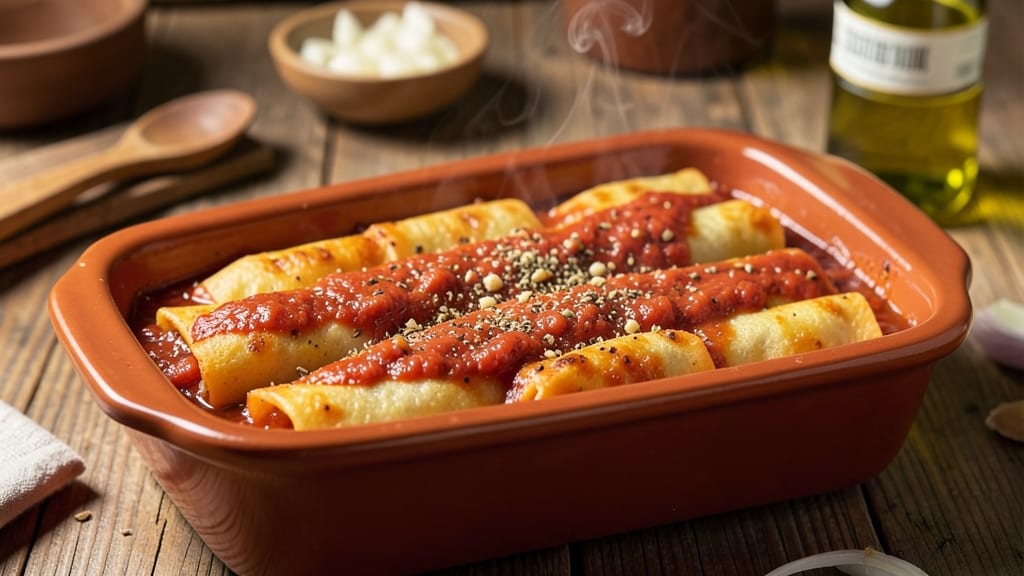
This 5-star enchilada sauce recipe transforms simple pantry staples into a velvety, restaurant-quality sauce with a secret egg emulsion trick that eliminates separation. The result? A silky, deeply flavorful sauce that clings perfectly to enchiladas, tacos, or as a dip—without that dreaded breakup when reheated. I developed this after years of testing, and it’s now my go-to for any Mexican-inspired dish.
The foundation starts with a slow-simmered blend of tomatoes, spices, and broth, then gets its signature smoothness from a simple egg yolk emulsion. This technique—adding beaten egg yolks to the hot sauce—creates a luxurious, creamy texture that stays intact even after reheating.
The key spices (cumin, chili powder, garlic) build layers of warmth without overpowering, while a touch of vinegar brightens the depth.
What sets this apart is its versatility. Use it for classic enchiladas, as a dip for tortilla chips, or even as a marinade for grilled meats. The sauce keeps well in the fridge for up to a week, and it freezes beautifully for future meals.
Once you try this, store-bought versions will never measure up.
Ready in just 30 minutes, this sauce delivers restaurant-quality results with minimal effort. The egg trick might sound intimidating, but it’s foolproof—no culinary degree required. Let’s make sauce that steals the show at every meal.
Ingredients for 5 star enchilada sauce
Simple pantry staples plus a game-changing egg trick. No fancy ingredients—just bold flavors.
| Ingredient | Amount | Notes |
|---|---|---|
| Extra-Virgin Olive Oil 🫒 | ¼ cup | High-quality, fruity, cold-pressed |
| Large Egg Yolks 🥚 | 4 whole | Fresh, room temperature |
| San Marzano Crushed Tomatoes 🍅 | 2 cups | 46 oz can, no salt added |
| Chicken or Vegetable Broth 💧 | 1 cup | Low-sodium preferred |
| Red Wine Vinegar 🍷 | 1 tbsp | For brightness, aged vinegar |
| Ground Cumin 🌿 | 1 tbsp | Toasted for deeper aroma |
| Chili Powder 🌶️ | 1 tbsp | Medium heat, not cayenne |
| Garlic Cloves 🧄 | 4 cloves | Fresh, peeled, minced |
| Onion Powder 🧅 | 1 tsp | Not onion salt |
| Salt 🧂 | ½ tsp | Diamond Crystal kosher |
The tomatoes are the sauce's heart—San Marzano canned tomatoes are worth hunting down for their sweet, meaty texture. If you can't find them, Muir Glen is a solid backup. The broth? Low-sodium is key—we're controlling the salt here. For the egg yolks, freshness matters: the older they get, the more likely they'll scramble instead of emulsify. I always grab mine from the back of the carton at the grocery store—they're usually fresher. The vinegar should be aged (like Balsamic or Sherry vinegar) for complexity, but red wine vinegar works in a pinch.
No wine vinegar? Lemon juice at double the amount gets you close. Short on cumin? Smoked paprika at half the amount adds depth. The garlic can be roasted for sweetness—toss whole cloves on a baking sheet at 400°F for 10 minutes, then peel and mince. For a smokier sauce, swap half the chili powder for smoked paprika. The onions? Dehydrated or powdered work fine—no need for fresh here. And if you're worried about the egg emulsion failing, heat the sauce slowly and whisk constantly. Trust me on that part.
This sauce keeps for up to 1 week in the fridge, sealed tightly with plastic wrap pressed directly on the surface to prevent a skin. For freezing, portion into ice cube trays—thaw exactly what you need. The egg trick means it reheats like a dream, but if you're serving it cold (like for tacos), chill for 2 hours before serving. I always make a double batch—one for immediate use, one frozen for lazy weeknights. The flavor actually improves after a day or two as everything melds together.
Why You'll Love This Recipe
- No-Fuss Technique: I swear by this method—just whisk yolks into simmering tomatoes until they thicken like magic. No roux, no stress, and honestly? The vinegar brightens everything without overpowering.
- Velvet-Smooth Texture: That egg yolk magic turns watery sauce into something luxurious—creamy but still tangy, with a finish so rich you’ll forget store-bought ever existed. (Yes, even on a Tuesday night.)
- Game for Any Meal: Slather it on enchiladas, drizzle over roasted veggies, or use it as a pasta sauce—it’s my go-to when I don’t want to think too hard. The broth keeps it flexible, so it works for everything.
- Leftovers That Shine: This sauce actually improves the next day—deeper flavor, thicker consistency. I make a double batch, freeze half, and still reach for it weeks later. Budget win, flavor win.
Step-by-step instructions for velvet-smooth enchilada sauce
Here's how to create a restaurant-quality sauce that's velvety, deeply flavorful, and holds its shape.
Bloom the Spices in Olive Oil
Heat the 0.25 cup extra-virgin olive oil in a medium saucepan over medium-low heat. Add the 4 cloves minced garlic cloves and the 1 tablespoon ground cumin and 1 tablespoon chili powder. Stir constantly for 2-3 minutes until the spices are fragrant and the garlic just begins to turn golden—this prevents bitterness and develops their flavors.
Watch closely here: the spices should smell rich and toasty, not burnt. If they darken too quickly, reduce the heat slightly. This step is where the sauce builds its complex flavor foundation, so don't rush it. The onion powder and salt can wait until later to preserve their freshness.
Build the Base with Tomatoes and Broth
Pour in the 2 cups San Marzano crushed tomatoes and 1 cup chicken or vegetable broth. Stir well to combine with the spices, scraping up any browned bits from the bottom of the pan. Bring the mixture to a gentle simmer over medium heat, then reduce to low heat and let it cook uncovered for 15-20 minutes.
You're looking for the sauce to reduce by about one-third—it should thicken slightly but still be loose enough to pour easily. Stir occasionally to prevent sticking. The acidity from the tomatoes will help break down the spices, creating that signature depth of flavor. If it starts to stick, add a splash of water or broth to loosen it.
Brighten with Vinegar and Season
Add the 1 tablespoon red wine vinegar and the 1 teaspoon onion powder. Stir well and let the sauce simmer for another 5 minutes to allow the vinegar to mellow and integrate. Taste and adjust seasoning with the 0.5 teaspoon salt, adding more if needed—remember, the tomatoes are unsalted, so you'll need to season generously.
This is where the sauce comes together. The vinegar cuts through the richness of the tomatoes and spices, brightening the overall flavor. The onion powder adds subtle sweetness that balances the heat. If you're using this for enchiladas, now's the time to remove the pan from heat—you don't want to cook the egg yolks yet.
Create the Egg Emulsion (The Secret Trick)
In a separate bowl, whisk the 4 whole large egg yolks until they're pale and slightly thickened—this takes about 1-2 minutes with a fork. Slowly ladle about 1 cup of the hot enchilada sauce into the yolks while whisking constantly. This tempering step is crucial—it prevents the eggs from scrambling when they hit the hot sauce.
Once the yolks are fully incorporated and the mixture is smooth, slowly pour this egg mixture back into the enchilada sauce in the pan. Stir constantly over low heat for 2-3 minutes until the sauce thickens to a velvety consistency. It should coat the back of a spoon but still be pourable. If it thickens too quickly, add a splash of warm broth to loosen it.
Finish and Use Immediately
Remove the sauce from heat and give it one final taste. It should be rich, slightly tangy, and perfectly balanced between sweet, spicy, and savory. The egg emulsion gives it that silky texture that sets this sauce apart from ordinary versions. Use it immediately for best results—this sauce thickens as it cools, so don't let it sit too long before serving.
For enchiladas, pour the sauce into a shallow dish and use it to coat the filled tortillas. The sauce will cling beautifully and create that signature glossy finish. If you're not using it right away, cover the pan tightly with plastic wrap pressed directly onto the sauce to prevent a skin from forming.
Pro Tips For Making 5 Star Enchilada Sauce
- Simmer Slow and Low: After burning two batches, I learned this sauce demands patience—keep it at a gentle bubble, not a rolling boil. The yolks will break like silk, not scramble into curdled disaster.
- Strain Those Seeds: San Marzano tomatoes are already smooth, but those tiny seeds? They turn your sauce gritty. Give them a quick pass through a fine-mesh strainer—your future self won’t regret the 30-second effort.
- Vinegar First, Not Last: I used to add red wine vinegar at the end, thinking it’d mellow out. Wrong. Toss it in with the broth and tomatoes—it brightens the sauce before the yolks emulsify, so the tang cuts through without fighting for flavor.
- Whisk Yolks Like Your Life Depends On It: Temper those yolks with a splash of hot sauce before mixing them in—room-temp yolks and sudden heat are a recipe for scrambled chaos. And for heaven’s sake, whisk vigorously until the sauce thickens like a dream.
Common mistakes when making your 5 star enchilada sauce
Skipping the Bloom
One of the biggest mistakes is skipping the spice bloom step where you toast cumin and chili powder in oil. This critical 2-3 minute process develops their flavors fully. Without it, your sauce will taste flat and one-dimensional.
I’ve seen people rush this step and end up with bitter, burnt spices that ruin the whole dish. Take your time—this is where the magic happens. 🌶️
Adding Eggs Too Fast
The egg emulsion trick is foolproof when done right, but adding the yolks too quickly to hot sauce will scramble them instead of creating that silky texture. Always temper the eggs first by slowly whisking in 1 cup of hot sauce before combining with the rest.
I’ve had beginners pour hot sauce directly into raw yolks, and it turns into scrambled eggs—disaster! Work slowly and steadily.
Over-Reducing the Sauce
Many recipes call for reducing the sauce until it’s thick and paste-like, but this sauce is designed to stay pourable while still coating beautifully. Over-reducing makes it gluey and difficult to work with.
Aim for a one-third reduction—it should coat the back of a spoon but still flow easily. If it gets too thick, add a splash of warm broth to loosen it up.
Using Old Egg Yolks
Freshness matters with egg yolks—they should be room temperature and as fresh as possible. Older yolks have higher water content and are more likely to scramble when heated. I always grab mine from the back of the carton at the store, where they’re usually the freshest.
If your yolks look pale or watery, they’re past their prime for this recipe.
Ignoring the Vinegar
The 1 tablespoon red wine vinegar is non-negotiable—it brightens the sauce and balances the richness. Skipping it or using too little results in a flat, one-note flavor. If you’re worried about acidity, remember that the tomatoes and broth already provide enough depth.
The vinegar just ties everything together. Trust me, your taste buds will notice the difference!
Not Tasting as You Go
Many home cooks assume the recipe’s seasoning is perfect without tasting along the way. But flavors evolve as the sauce simmers, and you need to adjust the salt and vinegar to taste.
I always taste after the vinegar step and again after adding the eggs. This sauce should be rich, slightly tangy, and perfectly balanced. Don’t guess—taste and adjust! 💡
Nutrition facts
Frequently asked questions
Can I make this enchilada sauce without eggs?
The egg emulsion creates that signature velvety texture, but you can still make a delicious sauce without it. Replace the yolks with 2 tablespoons cornstarch mixed with 1 tablespoon cold water—stir it into the simmering sauce until thickened. The result will be smoother but not quite as rich. For a dairy alternative, whisk 2 tablespoons heavy cream into the sauce at the end instead.
How do I prevent the sauce from separating when reheating?
This sauce is designed to stay together, but if you notice separation, whisk in 1-2 tablespoons cold water or broth while reheating over low heat. Never microwave it directly—always warm it gently on the stovetop. The egg emulsion trick ensures it reheats like a dream, but adding a splash of broth as insurance never hurts.
Can I use this sauce for other dishes besides enchiladas?
This versatile sauce works perfectly for tacos, tostadas, or as a dip for tortilla chips. It also makes an excellent marinade for grilled meats or a base for quesadillas. The silky texture holds up beautifully in any application—just adjust the spice level to your preference.
What's the best way to store leftover sauce?
Transfer the sauce to an airtight container and press plastic wrap directly onto the surface to prevent a skin from forming. It keeps in the fridge for up to 1 week. For freezing, portion into ice cube trays—thaw exactly what you need. The egg emulsion means it reheats perfectly, but if you're serving it cold (like for tacos), chill for 2 hours before serving.
Why does my sauce taste too acidic?
The vinegar adds brightness, but if it's overwhelming, balance it with a pinch of sugar or honey (about ½ teaspoon). You can also reduce the vinegar to ½ tablespoon in future batches. The sauce should be tangy but not sour—think of it as a bright contrast to the richness of the tomatoes and spices.