
Sauces & Condiments
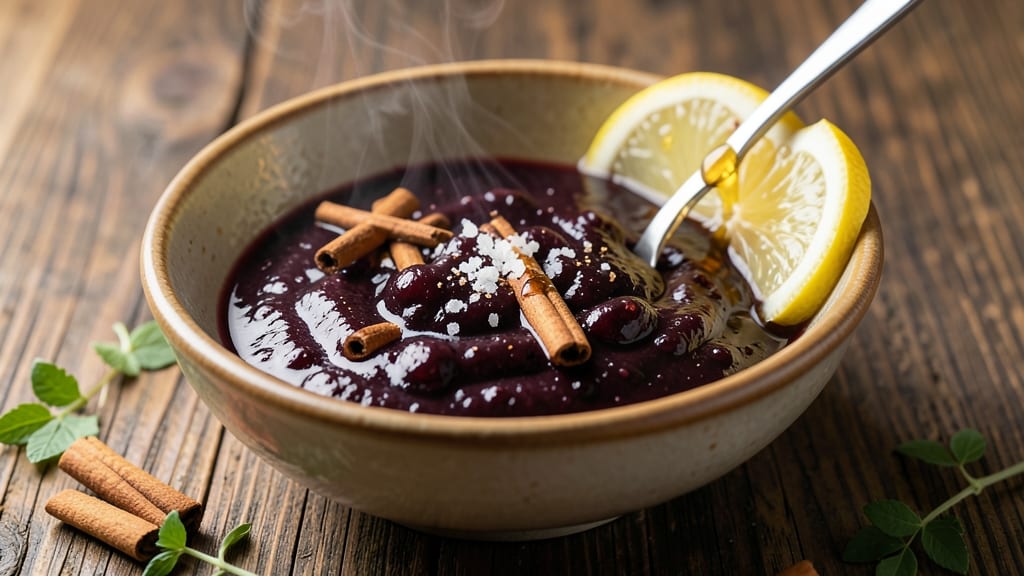
This chokecherry sauce recipe transforms wild, tart berries into a versatile jam-like sauce perfect for pies, breakfast toast, or glaze drizzles. The process is surprisingly fast—just 30 minutes of simmering—yet yields a rich, balanced sweet-tart sauce with deep fruity notes.
I developed this after years of foraging chokecherries, learning how to harness their natural tartness without overpowering the flavor.
The secret lies in the balance: a touch of lemon juice brightens the berries, while brown sugar caramelizes into a glossy finish. Simmering the sauce until thickened creates that perfect jam-like consistency, but with a liquidity that works as both a filling and a drizzle.
Straining removes seeds, leaving a smooth texture that pairs beautifully with meats, desserts, or even yogurt.
What you'll end up with is a fast, foolproof sauce that's far more complex than store-bought jams. The aroma alone—warm, fruity, with hints of caramel—will have your kitchen smelling like a country kitchen. It keeps well in the fridge for weeks, making it ideal for meal prep or gifting.
Use it in classic chokecherry pies, drizzle over pancakes, or glaze roasted meats for a tangy-sweet contrast. The possibilities are endless, but the method stays simple. Let's make this versatile sauce!
Ingredients for chokecherry sauce
Eight simple ingredients transform tart chokecherries into a jam-like sauce perfect for pies, toast, or glazes.
| Ingredient | Amount | Notes |
|---|---|---|
| Fresh Chokecherries 🍒 | 2 cups | Pitted and roughly chopped |
| Brown Sugar 🍚 | 1 cup | Light or dark, packed |
| Water 💧 | ½ cup | Filtered or spring water |
| Lemon Juice 🍋 | 2 tbsp | Freshly squeezed |
| Apple Cider Vinegar 🍏 | 1 tbsp | For brightness |
| Cinnamon Sticks 🌿 | 2 whole | Removed after simmering |
| Pinch of Salt 🧂 | ¼ tsp | Kosher or sea salt |
| Vanilla Bean 🌸 | 1 whole | Split lengthwise, seeds scraped |
| Cornstarch 🌾 | 1 tbsp | For thickening |
Chokecherries are the star—forage them fresh if possible, or grab frozen from a specialty store like Whole Foods. They're tart enough to balance sugar, so don't skimp on the brown sugar (light brown adds subtle molasses notes). The apple cider vinegar cuts through tartness while adding depth. For vanilla, Madagascar Bourbon from Trader Joe's gives the best flavor. If foraging, wear gloves—those berries stain like crazy.
No fresh chokecherries? Frozen works perfectly—thaw and drain first. Short on brown sugar? Maple syrup at half the amount keeps things balanced. The cornstarch is key for that jam-like thickness—don't skip it. For extra richness, add 1 tbsp of butter at the end. The sauce thickens as it cools, so if it's too stiff, just add a splash of water. Straining is non-negotiable—seeds make the texture gritty.
Sauce keeps for 3-4 weeks in the fridge, sealed in a jar. For longer storage, freeze in ice cube trays—perfect for single-use portions. The flavor actually improves with time as the tartness mellows. Reheat gently on the stove or microwave in 20-second bursts. Use within 6 months for best quality. The aroma alone will make your kitchen smell like fall.
Why You'll Love This Recipe
- No Pits, No Stress: I’ll be real—pitting cherries is a pain. These chokecherries? Just toss the whole things (pits and all) into the pot with brown sugar and water, simmer until they burst open. The pits sink to the bottom, and you’re left with a smooth, jammy sauce that tastes like someone went to way more effort than you did.
- Tart-Sweet Magic: That balance of wild, tart chokecherries and caramelized brown sugar? It’s like a hug for your taste buds. A splash of lemon juice brightens it up, while the apple cider vinegar adds just enough tang to cut through the richness—perfect for drizzling over pancakes or glaze for roasted chicken.
- Pantry Staple Upgrade: Between us, this sauce is my go-to for turning boring meals into something special. Slather it on toast, mix it into yogurt, or use it as a glaze for ham—it’s the kind of thing that makes you look like a cooking genius when you pull it out last-minute. And honestly? It keeps for weeks in the fridge, so you’ll always have a backup.
- Budget-Friendly Luxury: Fresh chokecherries might sound fancy, but they’re often cheaper than store-bought jam, and you get way more out of them. A big batch costs pennies per serving, and the flavor? Ridiculously good. Plus, the brown sugar and vinegar are already in your pantry, so you’re basically making gourmet sauce for next to nothing.
Step-by-step instructions for chokecherry sauce
This sauce comes together faster than you'd think—just 20 minutes of active time for a jam that's perfect for pies or toast.
Combine Chokecherries, Sugar, and Liquids
In a medium saucepan, combine the 2 cups fresh chokecherries, 1 cup brown sugar, 0.5 cup water, 2 tablespoons lemon juice, and 1 tablespoon apple cider vinegar. Stir well to ensure the sugar dissolves completely—this prevents grainy texture later. The mixture should look like a thick, purplish syrup with whole berries suspended throughout.
Add the 2 whole cinnamon sticks and bring the mixture to a boil over medium-high heat. Once boiling, reduce heat to medium and let it simmer vigorously for 10 minutes. You'll notice the berries start to break down and release their deep, tart juice. The sauce should thicken slightly but still have a loose consistency—this is normal at this stage.
Infuse with Vanilla and Season
After 10 minutes of simmering, remove the saucepan from heat and carefully add the scraped vanilla bean seeds (from the split vanilla bean) and the 0.25 teaspoon salt. Stir gently to distribute the vanilla and salt evenly. The vanilla will add a subtle floral depth that balances the tartness, while the salt enhances all the flavors.
Return the sauce to medium heat and let it simmer for another 5 minutes. You'll notice the aroma intensify—this is when the flavors meld together. Taste the sauce at this point. It should be pleasantly tart with a hint of sweetness, but still bright and vibrant. If it's too tart for your preference, you can add a bit more brown sugar (about 1 tablespoon) now, but don't overdo it—we'll thicken it next.
Thicken the Sauce
In a small bowl, whisk together the 1 tablespoon cornstarch with 2 tablespoons of cold water until smooth. This slurry is key to achieving that perfect jam-like consistency. Slowly pour the cornstarch mixture into the simmering sauce while stirring constantly with a wooden spoon or silicone spatula.
Continue stirring for 3-5 minutes until the sauce thickens to your desired consistency. It should coat the back of a spoon but still be spreadable—not gluey. If it thickens too quickly, add another 1-2 tablespoons of water to adjust. The sauce is done when it reaches a glossy, jam-like texture that holds its shape on a plate but still has a slight sheen.
Cool and Store
Remove the 2 cinnamon sticks from the sauce—they've done their job infusing flavor. Let the sauce cool to room temperature, then transfer it to a clean, airtight jar. The sauce will thicken even more as it cools, so don't worry if it looks slightly runny while warm.
This sauce keeps well in the refrigerator for up to 2 weeks or can be frozen for 3 months. It's perfect for spreading on toast, drizzling over yogurt, or using as a pie filling. The balance of tartness and sweetness makes it incredibly versatile—trust me, you'll reach for this jar more often than you think!
Pro Tips For Making Chokecherry Sauce
- Simmer Slow and Low: Chokecherries release their magic when they break down gently—think 20-30 minutes on medium-low heat, not a frantic boil. I learned this the hard way after making sauce that tasted more like jam than sauce; patience keeps those tart notes bright and the texture smooth.
- Pit Those Cherries: Skip the time-consuming pitting if you’re short on patience, but if you’ve got 10 minutes, remove the pits—even just a few left in the pot can make the sauce bitter. My grandmother swore by this, and she was right: those tiny stones hide a sour punch.
- Balance the Vinegar: Start with half the apple cider vinegar called for, then taste as you go. Chokecherries are tart enough on their own; too much vinegar turns your sauce into a mouth-puckering experiment. Add it gradually—you can always fix flatness, but you can’t undo the burn.
- Strain for Smoothness: Use a fine-mesh sieve or cheesecloth to strain the cooked cherries, even if it means extra effort. The result? A sauce without gritty bits that’ll make your guests wonder if you spent hours on it. (Yes, even if you’re impatient like me.)
Pro cooking tips for chokecherry sauce
Heat Control Mastery
Simmering chokecherry sauce at medium heat (not boiling) is critical—it prevents the sugar from caramelizing too quickly, which can make the sauce bitter. I use a medium saucepan to maximize surface area for even heat distribution.
If your stove runs hot, reduce to medium-low once the sauce reaches a gentle bubble. A digital thermometer (like the OXO Good Grips) helps monitor temps between 180-200°F—this range keeps flavors balanced. 🌡️
Straining Secrets
Use a fine-mesh sieve or cheesecloth to strain the sauce—this removes seeds and skins for that silky texture. I press the berries with a wooden spoon to extract every last drop of juice. For extra smoothness, I double-strain through a nut milk bag (like those for homemade nut milk).
This step is non-negotiable—seeds make the sauce gritty, even if you love texture. Pro tip: Chill the strained sauce for 10 minutes before storing to prevent mold growth.
Cornstarch Slurry Hack
Whisk the cornstarch slurry (1 tbsp cornstarch + 2 tbsp water) until completely smooth—no lumps allowed. Pour it into the sauce slowly while stirring constantly with a wooden spoon (metal can scratch your pan).
If the sauce thickens too fast, add 1 tbsp water at a time. For a glossy finish, I add 1 tsp butter at the end—it coats the sauce and adds richness. 💫
Flavor Balancing
Taste the sauce before thickening—this is your chance to adjust sweetness. If it’s too tart, add 1 tbsp brown sugar and simmer for 2 more minutes. For depth, I add ½ tsp ground cloves or a pinch of nutmeg during the final simmer.
The vanilla bean should be split lengthwise and scraped—Madagascar Bourbon from Trader Joe’s gives the best floral notes. Trust your palate: the sauce should taste tart-sweet with a hint of warmth from spices.
Storage Like a Pro
Let the sauce cool completely before storing—this prevents condensation in the jar. I use glass mason jars (like Ball jars) for airtight seals. For long-term storage, freeze in ice cube trays, then transfer to a bag.
Thaw in the fridge overnight—never microwave, as it can make the sauce watery. Label with the date: fridge (2 weeks), freezer (3 months). The flavor actually improves as it ages, mellowing the tartness. ❄️
Nutrition facts
Frequently asked questions
Can I use frozen chokecherries instead of fresh?
Frozen chokecherries work perfectly—just thaw and drain them first to avoid excess water in your sauce. The texture will be slightly softer, but the flavor remains vibrant. For best results, pat them dry with a paper towel before using to maintain that jam-like consistency.
Why does my sauce taste too tart?
Chokecherries are naturally tart, but you can balance the flavor by adding 1 extra tablespoon of brown sugar during the final 5-minute simmer. If it's still too sharp, a splash of vanilla extract or a pinch of ground cinnamon can help round out the taste. Always taste as you go!
How do I adjust the thickness of the sauce?
If your sauce is too thick, thin it with 1-2 teaspoons of water while reheating. For a thicker texture, simmer uncovered for an extra 2-3 minutes to evaporate moisture. The cornstarch slurry is key—measure carefully to avoid lumps or gluey results. A spoon should leave a slight trail, not a glob.
Can I make this sauce without cornstarch?
Yes! Swap the cornstarch for 1 tablespoon of pectin powder (like Ball RealFruit) or simmer uncovered for 15-20 extra minutes to reduce naturally. For a vegan option, use arrowroot powder at the same ratio. Just know the texture may be slightly less glossy without cornstarch.
What are the best ways to use leftover sauce?
This versatile sauce shines on pancakes, waffles, or French toast as a drizzle. Use it as a glaze for roasted pork or chicken, or swirl into yogurt or oatmeal. For dessert, layer in cheesecake or spoon over vanilla ice cream. The possibilities are endless—don't let it go to waste!