
Sauces & Condiments
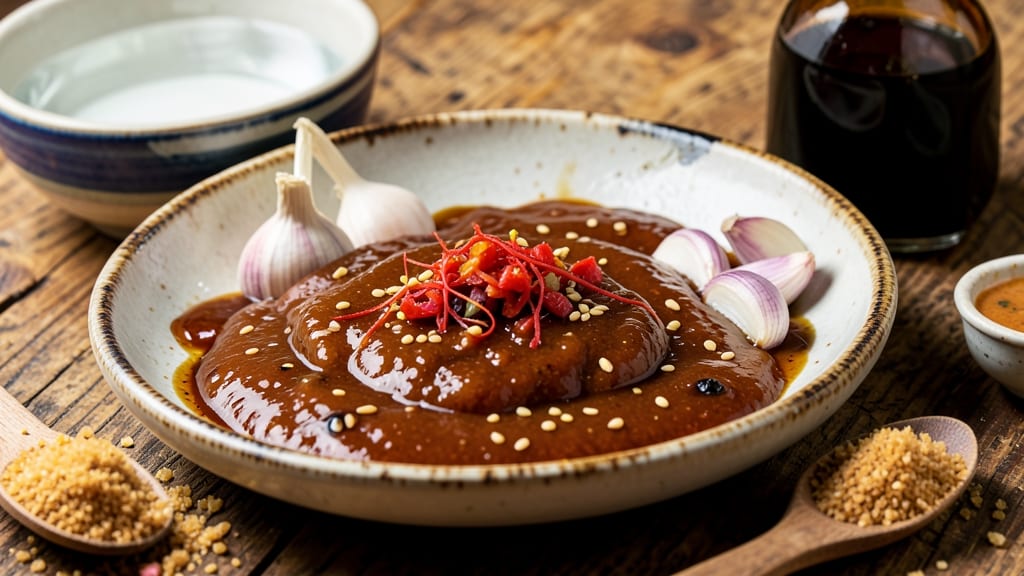
This Filipino-style barbecue sauce recipe panlasang Pinoy transforms ordinary grilled meats into a symphony of smoky-sweet flavors that'll transport you straight to a bustling karinderia stall. 🔥 I developed this recipe after years of perfecting the balance between the tangy bite of vinegar, the caramel depth of brown sugar, and the umami punch of soy sauce—all while keeping it simple enough for weeknight cooking. The secret lies in slow reduction, which intensifies those rich, complex flavors without overpowering the natural taste of the meat.
The sauce's magic comes from a blend of traditional Filipino ingredients like calamansi juice (or lime if unavailable) and a touch of patis (fish sauce) for that signature depth. Garlic and ginger add aromatic warmth, while chili flakes bring just the right amount of heat to cut through the sweetness.
What makes this sauce truly special is its versatility—it works as a marinade, a glaze, or even a dipping sauce for spring rolls.
By the time you're done, you'll have a glossy, aromatic sauce that clings beautifully to grilled chicken, pork skewers, or even roasted vegetables. The slow simmering process ensures a thick, velvety consistency that's perfect for basting or drizzling.
This isn't just barbecue sauce; it's a flavor bomb that'll make every bite taste like a trip to the Philippines.
Store it in the fridge for up to a week or freeze for longer shelf life—because once you try this, you'll want to keep a jar on hand for all your grilling adventures. Let's get cooking!
Ingredients for barbecue sauce recipe panlasang pinoy
Nine simple ingredients create this Filipino flavor bomb that'll transform your grilling game.
| Ingredient | Amount | Notes |
|---|---|---|
| Brown Sugar 🍯 | ¾ cup | Packed firmly for sweetness |
| Dark Soy Sauce 🍶 | ½ cup | For deep umami flavor |
| White Vinegar 🍋 | ½ cup | For tangy bite |
| Calamansi Juice 🍋 | ½ cup | Or lime juice substitute |
| Patis (Fish Sauce) 🐟 | 2 tbsp | For signature Filipino depth |
| Garlic Cloves 🧄 | 6 cloves | Minced for aromatic punch |
| Fresh Ginger 🌿 | 2 tbsp | Grated for zesty warmth |
| Red Chili Flakes 🌶️ | 1 tbsp | Adjust for heat preference |
| Olive Oil 🫒 | 2 tbsp | For smooth texture |
| Salt 🧂 | 1 tsp | Adjust to taste |
The brown sugar is your flavor anchor here—muscovado or turbinado adds extra depth if you want to splurge, but regular works fine. For soy sauce, Lee Kum Kee or Kikkoman are solid choices, but any dark soy will do. Calamansi is the magic ingredient (find it at Asian markets), but Key lime juice works in a pinchRed Boat is my go-to, but any quality fish sauce works. Garlic and ginger should be fresh; don't use the jarred minced stuff—it's flavorless. Chili flakes can be swapped for fresh chili paste if you want extra heat.
No calamansi? Double the lime juice and add 1 tsp sugar to mimic the sweet-tart balance. Short on brown sugar? White sugar plus 1 tsp molasses gets you close. The sauce needs time to develop—don't rush the simmer. For a smokier version, add 1 tsp smoked paprika. If you're using this as a marinade, reserve 2 tbsp to baste with. The olive oil might seem small, but it's what gives the sauce that silky finish—don't skip it. For extra richness, stir in 1 tbsp peanut butter at the end (trust me).
This sauce keeps for 1 week in the fridge, sealed tightly. For longer storage, freeze in ice cube trays—perfect for portion control. The flavor actually improves after a day or two as everything melds together. Double the batch—you'll want it on hand for everything from grilled chicken to spring rolls. If it thickens too much, thin with water or vinegar before using. Leftovers? Perfect for stir-fries or as a dipping sauce.
Why You'll Love This Recipe
- Pantry Magic: I swear by this sauce because it uses exactly what’s in my cabinet—no special shopping trips. That sticky-sweet brown sugar, the umami punch from dark soy and patis, and the bright zing of calamansi? It’s the perfect balance without needing a spice rack.
- Umami Bomb: The patis and dark soy sauce hit like a flavor tsunami, but the calamansi juice keeps it from being too heavy. Honestly, I’ve tried store-bought versions, and this tastes cleaner—like a restaurant-quality glaze, not a syrup.
- Weeknight Superstar: Slather it on grilled chicken, toss it with veggies, or drizzle it over rice—it’s my go-to for lazy nights. (Yes, even on a Tuesday night.) The vinegar cuts through the richness, so it works for everything from street-style skewers to a quick stir-fry.
- Budget Stretch: A little goes a long way, and the ingredients cost pennies. I make a big batch, store it in the fridge, and it lasts for ages—perfect for when I’m feeding the family or hosting. Plus, the brown sugar and soy sauce make it taste luxurious without breaking the bank.
Step-by-step instructions for panlasang Pinoy barbecue sauce
Here's how to make this smoky-sweet Filipino sauce that's perfect for grilling.
🍳 Step 1: Bloom the Aromatics in Olive Oil
Heat the 2 tablespoons olive oil in a medium saucepan over medium heat. Add the 6 cloves minced garlic and 2 tablespoons grated fresh ginger—watch for that fragrant aroma to fill your kitchen. Cook for 2-3 minutes until the garlic turns golden and the ginger becomes slightly translucent.
Don't walk away during this step—the garlic burns fast. You want it just fragrant, not browned. If it starts to darken too quickly, reduce the heat slightly. This aromatic base is the flavor foundation of your sauce, so take your time here.
🔥 Step 2: Build the Sauce Base
Add the 0.75 cup packed brown sugar and stir constantly for 1-2 minutes until it dissolves completely into the oil. The mixture will bubble gently—this is normal. Next, pour in the 0.5 cup dark soy sauce and 0.5 cup white vinegar, stirring well to combine.
Bring everything to a gentle simmer, then reduce heat to low-medium. Let it cook uncovered for 5 minutes to allow the flavors to meld. You'll notice the sauce starting to thicken slightly as the moisture evaporates. This is where the umami and sweetness begin to develop their signature balance.
🥘 Step 3: Add Acid and Depth
Pour in the 0.5 cup calamansi juice (or lime juice substitute) and 2 tablespoons patis (fish sauce). Stir well and let the mixture simmer for another 5-6 minutes until it reduces by about 25%. The sauce should coat the back of a spoon and have a syrupy consistency.
Here's where the magic happens—the tangy acidity of the calamansi and the funky depth of the fish sauce come together. Taste the sauce now—it should be sweet, tangy, and slightly salty. If it needs more balance, adjust with a pinch of the 1 teaspoon salt or a bit more vinegar for acidity.
🔥 Step 4: Incorporate Heat and Finish
Sprinkle in the 1 tablespoon red chili flakes and stir for 30 seconds to distribute evenly. The sauce will darken slightly and develop a subtle smokiness from the chili. Let it simmer for another 2-3 minutes to allow all the flavors to meld completely.
For extra smokiness, you can add a pinch of smoked paprika or a dash of liquid smoke at this stage. The sauce is now ready to use—it should be glossy, thick, and have that perfect balance of sweet, tangy, and umami flavors with just a hint of heat.
⏰ Step 5: Cool and Store
Remove the pan from heat and let the sauce cool for 10 minutes. This resting period allows the flavors to fully develop and the sauce to thicken slightly. Transfer to a clean jar or airtight container and store in the refrigerator for up to 2 weeks.
Before using, give it a good stir as the sauce may thicken further when chilled. This sauce is incredibly versatile—use it as a marinade, glaze, or dipping sauce for your favorite grilled meats, tofu, or even as a dipping sauce for spring rolls. The flavors only get better with time!
Pro Tips For Making Barbecue Sauce Recipe Panlasang Pinoy
- Simmer Slow and Low: I used to blast this sauce on high heat, thinking it’d caramelize faster—wrong move. The brown sugar burns before it melts properly, leaving a bitter aftertaste. Keep the heat at a gentle simmer (medium-low) and stir every 30 seconds. You’re not racing; you’re building flavor.
- Strain the Calamansi Juice: Fresh calamansi juice is great, but the pulp clogs the sauce and makes it grainy. I learned this after three batches where the sauce looked like it had sand in it. Strain it through a fine-mesh sieve or cheesecloth before adding it to the pot. Your sauce will be smoother, and the tang will shine through cleaner.
- Balance the Patis Last: Fish sauce is potent, and adding it too early can overpower the other flavors before they’ve had a chance to meld. Taste the sauce before adding the patis—wait until the brown sugar and vinegar have cooked down for 5-7 minutes first. Then add just a teaspoon, stir, and let it sit for a minute. Adjust if needed, but you can’t take it out.
- Use Dark Soy Sauce for Depth: Some recipes call for regular soy sauce, but dark soy sauce adds that rich, caramelized color and a deeper umami punch without overpowering. If you’re out of dark soy, a mix of 2/3 regular soy and 1/3 molasses works in a pinch—but your sauce won’t look as glossy or taste as complex. Trust me, it’s worth the trip to the Asian aisle.
Make-ahead tips for barbecue sauce recipe panlasang pinoy
Batch Prep Strategy
Double the recipe and store in quart-sized mason jars—this sauce keeps for 2 weeks in the fridge or 3 months in the freezer. I like using Ball mason jars because they seal tightly and stack neatly in the pantry.
Label them with the date so you can track freshness. This way, you'll always have sauce ready for spontaneous grill sessions or last-minute marinades. 📅
Freezing Techniques
For long-term storage, freeze the sauce in ice cube trays—each cube is perfect for a single use like basting or dipping. Once frozen, transfer the cubes to a ziplock freezer bag with all the air squeezed out to prevent freezer burn.
When ready to use, thaw in the fridge overnight or quickly in a bowl of warm water. The texture remains perfect after freezing, though it may thicken slightly—just thin with a splash of water or vinegar if needed. ❄️
Marinade Prep
Reserve ¼ cup of the sauce to baste while grilling—this creates a beautiful caramelized crust on meats. For marinades, combine ½ cup sauce with 1 tbsp olive oil and let it sit for at least 1 hour (or overnight for deeper flavor).
I often marinate chicken thighs or pork skewers in this mix before grilling. The sauce's acidity tenderizes the meat while infusing it with those signature Filipino flavors. 🍗
Glaze Application
Brush the sauce onto meats in three stages: first during the initial sear, then after flipping, and finally in the last 2 minutes of grilling. For extra shine, simmer the sauce with 1 tbsp cornstarch for 5 minutes before applying.
This works especially well with pork belly or ribs, creating a sticky, caramelized glaze that'll make your guests ask for seconds. 🌟
Versatile Uses
This sauce isn't just for grilling—use it as a dipping sauce for spring rolls or dumplings, a stir-fry sauce for veggies, or even a glaze for roasted potatoes. I've even used it as a spicy mayo base by mixing with mayo and a pinch of sugar.
The possibilities are endless, and having it prepped means you're always ready for a flavor upgrade. 💡
Flavor Boosting
Want to elevate your sauce? Stir in 1 tbsp peanut butter for richness or 1 tsp soy sauce for extra umami right before using. For a smoky twist, add ½ tsp liquid smoke or a pinch of smoked paprika when reheating.
These tweaks take your sauce from good to restaurant-quality without changing the core recipe. The beauty of this sauce is how adaptable it is to your taste! 🔥
Nutrition facts
Frequently asked questions
Can I substitute calamansi juice if I can't find it?
Yes! Use Key lime juice as the closest substitute—double the amount (1 cup) and add 1 teaspoon sugar to mimic calamansi's sweet-tart balance. For a milder option, mix ½ cup lemon juice + ½ cup orange juice with ½ teaspoon sugar. Never skip the acid component; it's what brightens the sauce.
How spicy should this sauce be?
The recipe uses 1 tablespoon chili flakes for a mild heat that enhances without overpowering. For medium heat, add 1 teaspoon fresh chili paste or ½ teaspoon cayenne. For spicy, increase to 2 tablespoons chili flakes + 1 teaspoon sriracha at the end. Adjust to your tolerance—Filipino barbecue sauce balances sweet and heat!
Can I use this sauce on non-meat dishes?
This sauce works beautifully on grilled tofu, portobello mushrooms, or even as a dipping sauce for spring rolls. For veggies, reduce the heat slightly (use ½ tablespoon chili flakes) and add 1 teaspoon honey to complement natural sweetness. The umami from soy sauce and patis makes it perfect for vegetarian dishes too.
Why did my sauce turn too thick?
If your sauce thickens too much during cooking, thin it with 1-2 tablespoons water or vinegar while simmering. For storage, the sauce will naturally thicken further—just stir in 1 teaspoon water when reheating. Pro tip: Simmer uncovered to prevent excessive reduction. If using as a glaze, reduce the sugar slightly (½ cup) to maintain a smoother consistency.
How do I make this sauce smokier?
For a smoky twist, add ½ teaspoon smoked paprika or ¼ teaspoon liquid smoke during the final 2 minutes of simmering. For extra depth, char 1 clove garlic and ½ teaspoon ginger in a dry pan until blackened, then blend into the sauce. This mimics the smoky flavor of traditional Filipino barbecue without needing a grill.