
Sauces & Condiments
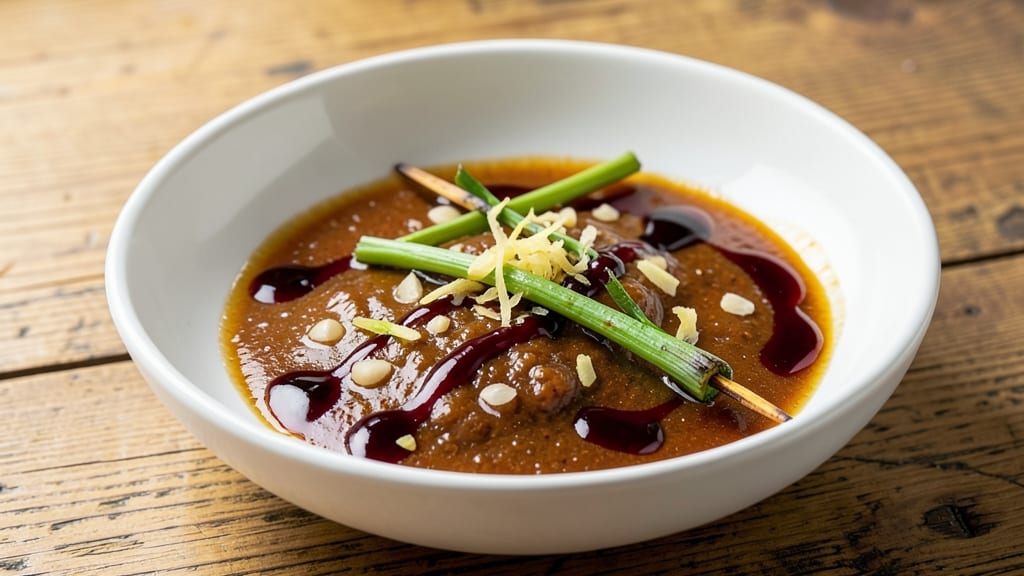
This balsamic teriyaki sauce recipe transforms ordinary grilled meats and stir-fries into restaurant-worthy masterpieces with just a few pantry staples. The perfect balance of sweet, tangy, and umami flavors comes from simmering balsamic vinegar with teriyaki sauce, creating a rich, glossy glaze that caramelizes beautifully.
I developed this sauce after craving that perfect sweet-savory combination that elevates everything from chicken thighs to tofu stir-fries.
The magic happens when you reduce the sauce to a thick, syrupy consistency—just 15 minutes of simmering on the stove. This concentrated flavor packs a punch without overwhelming the natural taste of your protein.
The balsamic vinegar adds depth while the teriyaki sauce provides that classic sweetness we all love, but with a sophisticated twist. It's foolproof, requires no special equipment, and keeps well in the fridge for up to 2 weeks—perfect for meal prep.
What you'll end up with is a versatile sauce that works as a glaze, marinade, or dipping sauce. Brush it on grilled meats for a sticky, caramelized crust, toss it with stir-fried vegetables for instant flavor, or drizzle it over noodles for an instant upgrade.
The sauce's balance of sweetness and acidity makes it adaptable to any dish while keeping the focus on the main ingredient.
Once you try this sauce, you'll never go back to store-bought versions. The depth of flavor and the effortless way it transforms simple ingredients into something extraordinary make it a must-have in your culinary arsenal.
Let's get started on creating this game-changing sauce that will become your new go-to for any protein dish.
Ingredients for balsamic teriyaki sauce
Six pantry staples and four fresh aromatics—this sauce is your secret weapon for restaurant-quality flavor.
| Ingredient | Amount | Notes |
|---|---|---|
| Balsamic Vinegar 🍷 | ½ cup | High-quality aged variety |
| Store-Bought Teriyaki Sauce 🍜 | ½ cup | Low-sodium preferred |
| Low-Sodium Soy Sauce 🥢 | ¼ cup | For umami depth |
| Honey 🍯 | ¼ cup | Wildflower preferred |
| Fresh Garlic Cloves 🧄 | 4 cloves | Minced for aromatic base |
| Fresh Ginger 🌿 | 1 tbsp | Finely grated, fresh zest |
| Extra-Virgin Olive Oil 🫒 | 1 tbsp | For glossy finish |
| Sesame Oil 🌱 | 1 tsp | Toasted, for aroma |
| Diamond Crystal Kosher Salt 🧂 | ½ tsp | Fine grain preferred |
| Black Peppercorns 🌶️ | ¼ tsp | Freshly cracked |
The balsamic vinegar is non-negotiable here—aged, dark balsamic from a glass bottle (like Balsamic Glaze) delivers that rich, caramelized depth. I always grab mine from the Trader Joe's bulk section—it's affordable and consistently high quality. For the teriyaki sauce, Kikkoman or Lee Kum Kee are my go-tos, but any low-sodium brand works. The honey should be wildflower or clover—avoid the ultra-processed stuff. Fresh ginger and garlic? Buy organic if possible, or at least scrub them well—they'll make or break the aromatic foundation. Toast your sesame oil first (just warm it in a small pan for 30 seconds) to deepen its nutty flavor.
No balsamic vinegar? Substitute with 2 tbsp of red wine vinegar plus 1 tbsp of brown sugar, but you'll lose some complexity. Teriyaki sauce missing? Mix 2 tbsp soy sauce, 1 tbsp mirin, and 1 tbsp brown sugar—it's not identical, but it works in a pinch. Honey too expensive? Maple syrup or agave nectar at the same amount. Fresh ginger not available? Ground ginger at half the amount, but it won't be as vibrant. The sesame oil is optional but adds that signature aroma—skip it if you're avoiding nuts, but add 1/4 tsp of toasted sesame seeds for texture instead. For extra umami, a dash of fish sauce (if not vegetarian) or extra soy sauce works wonders.
This sauce keeps beautifully—2 weeks in the fridge in a sealed jar, or 6 months in the freezer if you portion it into ice cube trays first. The flavor actually improves with time as the ingredients meld. For meal prep, I make double batches and store them in small glass jars—perfect for tossing in my lunchbox. If the sauce thickens too much, just stir in 1 tsp of water to loosen it. And trust me, the first time you brush this on grilled chicken or drizzle it over noodles, you'll never buy store-bought again.
Why You'll Love This Recipe
- Five-Ingredient Magic: I swear by this combo—just teriyaki, balsamic, soy, honey, and garlic. No fancy techniques, no extra steps. The balsamic adds that tangy depth while keeping it simple.
- Sweet-Savory Balance: That honey and garlic? It’s the secret weapon. The balsamic cuts through the sweetness just enough to make it ridiculously good—like a grown-up take on teriyaki but way more interesting.
- Game for Any Meal: Slather it on grilled chicken for dinner, toss it with roasted veggies for lunch, or drizzle it over noodles for a quick weeknight fix. Honestly, I’ve used it on everything from tofu to baked potatoes.
- Leftovers That Don’t Suck: This sauce actually improves the next day—thicker, richer, and perfect for reheating. Make a big batch, store it, and thank me later when you’re not scrambling for dinner ideas.
Step-by-step instructions for balsamic teriyaki sauce
This fusion sauce comes together in minutes but delivers restaurant-quality depth every time.
Bloom the Aromatics in Olive Oil
Heat a small saucepan over medium-low heat and add the 1 tablespoon extra-virgin olive oil. Once the oil shimmers gently, add the 4 cloves minced fresh garlic cloves and 1 tablespoon finely grated fresh ginger. Cook for 2-3 minutes until the garlic becomes fragrant but doesn't brown—this prevents bitterness that can overpower the sauce.
Here's where the magic starts: the garlic should smell sweet and inviting, not sharp or burnt. If you notice any golden flecks forming, immediately reduce the heat to low and stir constantly. These aromatics form the flavor foundation, so take your time with this step—rushing here will compromise the entire sauce.
Combine Wet Ingredients and Simmer
Pour in the 0.5 cup balsamic vinegar and 0.5 cup store-bought teriyaki sauce, stirring to deglaze the pan and incorporate any browned bits. Add the 0.25 cup low-sodium soy sauce and 0.25 cup honey, then bring the mixture to a gentle simmer over medium heat. Let it bubble away for 5-6 minutes until the liquid reduces by about 30%.
You'll know it's ready when the sauce thickens noticeably and coats the back of a spoon. This reduction concentrates the flavors and creates that perfect glaze consistency. If you see the sauce getting too thick too quickly, add 1 tablespoon water to maintain balance—this prevents a syrupy texture that can cling too heavily to proteins.
Finish with Seasoning and Toasted Sesame Oil
Remove the sauce from heat and let it cool slightly for 1-2 minutes. This brief rest prevents the sesame oil from burning when added. Stir in the 1 teaspoon toasted sesame oil, 0.5 teaspoon diamond crystal kosher salt, and 0.25 teaspoon freshly cracked black peppercorns. The sesame oil should infuse immediately, adding a nutty aroma that elevates the entire sauce.
Taste and adjust seasoning—this is your final opportunity to balance sweetness, acidity, and umami. If it needs more depth, add a pinch of salt or a splash of soy sauce. For extra richness, you could even whisk in 1 teaspoon butter, though this isn't in our original recipe. The sauce should be glossy, slightly syrupy, and complex—ready to transform any protein it touches.
Strain and Store for Maximum Flavor
For the smoothest texture, strain the sauce through a fine-mesh sieve into a clean jar or bowl, pressing gently on the solids to extract all the flavor. This removes any lingering garlic or ginger bits that might make the sauce too textured. The strained sauce will have that perfect velvety consistency that clings beautifully to meats and vegetables.
Let the sauce cool completely before storing in an airtight container in the refrigerator for up to 2 weeks. The flavors actually improve over time as they meld together. When ready to use, simply reheat gently in a saucepan over low heat until warmed through—never boil, as this can destroy the delicate balance you've worked so hard to achieve.
Pro Tips For Making Balsamic Teriyaki Sauce
- Simmer Low and Slow: I used to rush this sauce, thinking more heat meant faster flavor, but that just burns the garlic and makes the balsamic vinegar taste harsh. Keep it at a gentle simmer—just enough to see tiny bubbles breaking the surface—and let it meld for at least 10 minutes. The longer it cooks, the richer it gets, especially the honey and vinegar.
- Mince That Garlic Fine: I learned this the hard way—big chunks of garlic turn to mush and leave you with a weird, grainy texture. Use a knife or microplane to mince it into tiny, even pieces so it dissolves smoothly into the sauce. No food processor? Smash the cloves with the flat side of your knife first, then chop finely.
- Balance the Vinegar: Balsamic vinegar is strong, and if you dump too much in at once, the sauce will taste sharp and undercooked. Start with half the amount listed in the recipe, taste it, then add the rest gradually while simmering. You’re aiming for sweet-tangy, not pucker-your-lips sour.
- Skip the Store-Bought Shortcut: I know it’s tempting to just mix everything in a bowl, but heating the ingredients together makes a real difference. The garlic releases its aroma, the honey caramelizes slightly, and the soy sauce deepens in flavor. Even 5 minutes on low heat transforms this from "meh" to "wow."
Make-ahead tips for this balsamic teriyaki sauce
Batch Prep Strategy
Make a double batch of this sauce and store it in small glass jars—perfect for tossing in your lunchbox or meal prep containers. I always prep 2 cups total so I have enough for 4-5 meals.
The sauce keeps beautifully in the fridge for 2 weeks, and the flavors actually deepen over time as the ingredients meld together. 💡
Freezer-Friendly Tips
For long-term storage, portion the sauce into ice cube trays and freeze. Once frozen, transfer the cubes to a freezer bag with 1 inch of headspace to prevent freezer burn. This method lets you use just what you need without thawing the entire batch.
The sauce stays fresh for up to 6 months in the freezer—just thaw overnight in the fridge before using. ❄️
Reheating Like a Pro
Always reheat the sauce gently over low heat until just warmed through—never boil it. I use a small saucepan and keep the heat at medium-low for 2-3 minutes, stirring constantly. If the sauce thickens too much, add 1 teaspoon of water to restore its glossy consistency.
This careful reheating preserves the delicate balance of flavors you worked so hard to achieve. 🔥
Thinning for Versatility
If your sauce thickens too much during storage, simply stir in 1 teaspoon of water or 1 tablespoon of water for larger batches to loosen it. For a thinner consistency perfect for stir-fries, add 2-3 tablespoons of water while reheating.
I also like keeping a small jar of the original sauce on hand to thin as needed—this way, I always have the right consistency for whatever I'm cooking. ✨
Garnish for Freshness
Before using, garnish with toasted sesame seeds or fresh cilantro to add texture and brightness. I like sprinkling ½ teaspoon of sesame seeds over the sauce just before serving—it adds a nice crunch and visual appeal.
For extra zing, a few drops of toasted sesame oil can elevate the dish even further. This simple step makes your homemade sauce feel even more restaurant-worthy. 🌟
Flavor Boost Hacks
If the sauce tastes a bit flat after reheating, add a pinch of fish sauce (for umami) or a splash of rice vinegar (for acidity) to refresh it. I also keep a small bottle of chili garlic sauce on hand to add a spicy kick when needed.
These quick adjustments ensure your sauce always tastes vibrant and full of flavor, no matter how many times you reheat it. 💫
Nutrition facts
Frequently asked questions
Can I make this sauce without balsamic vinegar?
Yes, but the flavor will be less complex. Substitute with 2 tablespoons red wine vinegar plus 1 tablespoon brown sugar to mimic the depth. The balsamic adds that signature caramelized richness that balances the teriyaki sweetness perfectly. For a similar effect, you could also use 1 tablespoon of balsamic glaze if you have it on hand.
How do I adjust the sweetness level?
Start by tasting the sauce before straining. If it's too sweet, add 1 teaspoon of rice vinegar or a splash of soy sauce to cut through. For more sweetness, stir in 1 teaspoon honey while reheating. The key is balance—aim for equal parts sweet, tangy, and umami flavors.
What's the best way to use this sauce?
This versatile sauce works as a glaze for grilled meats, marinade for chicken or tofu, or dipping sauce for spring rolls. Brush it on proteins during the last 2-3 minutes of cooking for maximum caramelization. For stir-fries, add it at the very end to prevent curdling. The sauce also makes an incredible drizzle over noodles or rice bowls.
Why did my sauce turn out too thin?
This usually happens if you didn't reduce the sauce long enough. Simmer for an extra 3-5 minutes until it coats the back of a spoon. If it's already too thin, you can thicken it by simmering uncovered for 5 more minutes or adding 1 teaspoon of cornstarch mixed with water. Stir constantly to avoid lumps.
Can I use this sauce in slow cooker recipes?
Add ½ cup of this sauce to your slow cooker dish during the last 30 minutes of cooking. For pulled pork or chicken, it creates an amazing sticky glaze. Just be careful not to overcook it—high heat can make the sauce too thick. If needed, thin with a splash of water before serving.