
Sauces & Condiments
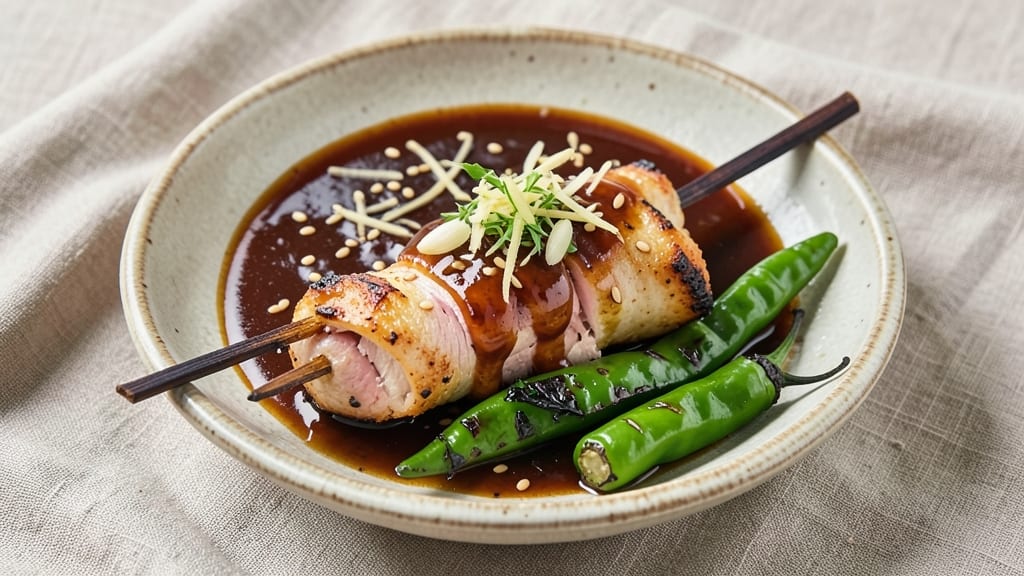
This Bachan Japanese BBQ sauce recipe transforms ordinary grilled meats into umami-packed masterpieces with just a few simple ingredients and a patient simmer. The secret lies in balancing sweet, salty, and savory notes—soy sauce provides the foundation, while mirin and sugar create that signature caramelized depth. I've perfected this version over years of grilling, and it never fails to elevate everything from chicken thighs to pork belly.
The process is straightforward but requires attention to detail: combining the ingredients in a saucepan and simmering until thickened creates a glossy, sticky sauce that clings beautifully to charred surfaces.
What makes this sauce special is its versatility—use it as a marinade, basting sauce, or finishing glaze, depending on your grilling style. The reduced consistency ensures it doesn't drip off, so every bite delivers intense flavor.
By the time you're done, you'll have a sauce that's rich, slightly sweet, and packed with umami—perfect for grilled meats, skewers, or even drizzled over rice bowls.
The aroma alone will draw everyone to the table, and the first bite will confirm why this sauce is a game-changer for home grilling. Let's get started on creating your own batch.
This recipe delivers restaurant-quality results without requiring specialty ingredients—just a few pantry staples and a little patience. Whether you're grilling for a crowd or treating yourself to a special meal, this sauce will take your dishes to the next level.
The best part? It keeps well in the fridge, so you can make a big batch and enjoy it all week.
Ingredients for bachan japanese bbq sauce
Pantry staples with a Japanese twist—this sauce delivers restaurant-quality depth in minutes.
| Ingredient | Amount | Notes |
|---|---|---|
| Kosher Soy Sauce 🥫 | ½ cup | High-quality, reduced soy sauce preferred |
| Mirin 🍶 | ¼ cup | Sweet cooking rice wine |
| White Sugar 🍚 | ¼ cup | Granulated or light brown sugar |
| Rice Vinegar 🍶 | ¼ cup | Seasoned or unseasoned works |
| Fresh Ginger 🧅 | 1 tbsp | Finely grated, fresh preferred |
| Garlic Cloves 🧄 | 3 cloves | Minced, fresh preferred |
| Sesame Oil 🫒 | 1 tbsp | Toasted sesame oil for aroma |
| Diamond Crystal Kosher Salt 🧂 | ½ tsp | Adjust to taste |
| Black Pepper 🌶️ | ¼ tsp | Freshly ground preferred |
The soy sauce is the foundation, so Japanese brands like Kikkoman or La Choy give the best umami punch. Mirin is non-negotiable here—the cheaper versions at Trader Joe's work perfectly, but if you're feeling fancy, Hirata Shuzou is worth the splurge. Fresh ginger and garlic make all the difference; peeling and grating ginger with a microplane is faster than chopping. The sugar should dissolve completely during simmering, so don't rush this step. If you can't find mirin, a mix of dry sherry and sugar works in a pinch, though the flavor won't be identical.
No mirin? Substitute with 2 tbsp sugar plus 1 tbsp dry white wine—it's not perfect, but it'll save your dish. Running out of rice vinegar? Apple cider vinegar at half the amount adds tang without overpowering. Sesame oil is optional but adds that signature nutty aroma—skip it if you're sensitive to strong flavors. For a sweeter sauce, add an extra tablespoon of sugar. The salt and pepper should be adjusted to taste at the end, so don't measure them precisely until you've tasted the sauce. If you're making this ahead, reduce the sesame oil by half to prevent it from overpowering as the sauce sits.
This sauce tastes even better the next day as the flavors meld. Store in an airtight container in the fridge for up to 2 weeks, or freeze for up to 6 months in ice cube trays for single-use portions. The consistency will thicken further when refrigerated, so thin with a splash of water or vinegar before using. I always make a double batch—one for immediate grilling and one to stash for future meals. The sauce clings beautifully to charred meats, so brush it on just before serving for maximum flavor impact.
Why You'll Love This Recipe
- Five-Ingredient Magic: I swear by this—just soy sauce, mirin, sugar, vinegar, and ginger. That’s it. No fancy gadgets, no last-minute store runs. Honestly, I keep this bottle in my fridge because it’s the kind of sauce that never lets me down.
- Umami Bomb: The ginger’s fresh bite cuts through the sweetness while the mirin and sugar balance the soy’s saltiness. It’s not just sweet or savory—it’s that perfect, layered flavor you crave when you’re craving something good.
- Weeknight Workhorse: Slather it on grilled chicken for dinner, toss it with tofu for lunch, or even drizzle it over rice bowls. I’ve used it in everything from stir-fries to marinades, and it never feels out of place. (Yes, even on a Tuesday night.)
- Budget-Friendly Staple: A single batch costs me pennies but lasts weeks—month, if I’m honest. The ingredients are cheap, the sauce keeps forever, and I never regret having it on hand when I need a quick flavor boost. My wallet and taste buds thank me.
Step-by-step instructions for Bachan Japanese BBQ sauce
Simmer these simple ingredients together for a sauce that transforms grilled meats into restaurant-quality masterpieces.
Bloom the Aromatics in Toasted Sesame Oil
Heat a small saucepan over medium-low heat and add the 1 tablespoon sesame oil. Let it warm for 30 seconds until fragrant—you'll smell that nutty, toasted aroma. This is where the sauce builds its depth of flavor.
Add the 1 tablespoon finely grated fresh ginger and 3 cloves minced garlic, stirring constantly for 1 minute. The ginger should soften slightly but not brown. Watch carefully—garlic burns quickly, and you want it to infuse rather than scorch. This aromatic base will carry through the entire sauce, giving it that signature Japanese depth.
Combine Wet Ingredients and Simmer
Pour in the ½ cup kosher soy sauce, ¼ cup mirin, ¼ cup rice vinegar, and ¼ cup white sugar. Stir well to dissolve the sugar completely—you should see it disappear into the liquid. The mixture will look cloudy at first.
Bring to a gentle simmer over medium heat, then reduce to low heat and let it cook uncovered for 10-12 minutes. You're looking for the sauce to reduce by about 30%—it should thicken noticeably and coat the back of a spoon. Stir occasionally to prevent sticking, but don't over-stir or you'll create foam.
Season and Finish with Precision
Remove the sauce from heat and let it cool slightly for 2 minutes. This resting period prevents the sauce from continuing to reduce while you season it. Add the ½ teaspoon Diamond Crystal kosher salt and ¼ teaspoon freshly ground black pepper, stirring well to distribute evenly.
Taste the sauce and adjust the seasoning if needed. I usually find it needs a touch more salt to balance the sweetness and acidity. For extra depth, you can add a splash of water or mirin if it's too thick. The sauce should be glossy with a smooth, velvety consistency—this is your signal that it's ready to elevate any grilled dish.
Cool and Store Properly
Transfer the finished sauce to a clean glass jar or airtight container. Let it cool completely at room temperature before refrigerating. This sauce keeps beautifully for up to 2 weeks in the fridge, and the flavors actually develop more depth over time.
When ready to use, simply shake the jar to redistribute any settled ingredients. The sauce works wonders on grilled meats, marinades, or even as a dipping sauce. The balance of sweet, salty, and umami notes makes it incredibly versatile—once you try it, you'll reach for this sauce again and again.
Pro Tips For Making Bachan Japanese Bbq Sauce
- Simmer Low and Slow: After burning the first batch, I learned this sauce needs a gentle simmer—not a rolling boil. Keep it at a bare simmer (tiny bubbles, barely visible) for 15-20 minutes to let the flavors meld without turning it into syrup. If it’s too aggressive, you’ll end up with a bitter, overcooked mess.
- Grate Ginger Fine: I used to chop ginger roughly, thinking it’d dissolve anyway—wrong. For this sauce, grate it as fine as you can (a microplane works best) so it fully integrates and doesn’t leave awkward texture. If you’re lazy, at least mince it into tiny pieces, but don’t skip this step entirely.
- Balance the Vinegar: Rice vinegar is sharp, and too much will make your sauce taste harsh. Start with just 1 tablespoon, taste as you go, and add more gradually—you can always fix it, but you can’t un-sour it. The goal is brightness, not tang.
- Strain for Smoothness: This isn’t a must, but if you want a silky sauce (like the kind you’d slather on grilled meats), strain out the ginger fibers after simmering. Use a fine-mesh sieve or cheesecloth—it’s a little extra work, but the result is worth it. (Yes, even if you’re impatient like me.)
Troubleshooting great bachan japanese bbq sauce
Sauce Too Thin?
If your sauce isn't thickening enough during simmering, you likely need more reduction time. I've found that simmering uncovered on low heat for an additional 5-8 minutes often does the trick.
For a quicker fix, mix 1 teaspoon cornstarch with 1 tablespoon water, stir into the sauce, and simmer for 1-2 minutes until it thickens. Avoid high heat—it can cause the sauce to separate or burn. 🔥
Sauce Too Thick?
Over-reduced sauce can be rescued by adding 1-2 teaspoons of water or mirin at a time while stirring constantly. Heat gently to reintegrate the liquid, then taste and adjust. For a smoother texture, strain the sauce through a fine-mesh sieve to remove any lumps.
If the sauce is too syrupy for your taste, thin it gradually—adding too much liquid at once can dilute the flavor entirely.
Grainy or Undissolved Sugar?
If sugar crystals remain undissolved, you likely didn't simmer long enough or stirred enough. Return the sauce to low heat and stir constantly for 3-5 minutes, ensuring all sugar granules disappear.
For stubborn crystals, add ½ teaspoon of water and stir until smooth. Always dissolve sugar completely before adding other ingredients—this prevents clumping in the final sauce.
Bitter or Overpowering Soy Flavor?
Excessive soy sauce can make the sauce taste harsh. Balance it by adding 1 teaspoon of mirin or sugar to mellow the bitterness. If the flavor is still too strong, dilute slightly with ½ teaspoon of rice vinegar or water.
For future batches, reduce the soy sauce by 1 tablespoon and increase mirin by the same amount to soften the profile.
Lacking Depth of Flavor?
For a richer sauce, add ½ teaspoon of fish sauce or 1 tablespoon of reduced soy sauce (simmer extra soy sauce alone for 5 minutes to concentrate its flavor). Toasting the sesame oil longer (45 seconds instead of 30) also enhances aroma.
If the sauce tastes flat, a pinch of white pepper adds subtle warmth without altering color.
Separation or Oil Floating?
Sesame oil may separate if the sauce cools too quickly. To fix this, gently reheat the sauce over low heat while stirring until the oil re-emulsifies. For prevention, stir the sauce occasionally while cooling.
If the separation persists, whisk vigorously or blend briefly with an immersion blender. This issue is common with high-fat sauces—always let the sauce cool gradually after simmering. 💫
Nutrition facts
Frequently asked questions
Can I make this Japanese BBQ sauce without mirin?
Yes! For a quick substitute, mix 2 tablespoons sugar with 1 tablespoon dry white wine or 1 tablespoon honey. While not identical, this combo adds sweetness and acidity to mimic mirin's role. For best results, use 1 tablespoon less sugar in the recipe since you're adding extra sweetness this way.
How long should I marinate meat in this sauce?
For tender cuts like chicken thighs or pork chops, marinate for 30-60 minutes at room temperature. For tougher cuts like beef short ribs, extend to 2-4 hours in the fridge. The sauce's acidity (from vinegar) helps tenderize, but don't exceed 4 hours to prevent overcooking. Always pat meat dry before grilling for better searing.
Can I use this sauce on non-meat dishes?
This versatile sauce works beautifully on grilled tofu, mushrooms, or even as a dipping sauce for dumplings. For vegetables, reduce the soy sauce by 1 tablespoon to prevent overpowering. The umami-rich profile also makes it perfect for glazing baked fish or drizzling over ramen.
Why does my sauce look cloudy after simmering?
Cloudiness usually means undissolved sugar or starch from ingredients. Stir more vigorously while simmering, or add ½ teaspoon of water and return to low heat for 2-3 minutes. If using cornstarch as a thickener, ensure it's fully dissolved in cold water first. The sauce should clear as it reduces further.
How do I adjust the sweetness level?
For a sweeter sauce, add 1 tablespoon sugar at the end. For less sweetness, reduce sugar by 1 tablespoon and increase rice vinegar by 1 teaspoon to balance flavors. Taste as you go—remember, flavors meld better after cooling. The ideal ratio balances sweet, salty, and umami notes perfectly.