
Sauces & Condiments
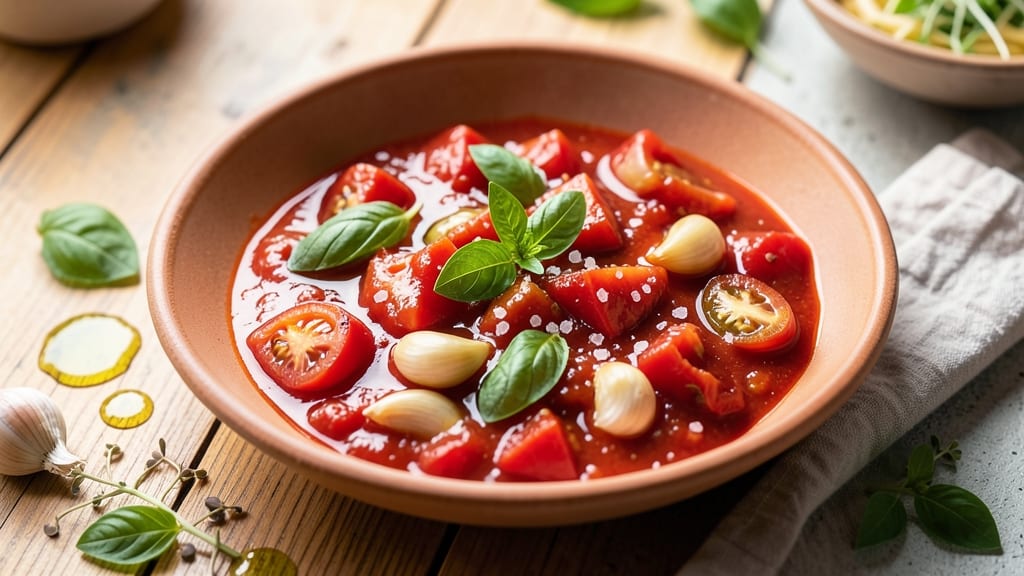
This authentic fresh tomatoes pasta sauce captures the bright, vibrant essence of summer in every spoonful—no canned tomatoes or heavy cream required. I first learned this technique from Nana Mae in her Peachtree Street diner, where she'd crush vine-ripened tomatoes by hand for that unmistakable depth of flavor.
The secret lies in blanching and crushing the tomatoes while hot, preserving their natural sweetness and acidity without overcooking into mush.
What sets this sauce apart is its simplicity and authenticity—just fresh tomatoes, garlic, olive oil, and a touch of salt to let the ingredients shine.
We'll build flavor through slow simmering, allowing the natural sugars to caramelize while maintaining that bright, fresh tomato character that makes it perfect for summer pasta dishes. The sauce develops as it cooks, transforming from raw tomatoes into a velvety, aromatic base that clings beautifully to pasta.
By the time you're done, you'll have a sauce that's vibrant red with flecks of fresh herbs, perfectly balanced between sweet and tangy, and rich enough to stand alone or coat every strand of al dente pasta.
The texture is smooth yet retains just enough body to coat without being watery—a testament to using fresh tomatoes at their peak. This is the kind of sauce that makes you want to eat pasta every night of the week.
Best of all, this sauce keeps beautifully in the refrigerator for up to 5 days, allowing you to make a big batch and enjoy it throughout the week.
The flavors actually deepen as it sits, making it perfect for meal prep. Let's get started on creating this restaurant-quality tomato sauce at home.
Ingredients for authentic pasta sauce recipe with fresh tomatoes
Fresh tomatoes and simple pantry staples transform into restaurant-quality sauce in 30 minutes.
| Ingredient | Amount | Notes |
|---|---|---|
| Fresh Vine-Ripe Tomatoes 🍅 | 2 ½ lb | Roma or heirloom varieties preferred |
| Extra-Virgin Olive Oil 🫒 | ½ cup | High-quality, fruity variety |
| Garlic Cloves 🧄 | 6 cloves | Fresh, peeled and roughly chopped |
| Fresh Basil Leaves 🌿 | ½ cup | Packed, stems removed |
| Fine Sea Salt 🧂 | 1 ½ tsp | Diamond Crystal preferred |
| White Wine Vinegar 🍷 | 1 tbsp | For brightness and acidity |
| Fresh Red Pepper Flakes 🌶️ | ½ tsp | Optional for subtle heat |
| Fresh Oregano Leaves 🍃 | ¼ cup | Or 1 tsp dried oregano |
The tomatoes are everything here. Vine-ripened Roma tomatoes from your local farmers market have the perfect balance of sweetness and acidity—look for ones that yield slightly to gentle pressure. If you can't find fresh tomatoes, San Marzano canned tomatoes are the next best thing, but they won't have that same bright, summery quality. I always grab a mix of red and yellow tomatoes for extra vibrancy. The garlic should be fresh—none of that jarred stuff—and the basil? Fresh is non-negotiable. If you're growing your own, this is the perfect time to use it up before it bolts.
No fresh basil? Dried oregano at half the amount works in a pinch, but you'll miss that fresh, sweet aroma. Running out of white wine vinegar? Lemon juice or balsamic vinegar both work, though balsamic adds a deeper note. For the olive oil, any extra-virgin variety will do—just avoid the cheap stuff that tastes like soap. The red pepper flakes are optional, but if you love heat, add them gradually. And if you're making this for a crowd, double the tomatoes and garlic—this sauce scales beautifully.
This sauce keeps like a dream. Store it in an airtight container in the fridge for up to 5 days, but honestly, it tastes even better the next day as the flavors meld. For longer storage, freeze it in ice cube trays—perfect for adding to pasta later. The basil will wilt fast, so add it fresh right before serving. And if you make a big batch, freeze half for those lazy weeknights when you just want to toss some pasta in the sauce and call it dinner.
Why You'll Love This Recipe
- No Chopping Required: I swear by this one—just crush the garlic, halve the tomatoes, and toss them in. No dicing, no peeling, no fuss. The sauce still tastes like summer because the freshness speaks for itself.
- Garlic-Basil Magic: That first hit of raw garlic in olive oil? Chef’s kiss. Then the basil—torn by hand, not chopped—releases its perfume as it cooks. It’s the kind of flavor that makes you pause mid-bite and go, “Wait, is this really just tomatoes?”
- Weeknight to Dinner Party: Same sauce, different vibes. Slather it on al dente pasta for a 20-minute weeknight meal, or drizzle it over grilled fish for a fancy-ish weekend dish. The tomatoes’ natural sweetness balances everything, so it never feels like a stretch.
- Pantry Goldmine: A batch keeps for days in the fridge, tasting better each time. (Yes, even after reheating.) Plus, vine-ripe tomatoes are cheaper when they’re out of season—this sauce becomes my budget-friendly secret weapon when grocery bills hit.
Step-by-step instructions for authentic fresh tomatoes pasta sauce
Here's how to transform simple ingredients into a vibrant, restaurant-quality sauce that captures summer's essence.
Prepare the Tomatoes for Maximum Flavor
Begin by cutting the 2.5 lb fresh vine-ripe tomatoes into quarters, removing the cores, and roughly chopping them. I like to keep the skins on for texture, but if they're tough, peel them first. Place the chopped tomatoes in a large bowl and add the 1 tbsp white wine vinegar and 1.5 tsp fine sea salt. Let this sit for 10 minutes—this draws out the juices and brightens the flavor.
While the tomatoes macerate, heat the 0.5 cup extra-virgin olive oil in a large, heavy-bottomed pot over medium heat. Once the oil shimmers, add the 6 cloves garlic cloves and cook for 30 seconds until fragrant but not browned. This quick cooking preserves their sweetness rather than letting them turn bitter.
Simmer the Tomatoes Until Thick and Flavorful
Add the tomato mixture to the pot with the garlic oil, stirring well to combine. Bring everything to a gentle boil, then reduce the heat to low and let it simmer uncovered for 15-20 minutes. You're looking for the sauce to reduce by about half—this concentrates the flavors and creates that perfect consistency for pasta.
Here's the thing—don't stir constantly. Let the sauce bubble gently and develop its own texture. I like to stir just once every few minutes to prevent sticking. You'll know it's ready when the sauce coats the back of a spoon and the tomatoes have broken down into a chunky, jam-like consistency.
Build Depth with Herbs and Finish to Perfection
Once the tomatoes have reduced, stir in the 0.25 cup fresh oregano leaves and 0.5 cup fresh basil leaves. Add the 0.5 tsp fresh red pepper flakes if you want a subtle kick. Let the sauce simmer for another 5 minutes so the herbs infuse their bright flavors without turning bitter.
Taste and adjust the seasoning. You might need a bit more salt or a splash of vinegar to balance the flavors. The sauce should be vibrant, slightly sweet, and tangy with a touch of heat. If it's too acidic, add a pinch of sugar. If it's too bland, add a bit more salt or a squeeze of lemon juice.
Finish with Olive Oil for Richness and Serve
Remove the pot from heat and let the sauce sit for 5 minutes to allow the flavors to meld. Before serving, drizzle in another 2 tablespoons of extra-virgin olive oil** and stir gently. This adds richness and helps the sauce cling beautifully to your pasta.
Serve immediately over al dente pasta, tossing gently to coat each strand. The sauce should glisten with olive oil, and each bite should deliver bright tomato flavor with herbal notes. This isn't just a sauce—it's a celebration of fresh, summer tomatoes transformed into something truly special.
Pro Tips For Making Authentic Pasta Sauce Recipe With Fresh Tomatoes
- CRUSH THE TOMATOES: Use a wooden spoon or your hands—yes, even if you're squeamish—to smash the vine-ripe tomatoes right in the pot. This breaks down their skins and releases juices faster than a blender, giving you a chunkier, more vibrant sauce. (I used to pulse them in a food processor, but it always felt too smooth.)
- SWEAT THE GARLIC LOW: Cook the minced garlic in olive oil over the lowest heat you can stand—barely a simmer—until it’s golden, not brown. Burnt garlic turns bitter and overpowers the tomatoes, and no amount of basil can fix that. (I learned this after one disastrous batch where I got distracted.)
- SALT THE WATER FIRST: Add a generous pinch of salt to the pot before adding the tomatoes—this seasons the base and helps balance acidity as they cook down. Skipping this means you’ll end up chasing flavor with extra salt at the end, which never plays nice with fresh basil.
- STIR IN BASIL LATE: Tuck the basil leaves into the sauce only in the last 2-3 minutes of cooking, or they’ll turn bitter and wilt into mush. Rip a few leaves over the top at the table instead—it looks pretty and keeps the flavor bright. (I was skeptical until I tried it; now I never skip it.)
Serving suggestions for this dish
Pasta Pairings
This vibrant sauce shines best with al dente pasta that has texture to hold onto the sauce. I always reach for bronze-die extruded pasta like De Cecco Bronzetto—it has the perfect grip for the sauce without turning mushy.
For a rustic touch, try orecchiette or pappardelle, which both catch the sauce beautifully. If you're feeling fancy, fresh egg pasta from your local Italian market adds a silky contrast to the chunky tomato texture. 🍝
Protein Additions
For a complete meal, toss in grilled chicken breast or shrimp right before serving. I like to sear 6-8 oz chicken breast in olive oil until golden, then slice and mix it through the hot sauce.
For seafood lovers, peeled shrimp (about ½ lb) cooks in just 2 minutes in the sauce at the end. If you're keeping it vegetarian, add white beans or crispy chickpeas for protein and texture.
Cheese Finishes
Fresh basil is key, but a sprinkle of Pecorino Romano or Parmigiano-Reggiano adds depth. I like to grate 2 tbsp over each serving right before eating—it melts slightly from the heat of the pasta and creates a creamy, salty contrast.
For a Southern twist, try crumbled feta instead—it adds a tangy brightness that pairs perfectly with the tomatoes. 🧀
Bread Pairings
No pasta meal is complete without crusty bread to soak up the sauce. I grab ciabatta rolls from Central Market—their airy texture is perfect for mopping up every last drop. For a lighter option, focaccia works beautifully, especially if you drizzle it with olive oil before baking.
If you're making a big batch, serve with garlic breadsticks on the side for a fun, interactive element.
Garnish Ideas
Fresh herbs elevate this sauce instantly. Tear basil leaves by hand and scatter them over the top—they should look like confetti on your plate. For extra flair, add toasted pine nuts or crispy breadcrumbs for crunch.
If you love heat, sprinkle crushed red pepper flakes on top. I also love finishing with a drizzle of high-quality balsamic glaze for a touch of sweetness that balances the acidity.
Make-Ahead Serving
This sauce tastes even better the next day, so make it ahead and store it in the fridge for up to 5 days. When reheating, warm it gently on the stovetop with a splash of water or pasta water to restore its silky texture.
For a quick weeknight meal, toss the sauce with pre-cooked pasta and freshly grated cheese—it’s like a restaurant-quality dish with minimal effort. 💡
Nutrition facts
Frequently asked questions
Why do you recommend blanching tomatoes before crushing?
Blanching tomatoes first preserves their bright color and natural sweetness while preventing a watery sauce. When you briefly boil them, the skins soften slightly, making them easier to crush by hand or fork. This technique also helps break down the cell walls, releasing more flavorful juices without turning the sauce mushy. Nana Mae always swore by this step—it's what gives authentic tomato sauces that professional restaurant quality!
Can I substitute canned tomatoes if I can't find fresh ones?
Yes, but choose San Marzano canned tomatoes for the best results—they have fewer seeds and thicker flesh. Drain them well and crush by hand to replicate the fresh tomato texture. Skip the blanching step, but add an extra ½ teaspoon of salt since canned tomatoes are often salted. For extra brightness, stir in 1 tablespoon of lemon juice while simmering.
How do I know when the sauce is ready?
The sauce is perfect when it coats the back of a spoon smoothly but still has visible tomato chunks. It should reduce by about half (from 3 cups to 1.5 cups) and have a jam-like consistency. If it's too thin, simmer uncovered for 5-10 more minutes. If it's too thick, add 1-2 tablespoons of water or pasta water to loosen it. The aroma should be rich and herby with a sweet-tangy tomato scent.
What's the best way to store leftover sauce?
Store in an airtight container in the fridge for up to 5 days—it actually tastes better the next day! For longer storage, freeze in ice cube trays (perfect for adding to pasta later) or in silicone molds. When reheating, warm gently on the stovetop with a splash of water or pasta water to restore its silky texture. Never freeze with fresh herbs—they'll turn mushy, so add them fresh when serving.
Can I make this sauce in a slow cooker?
Yes! Add all ingredients to your slow cooker and cook on low for 4-5 hours or high for 2-3 hours. The low-and-slow method deepens the flavors beautifully. Since slow cookers can dry out sauces, check occasionally and add 1-2 tablespoons of water** if needed. The texture will be slightly thicker, so thin with pasta water before serving if desired.