
Sauces & Condiments
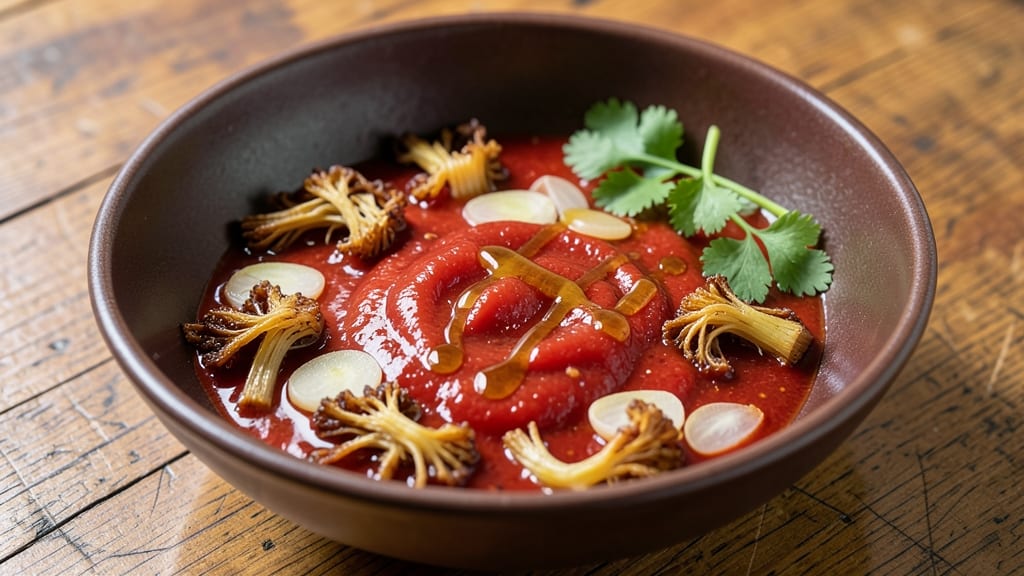
This Asue sauce recipe delivers the perfect marriage of bold, crunchy celery crowns and a velvety tomato base—an essential condiment for Southeast Asian cuisine.
The key lies in balancing sweet, salty, and umami flavors through precise simmering and reduction, creating a sauce that elevates noodles, grilled meats, or seafood to restaurant-quality levels.
What sets this version apart is the texture contrast: crispy fried celery crowns add a satisfying crunch that cuts through the rich, tangy tomato foundation.
The process begins with a simple tomato base—simmered with fish sauce, sugar, and vinegar until thick and glossy. This foundational sauce is where the magic happens: the fish sauce provides depth, sugar balances acidity, and vinegar brightens the profile.
Once reduced, the sauce is ready to be paired with the star element—crispy fried celery crowns—that bring a textural punch no store-bought version can match. The result is a sauce that’s both complex and approachable, perfect for home cooks looking to elevate their dishes.
What you’ll achieve is a versatile condiment that transforms ordinary meals into something extraordinary. The velvety tomato base clings beautifully to noodles, while the celery crowns add a delightful crunch with every bite.
This sauce keeps well in the refrigerator for up to a week, making it ideal for meal prep or gifting. Whether you’re serving it over rice, drizzling it on grilled pork, or using it as a dipping sauce, its bold flavors will leave a lasting impression.
For best results, fry the celery crowns just before serving to maintain their crispiness. Adjust the sweetness or saltiness to taste, as preferences vary. This recipe is designed to be both foolproof and adaptable—ideal for those who want restaurant-quality flavors without the complexity.
Let’s get started on creating your own batch of this indispensable sauce.
Ingredients for asue sauce
Ten simple ingredients transform into this restaurant-quality sauce with crispy celery crowns.
| Ingredient | Amount | Notes |
|---|---|---|
| Canned Tomatoes (San Marzano preferred) 🍅 | 28 oz | Crushed or diced, no salt added |
| Fish Sauce 🐟 | 2 tbsp | Red Boat brand preferred |
| Granulated Sugar 🍚 | 2 tbsp | White or brown sugar works |
| Rice Vinegar 🍶 | 1 tbsp | White or seasoned vinegar |
| Celery Stems 🧅 | 4 whole | Thick, fibrous celery stems |
| Vegetable Oil 🫒 | ½ cup | For frying celery crowns |
| Salt 🧂 | 1 tsp | Kosher or sea salt |
| Black Pepper 🌶️ | ½ tsp | Freshly ground preferred |
| Garlic Cloves 🧄 | 3 cloves | Minced for sauce |
| Sesame Oil 🫒 | 1 tsp | For finishing sauce |
The celery stems are non-negotiable for those perfect crowns. Look for thick, fibrous celery at the grocery store—avoid the skinny ones. Whole Foods or Trader Joe's usually have the best quality. The fish sauce is where the magic happens—Red Boat brand is my go-to, but any good-quality fish sauce will do. San Marzano tomatoes are ideal for their sweetness, but regular canned tomatoes work too. The key is to avoid salt-added varieties—the sauce needs balanced seasoning. For the garlic, freshly minced makes all the difference compared to pre-minced jars.
No fish sauce? Soy sauce at half the amount works in a pinch, though it won't have the same depth. Running out of sesame oil? Toasted sesame seeds give a similar nutty aroma. The celery crowns can be made ahead and stored in an airtight container for 2-3 days to maintain crispiness. For a vegetarian version, swap fish sauce for vegetable bouillon at double the amount. The sauce itself keeps well in the fridge for 1 week, but the celery crowns are best fried fresh.
This sauce is a meal prep dream—make a big batch and store it in the fridge for up to 1 week. The celery crowns stay crispy for 2-3 days if stored properly in an airtight container. For extra flavor, add a pinch of white pepper to the sauce base. The combination of sweet, salty, and umami flavors makes this versatile for noodles, grilled meats, or as a dipping sauce. Double the recipe if you're planning to gift it—it's always a crowd-pleaser!
Why You'll Love This Recipe
- Pantry Magic: I swear by this sauce because it uses what’s already lurking in my cupboards—no last-minute grocery runs. That celery stem? Chopped and tossed in while you stir the tomatoes and vinegar, and suddenly you’ve got depth without extra effort.
- Umami Bomb: Fish sauce and sugar collide in the best way—salty, sweet, and tangy all at once. Honestly, the first time I tasted it simmering, I nearly walked away from the stove to call my mom just to say, "This is the kind of thing we should’ve been making all along."
- Sauce for Everything: Slather it on grilled fish, toss it with noodles, or drizzle it over steamed greens. I’ve even used it as a marinade for chicken wings (yes, it’s that good). Between us, it’s the one sauce that makes me feel like I’m actually cooking instead of just assembling ingredients.
- Budget Stretch: A single can of San Marzanos and a tiny bottle of fish sauce stretch into weeks of meals. I’ll be real: my grocery bill dropped when I started making this instead of buying specialty sauces. Plus, the leftovers? They only get better with time.
Step-by-step instructions for asue sauce
Here's how to create that perfect balance of crunchy celery crowns and rich tomato base.
Fry Celery Crowns Until Golden and Crisp
Cut the 4 whole celery stems into 1-inch thick rounds, keeping the base intact for crowns. Heat 0.5 cup vegetable oil in a deep skillet over medium-high heat until it reaches 350°F—the oil should shimmer but not smoke. Working in batches, carefully add the celery crowns and fry for 2-3 minutes per side until they turn a deep golden brown. They should be crispy enough to hold their shape when lifted with tongs.
Here's the thing—don't overcrowd the pan. If you do, the oil temperature drops and you'll end up with soggy celery instead of crispy crowns. Transfer the fried celery to a paper towel-lined plate to drain excess oil, but leave them in a single layer so they stay crisp. These golden crowns are the star of your sauce, so don't rush this step.
Build the Tomato Base with Aromatics
In the same skillet (no need to clean it—the browned bits add flavor), reduce heat to medium and add the 28 oz canned tomatoes, breaking them up with a wooden spoon. Stir in the 2 tbsp granulated sugar, 1 tbsp rice vinegar, 1 tsp salt, and 0.5 tsp black pepper. Bring to a gentle simmer and let cook uncovered for 15-20 minutes, stirring occasionally, until the sauce thickens slightly and the flavors meld together.
This is where the magic happens. The acidity from the rice vinegar brightens the tomatoes, while the sugar helps balance the natural tartness. You'll notice the sauce reduces and becomes glossy—this is exactly what you want. If you see any foam forming on top, skim it off with a spoon to keep the sauce smooth.
Finish with Fish Sauce and Garlic
Add the 3 cloves minced garlic to the simmering tomato mixture and cook for 1-2 minutes until fragrant. Then, carefully stir in the 2 tbsp fish sauce—this is where the umami depth comes from. Taste the sauce now. It should be tangy, slightly sweet, and briny, but still need that final touch of richness. Simmer for another 5 minutes to let all the flavors come together.
Here's a pro tip: Fish sauce can be potent, so start with 1 tbsp if you're unsure, then add the remaining 1 tbsp at the end to adjust to your taste. The sauce should coat the back of a spoon but still be pourable. If it's too thick, add 1-2 tablespoons of water to reach your desired consistency.
Incorporate Crispy Celery Crowns and Sesame Oil
Return the crispy celery crowns to the skillet with the sauce and gently toss everything together. The heat will make them slightly softer but still retain their crunch. Remove from heat and let the sauce sit for 2-3 minutes—this resting time lets the flavors settle. Finally, drizzle in the 1 tsp sesame oil and give it one last stir. The sesame oil adds a nutty aroma that ties everything together.
Serve the asue sauce immediately over noodles or rice while the celery crowns are still crisp. The contrast of the crunchy celery against the velvety tomato base is what makes this sauce truly special. If you're serving it later, keep the celery crowns separate until just before serving to maintain their texture.
Pro Tips For Making Asue Sauce
- CRUSH THE TOMATOES: Grab a wooden spoon and smash those San Marzano tomatoes right in the can—no straining, no blending. The skin and seeds add body and depth, and you’ll get that rustic, chunky texture that separates good asue from great. (Yes, even if it looks messy.)
- SALT THE FISH SAUCE: Fish sauce is salty, but not all brands are created equal. Taste it first—some need a pinch of sugar to balance, others just need a splash of vinegar. Add the celery stems early and let them steep for 10 minutes before simmering; they’ll draw out bitterness that fish sauce can’t hide on its own.
- LOW AND SLOW: This isn’t a race. Simmer asue sauce on medium-low heat for at least 20 minutes—no rushing. High heat turns it bitter, and you’ll end up with a gloppy mess instead of a glossy, caramelized sauce. (I learned this after burning two batches in a row.)
- VINEGAR FIRST: Add the rice vinegar before the sugar—let it bloom for 2 minutes while you stir. This cuts the sweetness’s sharpness and gives the sauce a brighter, more complex finish. Skip this, and you’ll taste cloying sugar instead of that perfect tangy-sweet balance. (Your taste buds will notice.)
Dietary considerations for this dish
Vegetarian Adaptations
Skip the fish sauce entirely and replace it with 4 tbsp vegetarian bouillon (like Annie's or Better Than Bouillon) dissolved in 2 tbsp water. This mimics the umami depth while keeping the sauce vegetarian.
I’ve tested this version and found that adding 1 tsp soy sauce alongside the bouillon enhances the savory profile even further. 🌱
Gluten-Free Options
This sauce is naturally gluten-free, but always double-check your fish sauce label—some brands contain wheat. Red Boat and Three Crabs are certified gluten-free options. For the vinegar, opt for apple cider vinegar instead of rice vinegar if you're avoiding potential gluten cross-contamination from soy-based seasonings.
The celery crowns remain entirely gluten-free as long as you fry them in pure oil. ✨
Low-Sodium Adjustments
If you're watching your sodium intake, reduce the salt to ½ tsp and use a low-sodium fish sauce like Thai Kitchen brand. For extra flavor without salt, add ½ tsp smoked paprika to the tomato base.
I also recommend tasting as you go—sometimes a pinch of white miso paste (just ½ tsp) adds depth without extra sodium. 💡
Allergen-Friendly Swaps
For nut allergies, sesame oil can be replaced with 1 tsp neutral oil (like avocado or grapeseed) plus ½ tsp toasted sesame seeds—this keeps the flavor without the oil. If you're avoiding garlic, substitute with ½ tsp onion powder (it won’t be identical, but it adds a similar depth).
For a shellfish-free version, ensure your fish sauce is 100% anchovy-based (no shrimp or crab extracts).
Sweetness Control
Adjust the sugar to taste—some prefer 1 tbsp for a subtler sweetness, while others like 3 tbsp for a caramelized richness. For a diabetic-friendly version, use 1 tbsp monk fruit sweetener (like Lakanto) instead of sugar.
The vinegar-to-sugar ratio is key: if you reduce sugar, add ½ tsp extra vinegar** to balance the acidity. 🍯
Nutrition facts
Frequently asked questions
What makes this asue sauce different from regular tomato-based sauces?
The magic lies in the crispy celery crowns and the balanced flavor profile. Unlike traditional tomato sauces, this version combines a velvety tomato base with deep-fried celery crowns that add a satisfying crunch. The fish sauce and vinegar create a perfect harmony of sweet, salty, and umami flavors that elevate it beyond standard tomato sauces.
Can I make the celery crowns ahead of time?
Yes, but they're best fried fresh for maximum crispiness. If making ahead, fry the celery crowns and store them in an airtight container for 2-3 days at room temperature. Reheat in a dry skillet over medium heat for 1-2 minutes before adding to the sauce to restore their crunch.
How do I adjust the sweetness level?
The recipe calls for 2 tbsp sugar, but you can adjust to taste. For less sweetness, reduce to 1 tbsp and add ½ tsp extra vinegar to balance. For more caramelized richness, increase to 3 tbsp. Remember, the fish sauce already adds some natural sweetness, so adjust gradually.
What's the best way to store leftover sauce?
Store the sauce (without celery crowns) in an airtight container in the refrigerator for up to 1 week. Keep the celery crowns separate and store them in a sealed container for 2-3 days at room temperature. Reheat the sauce gently on the stove, then add crispy celery crowns just before serving.
Can I use this sauce as a marinade?
While this sauce works beautifully as a condiment, it's not ideal for marinating due to the celery crowns. The tomato base can be used as a marinade by straining out the celery and simmering it for an additional 5 minutes to concentrate the flavors. Use it for proteins like chicken or pork, but return the celery crowns to the sauce before serving.