
Sauces & Condiments
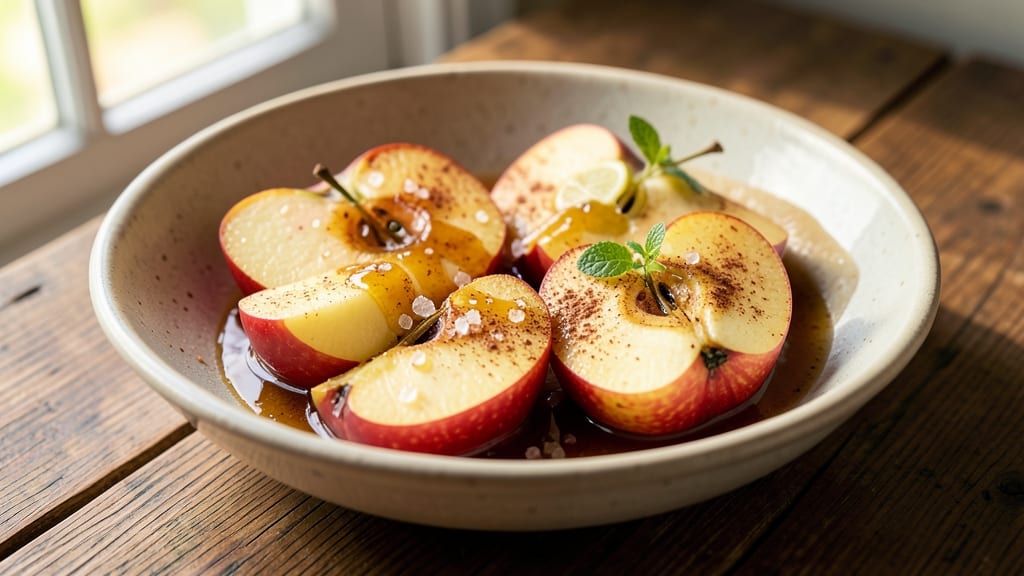
This vegan applesauce recipe with unpeeled apples delivers all the cozy comfort of homemade applesauce—without the peeling hassle. The secret lies in using whole apples with skins intact, which boosts fiber and nutrients while keeping the process simple.
In just 20 minutes, you’ll transform tart apples into a velvety, naturally sweet sauce that’s perfect for breakfast, baking, or pairing with savory dishes.
The beauty of this recipe is its versatility—you can make it on the stovetop for quick results or use a slow cooker for hands-off convenience. No added sugar is needed, as the natural sweetness of the apples shines through when cooked just right.
A pinch of cinnamon or vanilla adds warmth, but the pure, unadulterated version is just as satisfying.
What sets this applesauce apart is its nutrient-packed simplicity. The skins retain antioxidants and fiber, making it a healthier alternative to store-bought versions. The texture is smooth yet slightly rustic, with a subtle tartness that balances sweetness.
It’s the kind of sauce that elevates oatmeal, pancakes, or even roasted pork without overpowering the dish.
Whether you’re prepping for the week or craving a quick side, this recipe delivers restaurant-quality results with minimal effort. The best part? You’ll have leftovers that taste even better the next day. Let’s get started!
Ingredients for applesauce recipe unpeeled apples
Seven ingredients, zero peeling—just whole apples, water, and natural sweetness.
| Ingredient | Amount | Notes |
|---|---|---|
| Unpeeled Apples 🍎 | 4 medium | Mixed varieties for balance |
| Water 💧 | 1 ½ cups | Or unsweetened apple juice |
| Raw Cane Sugar 🍯 | 2 tbsp | Or maple syrup for vegan |
| Lemon Juice 🍋 | 1 tbsp | Freshly squeezed |
| Ground Cinnamon 🌿 | ½ tsp | Optional for warmth |
| Vanilla Extract 🌸 | ¼ tsp | Pure vanilla preferred |
| Salt 🧂 | ¼ tsp | Fine sea salt |
The apples are the star here, so pick a mix of sweet and tart varieties—Gala for sweetness and Granny Smith for tartness work perfectly. Local farmers markets often have the freshest, firmest apples, but any organic apples in the produce section will do. Avoid bruised spots or overly soft apples. If you're short on time, pre-cut apples from the bagged section save prep work, though whole apples cook more evenly. The skins stay intact during cooking, locking in fiber and antioxidants—don’t peel them, that’s the magic.
No raw cane sugar? Maple syrup or agave works just as well—use the same amount. Short on lemon juice? Lime juice gives a similar tang. The cinnamon and vanilla are optional but add depth—Penzeys or McCormick are reliable brands for quality spices. If you’re making a big batch, consider doubling the spices for extra warmth. For a smoother texture, you can blend the finished sauce briefly, but leaving it slightly rustic keeps that homemade charm. The salt isn’t just for flavor—it helps balance the natural sweetness of the apples.
Applesauce keeps beautifully in the fridge for up to 1 week, though I find it tastes even better the next day as flavors meld. For longer storage, portion into ice cube trays and freeze—3 months of single-serving applesauce ready for oatmeal or toast. If you’ve got extra, it freezes perfectly for future baking needs. The sauce thickens as it cools, so add a splash of water if you prefer it pourable. Trust me, you’ll want to make extra—it disappears fast.
Why You'll Love This Recipe
- No Peel, No Problem: I’ll admit—skipping the peeling saves me 10 minutes every single time. Just quarter the apples, toss in the pot with water, and let the skins soften naturally. The texture stays smooth, and honestly? The subtle earthy notes from the skin add depth.
- Sweet-Tart Magic: That splash of lemon juice and cinnamon transforms this into something ridiculously good. The raw cane sugar caramelizes just enough to balance the apples’ natural tartness, while the cinnamon lingers like a cozy hug. (Yes, even on a Tuesday night.)
- Pantry Staple Power: Between us, this recipe uses ingredients you already own—no fancy shopping required. A few apples, a pinch of cinnamon, and a squeeze of lemon? That’s it. It’s my go-to when I’m low on time or inspiration, and it never lets me down.
- Make-Ahead Miracle: I batch this on Sundays and keep it in the fridge for weeks. The flavor actually improves over time, and it’s perfect for toast, oatmeal, or even as a topping for yogurt. Plus, it’s half the cost of store-bought versions—win, win.
Step-by-step instructions for nutrient-packed applesauce
Here's how to make perfectly balanced applesauce with all the fiber and nutrients intact.
Core and Chop the Unpeeled Apples
Start by cutting the stems off the 4 medium unpeeled apples using a sharp knife. I like to work on a cutting board with a damp paper towel underneath to prevent slipping. Cut each apple in half from stem to base, then remove the cores using a small spoon or apple corer. The skin stays on—this is where all the fiber and antioxidants are!
Once cored, slice each apple half into 8-10 wedges. You want even-sized pieces so they cook uniformly. If you're using mixed varieties, keep them separate until after cooking so you can adjust sweetness later if needed. The wedges should be about ½-inch thick—this ensures they soften completely without turning to mush.
Combine Apples with Water and Sugar
In a medium saucepan, combine the apple wedges with the 1.5 cups of water. I always use water here because it helps extract the natural flavors without adding extra sweetness upfront. Add the 2 tablespoons of raw cane sugar and the 0.25 teaspoon of salt. Stir gently to distribute the sugar evenly—this prevents any single piece from becoming too sweet while others stay tart.
Bring the mixture to a boil over medium-high heat. Once boiling, reduce the heat to medium-low and let it simmer uncovered. You'll see the apples start to soften within 5-7 minutes, and the liquid will begin to reduce slightly. This is when the natural pectin in the apples starts to break down, which will give your applesauce that perfect thick texture later.
Cook Until Apples Are Fork-Tender
Simmer the apples for 12-15 minutes, stirring occasionally, until they're completely tender. You'll know they're ready when a knife slides in easily and the wedges fall apart with gentle pressure. The cooking time might vary slightly depending on your apple varieties—some stay firmer longer than others. If the mixture looks too dry after 10 minutes, add 2-3 tablespoons of water to keep it from sticking.
Here's the thing—don't rush this step. Undercooked applesauce tastes raw and unpleasant. Overcooked applesauce loses its natural sweetness and becomes mushy. You're aiming for that perfect balance where the apples are soft but still hold their shape just enough to create a smooth, velvety texture when mashed.
Season and Finish with Aromatics
Once the apples are perfectly tender, remove the pan from heat. Stir in the 1 tablespoon of freshly squeezed lemon juice, 0.5 teaspoon of ground cinnamon, and 0.25 teaspoon of vanilla extract. The lemon juice brightens the flavors and helps balance the natural sweetness of the apples. The cinnamon adds warmth, while the vanilla deepens the overall flavor profile—trust me, these small additions make a big difference.
Let the mixture sit off the heat for 5 minutes. This resting period allows the flavors to meld together. You'll notice the applesauce thickens slightly as it cools, which is perfect. If you prefer it thinner, you can stir in a little more water or apple juice at this stage. For a smoother texture, you can mash the apples with a potato masher or fork right in the pan.
Serve Warm or Chill for Later
Transfer the applesauce to a serving bowl or jar. I like to let it cool slightly before serving—this allows the flavors to settle and makes it easier to taste and adjust seasoning if needed. Serve warm for a comforting side dish, or let it cool completely and refrigerate for up to 5 days. The flavors actually improve as it sits, developing a more complex taste profile.
This applesauce keeps beautifully in the refrigerator and makes a fantastic breakfast topping, snack, or dessert. The unpeeled apples give it a lovely rustic texture and a boost of nutrients that you'd lose if you peeled them. Plus, it's ready in just 20 minutes—perfect for a quick, healthy treat that feels like a homemade hug.
Pro Tips For Making Applesauce Recipe Unpeeled Apples
- USE A LID AFTER 15 MINUTES: I learned this the hard way—skipping the lid after the initial simmer means you’ll spend half the time mopping up evaporated water. Once the apples break down and release juice (around 15 minutes), slap that lid on tight and let the steam work its magic. Your sauce won’t dry out, and you’ll save yourself from constant stirring.
- CORE THE APPLES: Yes, even with unpeeled apples, coring makes a real difference. A sharp apple corer removes the toughest part without wasting fruit, and it speeds up cooking by letting the water penetrate faster. If you’re lazy and just quarter them, you’ll end up with a mushy, uneven mess—trust me, the extra 30 seconds pays off.
- SIMMER LOW AND SLOW: After the first 20 minutes of boiling, drop the heat to a bare simmer. I used to rush it, and the applesauce turned out grainy and watery. A gentle simmer (small bubbles, occasional swirls) breaks down the apples evenly, giving you that silky texture without burning the sugar. Patience here = restaurant-quality sauce.
- ADD SUGAR AND SPICES LAST: Tossing in sugar and cinnamon early can turn your applesauce into a sticky, caramelized disaster. Wait until the apples are fully tender (about 30-40 minutes) to stir in the sugar and spices—this way, they dissolve smoothly and flavor the sauce evenly. Lemon juice goes in last too; it brightens the finish without curdling if added too soon.
Serving suggestions for this dish
Breakfast Pairings
This applesauce is a game-changer for morning routines. Spread it on whole-grain toast with a smear of almond butter for a protein-packed breakfast—just 2 tablespoons of applesauce adds natural sweetness without sugar crashes.
I also love it stirred into overnight oats with ½ cup rolled oats, 1 cup almond milk, and a sprinkle of chopped walnuts. The cinnamon in the sauce enhances the oats' nuttiness, creating a cozy, fiber-rich start to your day. 🥣
Savory Dish Accompaniments
Don't limit applesauce to sweet dishes—it's fantastic with savory meals too. Serve it alongside roasted pork tenderloin or chicken thighs, where its subtle tartness cuts through the richness. I often make a double batch for Thanksgiving and pair it with herb-roasted turkey or smoked brisket.
For a vegetarian option, try it with grilled halloumi cheese or crispy tofu—just a ¼ cup per serving adds brightness. The unpeeled apples give it a rustic texture that contrasts beautifully with crispy meats.
Baking and Dessert Uses
Use this applesauce as a natural sweetener in baking—replace ½ cup oil or butter with applesauce in muffins, quick breads, or pancakes. I swap it into my favorite banana bread recipe for a moist, tender crumb.
For dessert, serve it warm with vanilla ice cream or dolloped on top of Greek yogurt with a sprinkle of granola. The cinnamon and vanilla in the sauce elevate simple desserts to restaurant-quality.
Pro tip: Add 1 teaspoon of chia seeds to the applesauce before serving for extra fiber and crunch.
Healthy Snack Boosters
Turn applesauce into a satisfying snack by pairing it with whole-grain crackers or rice cakes. For a protein boost, spread it on celery sticks or apple slices with a smear of peanut butter.
I often pack it in small jars for school lunches or work snacks—just 2 tablespoons with a handful of almonds makes a balanced, energy-boosting combo. The fiber from the unpeeled apples keeps you full longer, making it a perfect alternative to sugary snacks. 🍏
Holiday and Special Occasions
This applesauce shines during holidays, especially when paired with classic dishes. Serve it alongside turkey or ham at Thanksgiving or Christmas dinner, where its natural sweetness balances rich meats. For a festive twist, garnish with a sprinkle of toasted pecans and a pinch of pumpkin spice.
It’s also perfect for potlucks—just bring a jar of the warm sauce in a slow cooker to keep it hot. The unpeeled apples make it feel special and homemade, while the cinnamon adds warmth that’s perfect for cozy gatherings.
Global Flavor Twists
Elevate your applesauce by adding global flavors. For a Middle Eastern touch, stir in ½ teaspoon ground cardamom and serve with labneh or flatbread. A Japanese-inspired version includes 1 teaspoon mirin and a pinch of matcha powder, paired with steamed rice or sushi rolls.
For a Scandinavian twist, add ½ teaspoon ground allspice and serve with lingonberry jam on pork dishes. These variations keep the applesauce versatile while introducing exciting new flavors to your meals.
Nutrition facts
Frequently asked questions
Why keep the apple skins on?
The skins contain most of the fiber and antioxidants that make this applesauce so nutritious. Peeling removes up to 40% of the apple's nutrients—keeping them on gives you that extra health boost while maintaining a rustic texture. Plus, it saves you time and reduces waste!
Can I make this without added sugar?
The natural sweetness of ripe apples often eliminates the need for sugar. Use tart varieties like Granny Smith with sweeter apples like Gala, and add a splash of lemon juice to enhance the natural sweetness. Start with 1 tablespoon of sugar and adjust to taste.
What's the best way to store leftovers?
Transfer cooled applesauce to an airtight container and refrigerate for up to 5 days. For longer storage, portion into ice cube trays and freeze for 3 months. The sauce thickens as it cools, so add a splash of water when reheating if needed.
How do I fix applesauce that's too thick?
Simply stir in 1-2 tablespoons of water or apple juice until you reach your desired consistency. For a smoother texture, blend briefly with an immersion blender. If it's too thin, simmer uncovered for 5-10 minutes to reduce the liquid.
Can I use this applesauce in baking?
Yes! Replace up to ½ cup of oil or butter with applesauce in muffins, cakes, or breads. The natural moisture keeps baked goods tender. For best results, use unsweetened applesauce and adjust other liquids in your recipe accordingly.