
Sauces & Condiments
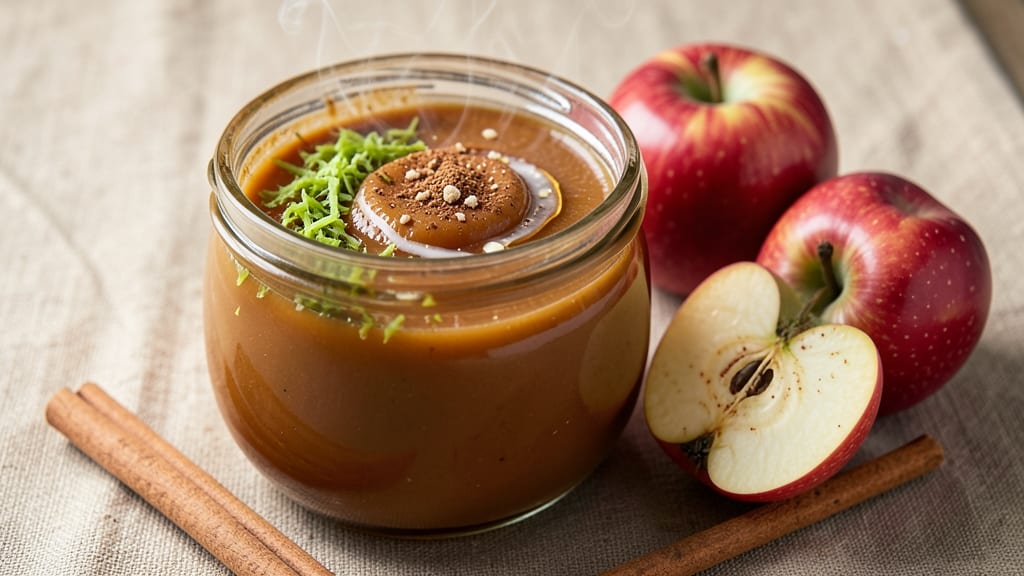
This no-sugar applesauce recipe delivers homemade, spiced perfection that stays fresh in your freezer for months—no added sweeteners or artificial ingredients.
The secret lies in balancing natural apple sweetness with warming spices like cinnamon and nutmeg while maintaining a smooth, velvety texture perfect for pancakes, oatmeal, or snacking straight from the jar.
Start with peeled, cored apples (your choice of varieties like Honeycrisp or Granny Smith) simmered with just enough water to cover them. The slow cookdown preserves natural flavors while breaking down the fruit into a consistently smooth sauce.
Optional enhancers like vanilla or ginger add depth without sugar—just a pinch transforms this into a versatile condiment for both sweet and savory dishes.
Once cooled, transfer the applesauce to sterilized, airtight containers, leaving ½-inch headspace to prevent freezer burn. This method ensures texture integrity even after months in storage—no grainy or watery results. The spices intensify during freezing, making each batch taste richer than the last.
Perfect for meal prep, gifting, or satisfying cravings without added sugar. Let’s make applesauce that’s as nutritious as it is delicious—no preservatives, no shortcuts, just pure, spiced apple goodness.
Ingredients for applesauce recipe no sugar freezer
Eight carefully chosen ingredients transform simple apples into velvety, freezer-friendly sauce without sugar.
| Ingredient | Amount | Notes |
|---|---|---|
| Peeled, Cored Apples 🍎 | 4 lb | Honeycrisp or Granny Smith preferred |
| Water 💧 | 1 ½ cups | Just enough to cover apples |
| Ground Cinnamon 🌿 | 1 tsp | Freshly ground for best flavor |
| Ground Nutmeg 🌿 | ½ tsp | Freshly grated preferred |
| Pure Vanilla Extract 🍯 | ½ tsp | Optional, for added depth |
| Fresh Ginger 🌿 | ½ tsp | Grated, optional for zing |
| Lemon Juice 🍋 | 1 tbsp | Freshly squeezed, balances sweetness |
| Sea Salt 🧂 | ¼ tsp | Diamond Crystal preferred |
The apples are the foundation—Honeycrisp or Granny Smith deliver the perfect balance of sweetness and tartness. Local farmers markets often have the freshest varieties, but any firm, unblemished apples work. For optimal texture, peel and core them uniformly—uneven pieces can lead to inconsistent cooking. The water should just cover the apples; any more dilutes the flavor. If you're using tart apples like Granny Smith, you might reduce the cinnamon slightly to avoid overpowering bitterness. Whole Foods or Trader Joe's carry pre-peeled apples if you're short on time, though fresh is always superior.
No vanilla extract? Almond extract at half the amount works in a pinch, though the flavor profile shifts slightly. Fresh ginger can be swapped for ground ginger at one-third the amount, but it lacks the bright, complex notes. The lemon juice is crucial—it prevents browning and brightens the apples' natural sweetness. If you're using particularly sweet apples, you can reduce the lemon to ½ tablespoon. For the spices, Penzeys or bulk bins at natural grocery stores offer the freshest, most potent options. If your cinnamon smells faint, toast it in a dry pan for 2 minutes to revive its aroma before grinding.
This applesauce maintains its perfect texture for up to 12 months in the freezer when stored properly. Let it cool completely before transferring to sterilized, airtight containers, leaving ½-inch headspace to prevent freezer burn. Label containers with the date—once frozen, it keeps indefinitely without compromising quality. For meal prep, portion into ice cube trays and transfer to freezer bags; thaw as needed for smoothies or oatmeal. Reheated gently on the stove, it's just as delicious as fresh-made, with the spices deepening in flavor over time.
Why You'll Love This Recipe
- No-Sweat Simplicity: I peel and core apples in one sitting, then dump them into a pot with water—no fancy gadgets, no stress. Simmer until tender, mash with a fork, and stir in cinnamon and nutmeg while it’s still warm. That’s it. No blenders, no strainers, no mess.
- Warm Spice Magic: The cinnamon and nutmeg bloom in the simmering apples, wrapping them in that cozy, old-fashioned warmth. A splash of vanilla at the end? Suddenly, it’s not just applesauce—it’s like dessert in a jar, but way more wholesome.
- Freezer-Friendly Staple: Make a big batch, freeze it in jars, and pull it out whenever you need a quick snack or side. It’s perfect for school lunches, oatmeal toppings, or even a last-minute pie filling. My kids grab it straight from the freezer—no thawing required.
- Budget Breakthrough: Apples and spices cost pennies, and this recipe stretches them far. I’ve used this to stretch grocery money, feed a crowd, or just avoid buying overpriced store-bought versions. Plus, the leftovers last forever, so nothing goes to waste.
Step-by-step instructions for spiced homemade applesauce
Transform fresh apples into fragrant, naturally sweetened applesauce that stores beautifully in the freezer.
Combine Apples and Water in a Saucepan
Place the 4 lb peeled, cored apples in a large, heavy-bottomed saucepan. Add the 1.5 cups water and stir gently to ensure all apple pieces are submerged. This prevents burning during cooking and helps extract maximum flavor. I always use a saucepan with a tight-fitting lid to trap steam and cook the apples evenly.
Cover the pan and bring to a boil over medium-high heat. Once boiling vigorously, reduce heat to medium-low and maintain a gentle simmer. You'll notice small bubbles breaking the surface consistently—this indicates proper heat control. Simmer uncovered for 20-25 minutes, stirring occasionally, until the apples begin to soften noticeably when pierced with a fork.
Add Spices and Simmer Until Tender
After the initial simmering, add the 1 tsp ground cinnamon, 0.5 tsp ground nutmeg, 0.5 tsp pure vanilla extract, 0.5 tsp fresh ginger, 1 tbsp lemon juice, and 0.25 tsp sea salt. Stir thoroughly to distribute the spices evenly throughout the mixture. The lemon juice and salt work together to brighten the natural sweetness of the apples while enhancing the warm spice notes.
Continue simmering uncovered for another 20-25 minutes, stirring every 5 minutes to prevent sticking. You're looking for apples that mash easily with a fork—this indicates they've broken down sufficiently. The sauce should thicken naturally as the apples release their pectin. If it becomes too thick before the apples are tender, add 1-2 tablespoons water to maintain proper consistency.
Process Until Smooth or Chunky
For smooth applesauce, transfer the cooked mixture to a blender or food processor. Pulse until completely smooth, scraping down the sides as needed. For chunky applesauce, simply mash the cooked apples with a potato masher or fork until you reach your desired texture. I prefer a slightly textured version that retains some apple pieces for better mouthfeel.
Return the mixture to the saucepan if using a blender and heat gently for 2-3 minutes to sterilize it before freezing. This step is crucial for proper preservation. Taste and adjust seasoning if needed—sometimes the natural sweetness of certain apple varieties requires a touch more lemon or salt.
Cool and Prepare for Freezing
Let the applesauce cool completely to room temperature before freezing. This prevents ice crystals from forming during storage. Transfer to airtight freezer-safe containers, leaving about ½-inch headspace at the top to allow for expansion. I use glass jars with tight-sealing lids for best results.
Label each container with the date and contents. For best quality, freeze for up to 6 months. When ready to use, thaw overnight in the refrigerator or heat directly from frozen in a saucepan over low heat, stirring occasionally until warmed through. The spices will intensify the flavor as it thaws, creating that comforting homemade taste.
Pro Tips For Making Applesauce Recipe No Sugar Freezer
- CHOP SMALL AND EVEN: Use a mandoline or sharp knife to slice apples into ¼-inch chunks—consistent size means even cooking. I learned this the hard way when my first batch had a mix of tiny bits and thick slices; the small pieces turned to mush while the big ones stayed tough.
- SIMMER GENTLY AFTER BOIL: Let the applesauce come to a full boil first, then drop the heat to a low simmer—just enough to keep tiny bubbles breaking the surface. After burning three batches, I finally figured out that high heat after the initial boil ruins the texture and burns the spices.
- SPICE LATE, SPICE RIGHT: Add cinnamon and nutmeg only in the last 10 minutes of cooking, or they’ll turn bitter and overpower the flavor. My grandmother swore by this, and she was right: fresh spices make all the difference, but timing is everything.
- STRAIN FOR SILKINESS: Skip the food mill if you want smooth applesauce—just press the cooked mixture through a fine-mesh sieve with a spoon. It’s messy, but it guarantees a velvety texture without graininess. (Yes, even if you’re impatient like me.)
Regional styles of this applesauce recipe no sugar freezer
Classic New England Style
In New England, applesauce often takes center stage during harvest season, especially with McIntosh or Cortland apples. The regional approach emphasizes simplicity—just apples, cinnamon, and a touch of salt.
I’ve made this version countless times at my grandmother’s farmhouse, where we’d simmer 6-8 pounds of apples with ½ cup water and 1 tsp cinnamon until ultra-tender, then mash by hand for that rustic texture. The key?
Cooking it down until it’s almost jam-like, which makes it perfect for spreading on toast or pairing with Maple-glazed pork chops. 🍂
German Spiced Version
German immigrants brought their signature Apfelmus traditions to America, and this version is all about bold, warming spices. Use Boskoop or Braeburn apples for their firm texture, then simmer with 1 tsp cinnamon, ½ tsp cloves, and ¼ tsp allspice—these spices are non-negotiable for authenticity.
Some families even add a pinch of cardamom for depth. The Germans often serve it with sausages or dark bread, proving it’s just as versatile for savory dishes as sweet. I’ve found that adding 1 tbsp apple cider vinegar at the end balances the sweetness beautifully. 🌍
Southern Comfort Style
Down South, applesauce gets a smoky twist with peach or apple-peach blends, especially in states like Georgia or North Carolina.
The classic method calls for simmering 3 lb apples with 1 lb peeled peaches until soft, then blending with 1 tsp cinnamon, ½ tsp black pepper, and a dash of cayenne. The black pepper might sound unusual, but it cuts through the sweetness and adds a subtle heat.
This version is a staple at Southern potlucks and pairs perfectly with fried chicken or cornbread. I like to add ½ cup apple juice during cooking to keep it from drying out. 🍑
Modern Minimalist Approach
For those who prefer a cleaner, more contemporary take, skip the spices entirely and focus on the apples themselves. Use Fuji or Gala apples for their natural sweetness, then simmer with just 1 tbsp lemon juice and a pinch of salt.
Once cooled, blend until silky smooth and freeze in ice cube trays for portion control. This version is ideal for smoothies, yogurt bowls, or as a natural sweetener substitute in baking. The minimalist approach lets the apple’s flavor shine without distractions. 💫
Herbed European Twist
In parts of Europe, especially France and the UK, herbs like thyme, rosemary, or tarragon elevate applesauce into a savory-sweet masterpiece. Simmer 4 lb apples with 2 sprigs fresh thyme, 1 bay leaf, and ½ tsp salt> until tender, then mash and discard the herbs.
The thyme adds an earthy note that pairs wonderfully with roasted meats or cheeses like brie. For a British touch, add 1 tsp blackcurrant jelly at the end—it’s a secret weapon for depth. This version is my go-to for holiday charcuterie boards. 🌿
Tropical Fusion Style
For a bold twist, blend apples with tropical flavors like pineapple or mango. Simmer 3 lb apples with 1 cup diced pineapple and ½ tsp ginger> until soft, then blend until smooth. Add ½ tsp vanilla and a pinch of chili powder> for a sweet-spicy balance.
This fusion style works beautifully in smoothies, glazes for grilled fish, or as a topping for coconut rice. The pineapple’s acidity brightens the apples, while the ginger adds warmth. It’s a refreshing take that’s perfect for summer. 🍍
Nutrition facts
Frequently asked questions
Can I use frozen apples instead of fresh?
Yes, but thaw them first and drain any excess liquid. Frozen apples work well, but they may yield slightly less sauce due to water content. For best results, use 4 lb fresh apples—their natural sweetness and texture create a richer final product. If you must use frozen, pat them dry thoroughly before cooking to prevent a watery sauce.
How do I adjust the spice level for kids?
Reduce the cinnamon to ½ tsp and omit nutmeg and ginger entirely. Kids often prefer milder flavors, so a touch of vanilla (¼ tsp) adds sweetness without spices. You can also blend in 1 tbsp unsweetened applesauce at the end for extra smoothness. Always taste before serving!
Will this applesauce separate when thawed?
No, if you follow the instructions carefully. The natural pectin in apples creates a stable sauce when cooked properly. However, if it does separate slightly, simply reheat it gently in a saucepan while stirring constantly. The texture will return to smooth. For extra insurance, add 1 tsp lemon juice when reheating to help bind the mixture.
Can I make this in a slow cooker?
Combine all ingredients in your slow cooker and cook on low for 6-8 hours or high for 3-4 hours, stirring occasionally. The slow cooker method actually enhances the spices' flavors. Just be sure to cool it completely before freezing, as slow cookers can't reach high enough temperatures to sterilize the sauce.
Why did my applesauce turn out too thick?
This usually happens when too much water evaporates during cooking. Next time, add 1-2 tbsp water during the final 10 minutes of cooking if needed. For a smoother texture, blend after cooking. If it's already too thick, thin it with 1-2 tbsp apple juice or water when reheating. The ideal consistency should coat the back of a spoon but still be pourable.