
Sauces & Condiments
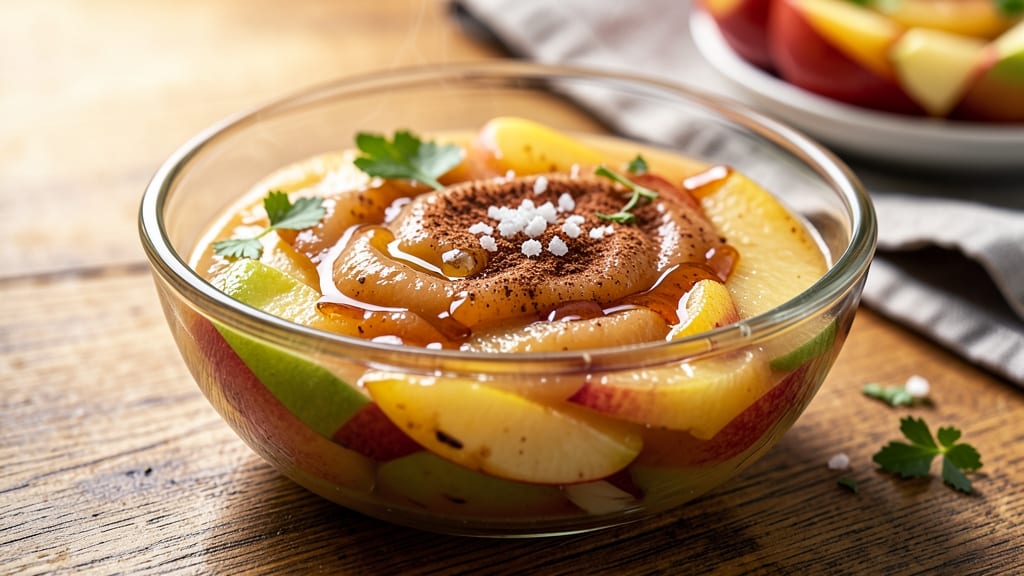
This applesauce recipe food processor transforms ordinary apples into velvety perfection in just 10 minutes—no blender required. 💛 I first discovered this method while canning apples with Mrs. Henderson, and it’s become my go-to for silky, naturally sweet applesauce without added sugars.
The food processor handles the heavy lifting, turning chopped apples into a smooth or chunky texture with minimal effort.
The beauty of this recipe lies in its simplicity: just apples, water (or none at all), and optional spices like cinnamon for warmth. No dairy, eggs, or honey needed—just pure, plant-based goodness.
The food processor’s sharp blades break down the apples into a silky consistency, while simmering on the stovetop develops deep, caramelized flavors. It’s the perfect balance of convenience and homemade quality.
What you’ll end up with is a batch of applesauce so smooth it rivals store-bought, but with none of the preservatives. The texture is velvety, the flavor is bright and naturally sweet, and the aroma fills your kitchen with autumnal comfort.
Plus, it stores beautifully in the fridge for up to a week or freezes for months—ideal for meal prep or gifting.
Whether you’re using it as a topping for oatmeal, a spread for toast, or a natural sweetener in baking, this applesauce is incredibly versatile. Here’s how to make it—no fancy equipment needed, just fresh apples and a little patience.
Ingredients for applesauce recipe food processor
Just apples, water, and spices—no fancy ingredients, just pure autumnal goodness.
| Ingredient | Amount | Notes |
|---|---|---|
| Apples (Mixed Varieties) 🍎 | 4 lb | Peeled, cored, and roughly chopped |
| Water 💧 | ½ cup | Adjust for desired thickness |
| Granulated Sugar (Optional) 🍯 | ¼ cup | Or maple syrup for vegan option |
| Ground Cinnamon 🌿 | 1 tsp | Or 1 cinnamon stick for infusion |
| Lemon Juice 🍋 | 1 tbsp | Freshly squeezed for brightness |
| Salt 🧂 | ¼ tsp | Fine sea salt preferred |
| Apple Cider Vinegar (Optional) 🍏 | 1 tsp | Enhances flavor and preserves color |
The apples are everything here. Granny Smiths and Honeycrisp work beautifully—the tartness balances the sweetness. Local farmers markets often have perfect apples in season, but the grocery store’s mixed bag works too. Peeling is optional, but it gives that silky texture the intro promises. For a food processor, aim for about 4 pounds of apples—enough to fill the bowl halfway. If you're using a blender, reduce to 2 pounds since it handles less volume. The water is your friend for adjusting thickness, but trust me, you'll want to taste as you go.
No sugar? No problem. Maple syrup or agave work perfectly, and they add a subtle depth. The cinnamon is non-negotiable for that classic applesauce warmth, but swap it for nutmeg or cardamom if you're feeling adventurous. Short on apples? Canned apple sauce (unsweetened) works in a pinch—just add water and spices. The lemon juice might seem like an afterthought, but it brightens everything up and keeps the color vibrant. Skip it if you're using tart apples like Granny Smiths, but add it if your apples are naturally sweet.
This keeps beautifully. Store in an airtight container in the fridge for up to 1 week, or freeze for 6 months. I like to portion it into ice cube trays before freezing—perfect for smoothies or baking. The texture actually improves after a day or two as the flavors meld. If you're canning for long-term storage, follow USDA guidelines for safe preservation. And if you make extra? Gift it in small jars—it’s always a hit.
Why You'll Love This Recipe
- No-Core Work: Peel and chop? Not here. The food processor handles it all—just toss in the apples, a splash of water, and a pinch of cinnamon. My hands stay clean, and the texture comes out silky smooth every time.
- Sweet-Tart Magic: That lemon juice brightens the apples in a way store-bought never does. The cinnamon? Just enough to make it taste like autumn in a jar—warm, cozy, and ridiculously addictive.
- Pantry Staple Power: I make a big batch on Sundays, and it lasts all week. Spread it on toast, mix it into oatmeal, or serve it with pork chops—it’s the ultimate flexible side that never gets old.
- Budget-Friendly Luxury: Fresh apples and cinnamon cost less than a fancy sauce, but it feels like a treat. Plus, no preservatives or weird ingredients—just real food that tastes better the next day.
Step-by-step instructions for silky food processor applesauce
Transforming fresh apples into velvety applesauce is faster than you think—here's how to do it right.
🍳 Step 1: Prep Apples for Perfect Texture
Start by peeling and coring the 4 lb apples (mixed varieties)—I like using a mix of sweet and tart apples for balanced flavor. Cut them into 1-inch chunks and place them in the food processor bowl. The larger chunks ensure better blending and prevent the motor from overheating.
Here's the thing—don't crowd the bowl. If your processor has a feed tube, use it to add apples gradually. If not, work in batches of 2-3 pounds at a time. Overfilling makes the motor work harder and can lead to uneven blending. You'll know you're on the right track when the apples fill about ¾ of the bowl's capacity.
👨🍳 Step 2: Process in Stages for Maximum Smoothness
Pulse the apples in 30-second bursts until they break down into a coarse, pea-sized texture. This staged approach prevents overheating the motor and gives you more control over the final consistency. You want to avoid turning it into a puree just yet—we're building texture.
After each pulse, scrape down the sides with a rubber spatula to ensure even processing. I always do this step between pulses because stuck-on bits can lead to uneven blending. Once you reach that pea-sized texture, you're ready for the next phase—this is where the magic happens.
🍳 Step 3: Add Liquids and Seasonings
With the processor running on low speed, slowly pour in the 0.5 cup water, 1 tbsp lemon juice, and 1 tsp apple cider vinegar (if using) through the feed tube. The lemon juice brightens the flavor and prevents browning, while the vinegar adds depth and helps preserve color. Add the 0.25 tsp salt and 1 tsp ground cinnamon through the feed tube as well.
Let the mixture process for 1-2 minutes until completely smooth. You'll know it's ready when the applesauce is silky and homogeneous with no visible chunks. The cinnamon and salt should be fully incorporated. If it's too thick, add 1-2 tablespoons more water and blend again.
⏰ Step 4: Optional Sweetening and Final Adjustments
For sweetened applesauce, add the 0.25 cup granulated sugar through the feed tube while the processor is running on low speed. This gradual addition prevents graininess. Process for another 30 seconds to fully dissolve the sugar. Taste and adjust seasoning if needed—sometimes you need a touch more cinnamon or salt to balance the flavors.
Real talk: don't skip the tasting step. The natural sweetness of apples varies, and you want the final product to suit your preference. If you're making it for kids, you might want to sweeten it more, while adults often prefer the natural tartness. The food processor makes this adjustment quick and easy.
🥘 Step 5: Cook to Perfection (Optional but Recommended)
For the best texture and flavor, transfer the applesauce to a saucepan and simmer over medium heat for 5-7 minutes. This step develops the flavor and thickens the sauce slightly. Stir occasionally to prevent sticking—if it gets too thick, add a splash of water.
You'll know it's ready when the sauce reaches 205°F internally and has a glossy sheen. This cooking process also helps kill any potential bacteria, making it safe for storage. If you're serving it immediately, you can skip this step, but I always recommend it for the best results.
Pro Tips For Making Applesauce Recipe Food Processor
- PEEL AND CORE FAST: Use a sharp paring knife instead of a peeler—it’s faster and keeps your fingers safe. Cut a tiny "X" on the bottom of each apple, then slice down to the core in one motion. I learned this the hard way after peeling 10 apples with a dull knife and nearly losing a fingertip.
- PULSE DON’T PUREE: Hit the pulse button in short bursts (3-4 seconds at a time) instead of running the food processor continuously. This prevents overheating and keeps the texture smooth but not gluey. My first batch turned into apple paste because I ignored this—now I set a timer for 10-second intervals.
- LEMON JUICE FIRST: Add lemon juice before processing the apples, not after. It brightens the flavor and prevents browning during the pulse steps. I used to toss it in at the end, and the applesauce always tasted flat—now it’s tangy and fresh every time.
- SWEETEN SPARINGLY: If using sugar, start with half the recipe calls for and taste after processing. Apples vary in natural sweetness, and cinnamon can mask the need for extra sugar. I’ve ruined batches by overdoing it—now I adjust in 1-teaspoon increments.
Best sauces and condiments for applesauce recipe food processor
Caramelized Onion Topping
Take your applesauce to the next level with a caramelized onion swirl—just sauté 1 cup thinly sliced yellow onions in 1 tbsp butter over low heat for 20-25 minutes until golden. Stir in 1 tsp brown sugar and ½ tsp balsamic vinegar at the end for depth.
Fold this into your warm applesauce before serving, or drizzle on top for a fancy touch. 🌟
Spiced Maple Glaze
For a drizzle-worthy sauce, simmer ¼ cup pure maple syrup with ½ tsp ground ginger, ¼ tsp cloves, and a pinch of salt in a small saucepan for 3 minutes.
Let it cool slightly, then drizzle over chilled applesauce. This works beautifully for topping oatmeal, pancakes, or even roasted pork. The spices complement the applesauce’s natural sweetness without overpowering it.
Cinnamon Vanilla Swirl
Infuse your applesauce with vanilla and extra cinnamon by whisking 1 tsp vanilla extract and ½ tsp cinnamon into 2 tbsp warm applesauce until smooth. Fold this back into the main batch for a fragrant twist.
This pairing is especially magical when served with homemade cinnamon rolls or vanilla ice cream. The vanilla rounds out the tartness while the cinnamon adds warmth.
Crunchy Granola Mix-In
Add texture with a homemade granola—toss ½ cup rolled oats, 2 tbsp chopped walnuts, 1 tbsp coconut flakes, and 1 tsp maple syrup in a bowl. Bake at 325°F for 10 minutes, stirring once, until golden.
Fold into chilled applesauce for a crunchy contrast. This works perfectly for breakfast bowls or dessert toppings. Store extra granola in an airtight container for up to 2 weeks.
Chai-Spiced Yogurt Dip
For a creamy, tangy dip, mix ½ cup coconut yogurt with ½ tsp chai spice blend (or ¼ tsp each cinnamon, cardamom, ginger, and cloves). Thin with a splash of water if needed, then drizzle over applesauce.
This combo is ideal for apple slices or toasted bagels. The yogurt adds protein and a velvety texture that balances the applesauce’s sweetness.
Balsamic Berry Compote
Simmer ½ cup mixed berries (fresh or frozen) with 1 tbsp balsamic vinegar and 1 tsp honey over low heat for 5 minutes until syrupy. Spoon this tart-sweet compote over applesauce for a bright, fruity contrast.
It’s perfect for dessert pairings or as a topping for cheese boards. The balsamic vinegar adds a sophisticated tang that cuts through the applesauce’s richness.
Nutrition facts
Frequently asked questions
Can I make applesauce without peeling the apples?
Peeling is optional—just leave the skins on for extra fiber and nutrients. The skins add a subtle earthy flavor and beautiful speckles in the finished applesauce. If you prefer a smoother texture, peel them, but unpeeled apples work perfectly in the food processor.
What if my applesauce turns out too thick or too thin?
For thicker applesauce, simmer it uncovered for 5-10 extra minutes to evaporate moisture. If it's too thin, return it to the pan and cook until it thickens slightly. You can also add 1-2 tablespoons of cornstarch mixed with water, stir in, and cook for 1-2 minutes until it thickens. Always taste as you go!
How do I adjust the sweetness if my apples are tart?
Start with ¼ cup sugar or maple syrup, then taste and adjust. For naturally sweet apples, you might only need 2 tablespoons. If you prefer unsweetened, balance tartness with 1 extra cinnamon stick or ½ tsp vanilla extract—both enhance sweetness naturally. The food processor makes it easy to blend in adjustments quickly.
Can I use frozen apples instead of fresh?
Yes, but thaw them first! Frozen apples release more moisture, so reduce water by ¼ cup and cook longer to thicken. Spread them on a baking sheet to thaw overnight for even processing. Frozen apples work best for chunky textures—they won’t blend as smoothly as fresh, but they’re a great backup when fresh isn’t available.
Why did my applesauce turn gray?
This happens when apples oxidize from air exposure. To prevent it, add the lemon juice early in the process—it brightens color and preserves freshness. If it’s already gray, stir in 1 extra tablespoon of lemon juice or a pinch of salt to restore vibrancy. For storage, keep applesauce submerged in water or use an airtight container.