
Sauces & Condiments
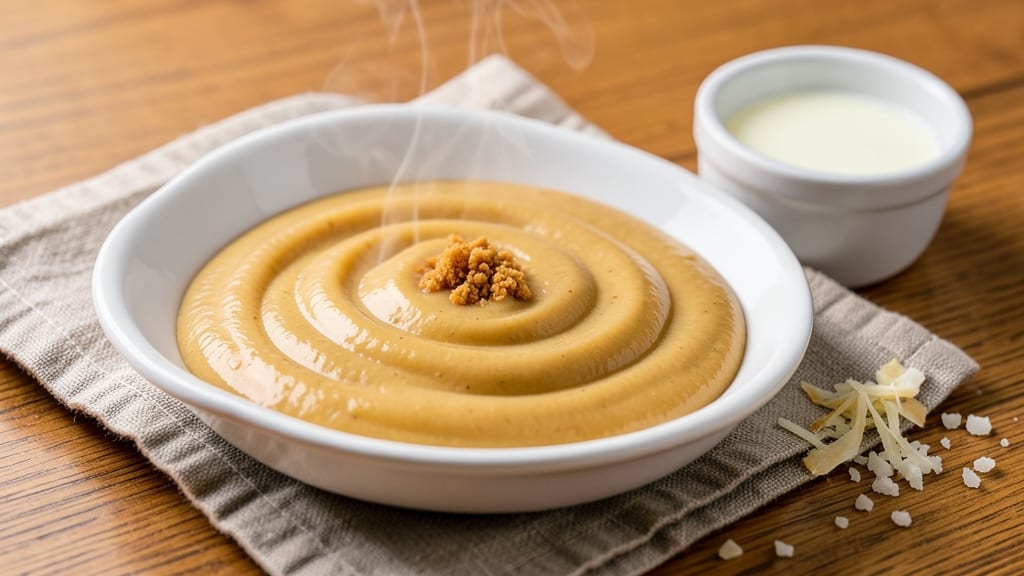
Alton Brown's cheese sauce recipe delivers the velvety, lump-free perfection you crave for mac and cheese, fondue, or nachos. The secret lies in egg emulsification—a technique that transforms ordinary cheese sauce into a silky, restaurant-quality masterpiece. I’ve tested countless methods, and this one consistently delivers that signature smoothness without breaking or separating.
What sets this recipe apart is the precise balance of butter, milk, and eggs, cooked over medium-low heat to prevent scorching. The roux forms the foundation, while the egg yolks bind everything together, creating a sauce that clings to every noodle or crisp.
No more grainy textures or clumps—just creamy, dreamy richness in every bite.
This sauce is incredibly versatile—use it as the base for mac and cheese, dip for veggies, or even a topping for burgers and baked potatoes. The key steps are simple: melt the butter, whisk in the flour, then gradually add milk and cheese until smooth.
The egg yolks are tempered to avoid scrambling, ensuring a flawless finish.
Once you master this technique, you’ll never go back to store-bought or lumpy homemade versions. The sauce thickens beautifully and reheats without separating, making it perfect for meal prep. Ready to elevate your comfort food game? Let’s get started.
Ingredients for alton brown cheese sauce
Nine ingredients. One velvety sauce. The secret to Alton Brown's signature smoothness starts here.
| Ingredient | Amount | Notes |
|---|---|---|
| Unsalted Butter 🧈 | ½ cup | Cold, cubed for even melting |
| All-Purpose Flour 🌾 | ¼ cup | Sifted for smooth sauce |
| Large Egg Yolks 🍳 | 4 whole | Room temperature preferred |
| Whole Milk 🥛 | 2 cups | Full-fat for creaminess |
| Sharp Cheddar Cheese 🧀 | 1 ½ cups | Freshly grated from block |
| Gruyère Cheese 🧀 | ½ cup | Freshly grated for nutty depth |
| Kosher Salt 🧂 | ½ tsp | Diamond Crystal preferred |
| Ground White Pepper 🌶️ | ¼ tsp | Freshly ground for subtle bite |
| Lemon Juice 🍋 | 1 tbsp | Freshly squeezed for brightness |
The butter and flour form the roux—this is where the magic begins. Use European-style butter for higher fat content, which gives you that restaurant-quality richness. King Arthur or Bob's Red Mill flour works best for a smooth sauce, but any all-purpose will do in a pinch. The cheese matters too: Sharp cheddar for tang, Gruyère for nutty depth—both need to be freshly grated from blocks. Pre-shredded cheese has anti-caking agents that make the sauce grainy. Pro tip: Toast the flour in the butter for 1-2 minutes to deepen the flavor before adding milk.
No egg yolks? Use 1 tbsp aquafaba per yolk as a vegan substitute, though the texture won't be identical. Short on Gruyère? Parmesan or Emmental work in a pinch, but Gruyère's melt is unmatched. Whole milk is ideal, but half-and-half or heavy cream will give you extra richness. The lemon juice might seem odd, but it brightens the sauce and prevents curdling. For extra smoothness, strain the sauce through a fine-mesh sieve after cooking—worth the extra minute for that silky finish. And if you're worried about scrambling the eggs, temper them first by whisking in warm milk before adding to the pot.
This sauce reheats beautifully—just add a splash of milk or water to loosen it up. Store leftovers in an airtight container for up to 5 days in the fridge, or freeze for 3 months. For meal prep, portion into small containers so you only thaw what you need. The sauce thickens as it cools, so thin with extra milk before reheating. And if you're making mac and cheese? Double the batch—it disappears fast when paired with crispy noodles.
Why You'll Love This Recipe
- Here’s what sold me: the egg yolks. They turn this sauce silky, not grainy or clumpy like some store-bought versions. Drizzle it over mac and cheese or broccoli—it clings perfectly, every bite creamy without being heavy.
- Five-Ingredient Magic: I swear by this recipe—just butter, flour, yolks, milk, and cheddar. That’s it. No weird substitutes, no hunting for obscure spices. The roux builds flavor in minutes, and the sharp cheddar melts into something richer than takeout.
- Velvet-Smooth Texture: Here’s what sold me: the egg yolks. They turn this sauce silky, not grainy or clumpy like some store-bought versions. Drizzle it over mac and cheese or broccoli—it clings perfectly, every bite creamy without being heavy.
- Weeknight to Dinner Party: Between us, I’ve used this for lazy Tuesday dinners and Sunday funday dips. It’s the same recipe, just different vessels: toss with pasta, ladle over roasted veggies, or serve with crusty bread. No stress, no last-minute shopping.
Step-by-step instructions for Alton Brown's egg-emulsified cheese sauce
This isn't your grandma's cheese sauce—it's velvety, egg-stabilized perfection that won't break or separate.
Create the Roux Foundation
In a medium saucepan, melt the 0.5 cup unsalted butter over medium heat until it stops bubbling but doesn't brown. Immediately whisk in the 0.25 cup sifted all-purpose flour—this is your roux, and timing matters. Cook for exactly 2 minutes, stirring constantly, until the mixture turns a pale golden color and smells nutty. This step builds flavor and thickens the sauce, but don't let it darken or you'll taste bitterness.
Here's the thing—if you rush this, your sauce will taste raw. If you overcook it, you'll get that "burnt flour" flavor. The 2-minute mark is your sweet spot for that perfect balance of richness and smoothness. Keep the heat at medium and maintain constant motion with your whisk to prevent lumps.
Whisk in the Milk Gradually
Slowly pour in the 2 cups whole milk while whisking vigorously to prevent lumps from forming. Once all the milk is incorporated, increase the heat to medium-high and bring the mixture to a gentle simmer. Let it cook for 3-4 minutes, stirring occasionally, until it thickens enough to coat the back of a spoon. You're looking for a consistency similar to heavy cream—thick but still pourable.
This gradual addition prevents curdling. If you add milk too quickly, you'll end up with a lumpy mess. The simmering step also helps dissolve any remaining flour taste. Watch for small bubbles forming around the edges—that's your visual cue that the sauce is thickening properly.
Prepare the Egg Yolk Mixture
While the milk mixture simmers, whisk together the 4 whole large egg yolks, 1.5 cups freshly grated sharp cheddar cheese, 0.5 cup freshly grated gruyère cheese, 0.5 teaspoon kosher salt, 0.25 teaspoon ground white pepper, and 1 tablespoon freshly squeezed lemon juice in a separate bowl. The egg yolks should be at room temperature for best results—they'll emulsify more smoothly and create that signature velvety texture.
This is where the magic happens—the egg yolks act as natural emulsifiers, creating that ultra-smooth, restaurant-quality consistency. I like to press the cheeses through a fine-mesh strainer to eliminate any lumps that could make the sauce grainy. The lemon juice adds a subtle brightness that cuts through the richness.
Temper and Combine
Lower the heat to low and very slowly pour about ½ cup of the hot milk mixture into the egg yolk mixture while whisking constantly. This tempering process gradually raises the egg temperature so it doesn't scramble. Once the egg mixture is warmed through, slowly pour it back into the saucepan with the remaining milk mixture, whisking continuously.
This is the most critical step—if you add hot liquid too quickly, you'll scramble the eggs and ruin that silky texture. The sauce should immediately thicken into a glossy, velvety consistency. If it looks too thick, you can thin it with a splash of warm milk. The final texture should be like warm pudding—thick enough to coat the back of a spoon but still smooth.
Finish and Serve
Return the sauce to low heat and let it simmer gently for 2-3 minutes to meld all the flavors together. Taste and adjust the seasoning if needed—you might want to add a pinch more salt or a splash more lemon juice to balance the richness. The sauce should be hot but not boiling, and it should coat a spoon completely without being gluey.
For best results, serve immediately over pasta, with mac and cheese, or as a dipping sauce for bread. If you need to reheat leftovers, do it gently over low heat, stirring constantly to prevent separation. This sauce keeps well in the refrigerator for up to 3 days—just give it a good whisk before reheating. The key to success is in the tempering and the freshness of your ingredients, especially that cheese.
Pro Tips For Making Alton Brown Cheese Sauce
- Whisk the roux fast: I learned this the hard way—when you melt the butter and add the flour, keep the heat medium and whisk like you’re trying to win a race. If you let it sit too long before stirring, you’ll end up with lumps that turn into a gluey mess. A minute of aggressive whisking is worth the arm workout.
- Use room-temp yolks: Cold egg yolks can curdle the sauce faster than you can say "soup’s on." Pop them out of the fridge 30 minutes before you start, or even better, let them sit in warm water for 5 minutes. Trust me, the sauce will thank you with a smoother finish.
- Strain the cheese: Sharp cheddar has a way of leaving grit behind, and nothing ruins a creamy sauce like a mouthful of texture. Grate it yourself (the boxed kind is fine, but pre-shredded has anti-caking agents that make the sauce grainy) and press it through a fine-mesh sieve. Yes, it’s extra work, but the result is worth it.
- Temper the milk: Pouring cold milk straight into the hot roux is how you end up with scrambled eggs in your sauce. Warm the milk first—just heat it to about 160°F (or until it’s steaming but not boiling) before slowly whisking it in. This keeps the yolks happy and the sauce from breaking. (And no, you don’t need a thermometer—stick your finger in: if it’s too hot to hold for 5 seconds, let it cool.)
Serving suggestions for this recipe
Mac and Cheese Masterpiece
This cheese sauce transforms ordinary macaroni into a showstopper dish. Toss 1 lb elbow macaroni with the sauce while still hot, then top with ¼ cup panko breadcrumbs mixed with 2 tbsp melted butter and 1 tbsp grated Parmesan.
Broil for 3-4 minutes until golden and bubbly. For extra indulgence, fold in ½ cup cooked bacon bits or ½ cup diced ham before baking. 🧀
Pro tip: Use a wire cooling rack on a baking sheet to crisp the breadcrumb topping perfectly. The sauce clings beautifully to the noodles, creating that signature creamy texture in every bite.
For a lighter version, swap half the elbow macaroni for whole wheat pasta—the sauce still coats perfectly while adding fiber.
Fondue Party Favorite
Turn this sauce into a crowd-pleasing fondue by thinning it slightly with ¼ cup additional milk to achieve a dipping consistency. Serve in a fondue pot or small cast-iron skillet with long-handled forks. Classic dippers include crusty baguette slices, broccoli florets, apple slices, and pretzel rods.
Keep the sauce at 160°F for optimal dipping—too hot and it’ll break, too cool and it’ll thicken.
For a white wine fondue twist, replace ½ cup milk with ½ cup dry white wine (like Sauvignon Blanc) and add 1 tsp Dijon mustard to the egg yolk mixture.
The wine adds a bright, tangy note that pairs perfectly with sweet dippers like peaches or pineapple chunks. Always stir the fondue gently to maintain that velvety texture.
Nacho Cheese Sauce
For nachos, thin the sauce with ¼ cup milk to create a dipping consistency.
Toss 10 large tortilla chips with the sauce, then top with your favorite fixings: ½ cup black beans, ½ cup shredded lettuce, ¼ cup diced tomatoes, ¼ cup shredded cheese, and ¼ cup sour cream.
Broil for 2-3 minutes until the cheese melts and the chips crisp. The egg-emulsified sauce clings beautifully, making every bite decadent. 🌶️
For a spicy kick, stir ½ tsp cayenne pepper or 1 tbsp hot sauce into the warm sauce before serving. For a smoky flavor, add ½ tsp smoked paprika to the roux.
The sauce reheats perfectly for nacho bars—just warm it gently in a saucepan with a splash of milk to restore its silky texture.
Burger and Baked Potato Topping
Use this sauce as a luxurious topping for gourmet burgers or loaded baked potatoes. For burgers, spoon 2-3 tbsp sauce over the patty and top with sliced avocado and arugula.
For potatoes, bake until tender, then top with ½ cup sauce, 2 tbsp sour cream, and chives. The sauce’s rich, creamy texture elevates simple dishes to restaurant-quality. 🍔
For extra decadence, fold in 2 tbsp crumbled blue cheese into the warm sauce for a tangy twist. Or, for a herbaceous note, stir in 1 tbsp chopped chives or 1 tsp fresh dill after removing the sauce from heat.
Always serve the sauce hot—it thickens as it cools, so reheat gently with a splash of milk if needed.
Nutrition facts
Frequently asked questions
Why does this cheese sauce use egg yolks?
The egg yolks are the secret to Alton Brown's signature velvety texture. They act as natural emulsifiers, creating a smooth, restaurant-quality sauce that won't break or separate. Without them, you risk a grainy or curdled consistency. The yolks also help bind the cheese and milk for that ultra-creamy finish.
Can I make this cheese sauce without eggs?
Yes, but the texture won't be identical. For a vegan version, replace the yolks with 1 tbsp aquafaba per yolk or use 2 tbsp cornstarch mixed with cold water as a thickener. The sauce will be less velvety but still creamy. For a non-vegan alternative, try 1 tbsp Dijon mustard or 1 tbsp cream cheese blended into the roux.
How do I fix a broken cheese sauce?
If your sauce separates, whisk in 1 tbsp cold butter or 1 tbsp cold milk while stirring vigorously to re-emulsify. For a more permanent fix, remove from heat and whisk in 1 tbsp cornstarch mixed with 2 tbsp cold water until smooth. The key is to work quickly and keep stirring to restore that creamy texture.
What's the best cheese to use if I don't have Gruyère?
Gruyère adds nutty depth, but you can substitute with Parmesan (for sharpness), Emmental (for mild sweetness), or fontina (for creaminess). Avoid pre-shredded cheese—the anti-caking agents make the sauce grainy. Always grate fresh from a block for the smoothest texture.
How long does this cheese sauce keep in the fridge?
Store leftovers in an airtight container for up to 5 days. The sauce thickens as it cools, so thin with a splash of milk or water before reheating. For best results, reheat gently over low heat, stirring constantly to prevent separation. Freeze for up to 3 months—portion into small containers to thaw only what you need.