
Sauces & Condiments
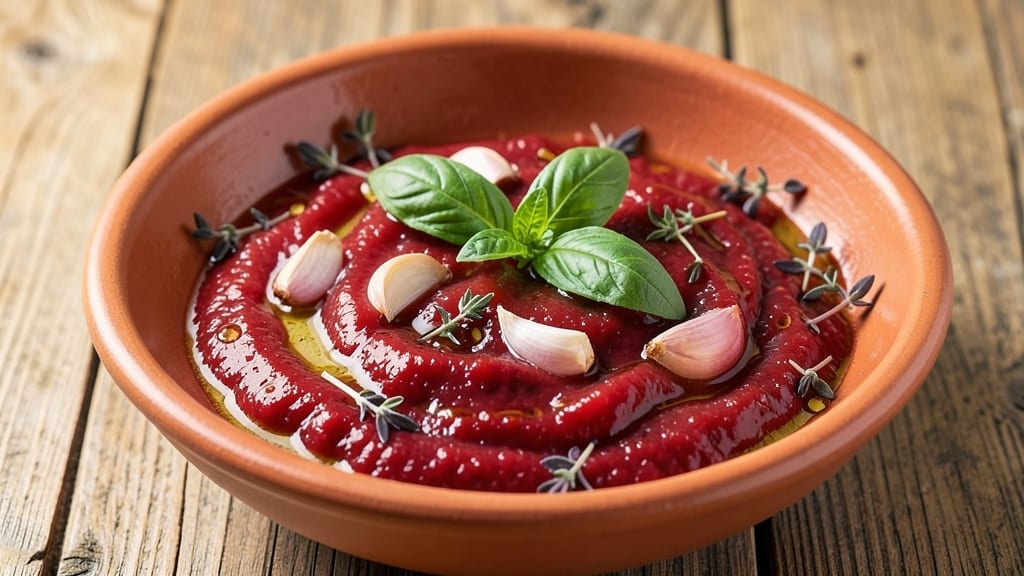
Alberto's red sauce transforms simple crushed tomatoes into a velvety, deeply flavorful sauce with a secret vinegar zing that keeps it bright and balanced. 💛 The key lies in slow simmering—letting the tomatoes break down while building layers of garlic, herbs, and a touch of acidity that prevents heaviness.
This isn't your typical canned sauce; it's a restaurant-quality base that elevates pasta, pizza, or braised meats with professional depth.
The technique starts with sautéing aromatics until fragrant, then adding crushed tomatoes and simmering uncovered for at least 45 minutes. This slow reduction concentrates the flavors while developing a smooth, almost creamy texture.
A splash of vinegar at the end cuts through the richness, creating that signature zing that makes this sauce unforgettable. The result? A sauce that's rich yet light, complex yet approachable—perfect for home cooks who want restaurant-quality results without the fuss.
What sets this sauce apart is its versatility. Use it as a quick marinade, a pizza topping, or a pasta sauce that clings perfectly to noodles. The ingredients are simple—tomatoes, garlic, olive oil, and herbs—but the method transforms them into something extraordinary.
Once you taste the difference between this homemade version and store-bought, you'll never go back.
Store it in the refrigerator for up to a week or freeze for months, making it ideal for meal prep. The flavors only deepen over time, so you'll find yourself reaching for this sauce again and again. Ready to elevate your cooking? Let's make it.
Ingredients for alberto's red sauce
Simple ingredients, slow cooking, and a vinegar secret transform crushed tomatoes into velvety restaurant-quality sauce.
| Ingredient | Amount | Notes |
|---|---|---|
| Extra-Virgin Olive Oil 🫒 | ½ cup | High-quality, fruity variety preferred |
| Garlic Cloves 🧄 | 6 cloves | Freshly minced for maximum aroma |
| Crushed Tomatoes 🍅 | 28 oz | San Marzano preferred for sweetness |
| Red Wine Vinegar 🍷 | 2 tbsp | Balances richness with bright acidity |
| Fresh Basil Leaves 🌿 | ½ cup | Packed, stems removed for garnish |
| Fresh Oregano Leaves 🍃 | ¼ cup | Or substitute dried oregano (1 tsp) |
| Dried Thyme 🌿 | 1 tsp | Or 1 tbsp fresh thyme leaves |
| Salt 🧂 | 1 ½ tsp | Diamond Crystal preferred for purity |
| Black Pepper 🌶️ | ½ tsp | Freshly cracked for best flavor |
| Granulated Sugar 🍚 | 1 tsp | Balances acidity, optional but recommended |
The tomatoes are the foundation, so San Marzano is worth seeking out—their natural sweetness and low acidity make all the difference. Trader Joe's and Whole Foods carry them year-round, or check the Italian section at Costco for bulk cans. Fresh basil and oregano should be bright green with no wilting, and thyme should smell intensely herbal. The olive oil matters too—use something fruity and peppery, like California Extra Virgin or Colavita. If you're short on time, dried oregano works at one-third the amount, but fresh herbs give that signature bright aroma.
No San Marzano tomatoes? High-quality crushed tomatoes from any reputable brand will work—just add an extra pinch of sugar to balance any tartness. Substituting red wine vinegar? Balsamic vinegar at half the amount gives a similar depth, though the flavor profile shifts slightly. Fresh herbs wilt fast, so store them in damp paper towels in the fridge until ready to use. The sugar is optional but recommended—it rounds out the acidity from the vinegar and tomatoes. If you're making this ahead, add the vinegar and basil at the end to preserve their freshness.
This sauce only gets better with time—reheat gently on the stove or microwave until warmed through. Store in the fridge for up to 1 week in an airtight container, or freeze for 3 months in ice cube trays for single servings. The flavors meld beautifully over time, so don't be afraid to make a big batch. For meal prep, portion into containers with a splash of olive oil on top to preserve freshness. The vinegar zing fades slightly when reheated, so add a fresh splash before serving if needed.
Why You'll Love This Recipe
- No-Chop Required: I swear by this sauce because the garlic just needs a quick smash—no mincing, no mess. The crushed tomatoes do all the work, and the vinegar brightens it up in seconds while you’re still pulling dinner together.
- Bright & Balanced: That splash of red wine vinegar cuts through the richness of the olive oil, so it’s never heavy. The basil finishes it with a fresh punch—like a bright red ribbon on a perfect gift.
- Weeknight & Weekend: Drizzle it over pasta for a Tuesday, toss it with grilled chicken for a Saturday, or use it as a marinade for Sunday roasts. It’s my one sauce that does double duty without a second thought.
- Budget-Friendly Staple: Crushed tomatoes and garlic cloves are pantry basics, and a little vinegar goes a long way. I’ve made gallons of this for $5—enough to feed the family for days, with leftovers that taste just as good reheated.
Step-by-step instructions for alberto's red sauce
Here's how to build that velvety tomato cream with a secret vinegar zing that makes it unforgettable.
🍳 Step 1: Sauté Garlic in Olive Oil Until Golden
Heat the 0.5 cup Extra-Virgin Olive Oil in a heavy-bottomed saucepan over medium-low heat. Add the 6 cloves Garlic Cloves (minced fresh) and cook for 3-4 minutes until they're golden brown and fragrant—not crispy or burned. This gentle cooking extracts maximum flavor without bitterness.
I press the garlic into the oil with a wooden spoon to help it release its oils evenly. If you hear sizzling, your heat is too high—lower it immediately. This step is the aromatic foundation of the sauce, so don't rush it. The garlic should smell like a warm Italian kitchen by the time you're done.
🍳 Step 2: Add Tomatoes and Vinegar for Depth
Pour in the 28 oz Crushed Tomatoes and the 2 tbsp Red Wine Vinegar. Stir well to combine, scraping up any browned bits from the bottom of the pan. These bits are packed with flavor—don't miss them. Bring the mixture to a gentle simmer over medium heat.
Here's where the magic happens: the vinegar brightens the tomatoes while balancing their natural acidity. Let it simmer uncovered for 15-20 minutes until the sauce thickens slightly and the raw tomato taste mellows. You'll see the sauce reduce and develop a glossy sheen—this is your signal that the base is ready for the herbs.
👨🍳 Step 3: Build Flavor with Herbs and Seasonings
Add the 1 tsp Dried Thyme, 1.5 tsp Salt, and 0.5 tsp Black Pepper to the simmering sauce. Stir well to distribute the seasonings evenly. Then, add the 1 tsp Granulated Sugar—this isn't about sweetness, but about rounding out the acidity and creating a more complex flavor profile.
Let the sauce simmer for another 5 minutes to allow the spices to bloom. Now for the fresh herbs: add the 0.5 cup Fresh Basil Leaves and 0.25 cup Fresh Oregano Leaves. Stir gently—you don't want to tear the leaves, just infuse the sauce with their bright flavors. Remove from heat immediately after adding the herbs to preserve their vibrant color and fresh aroma.
⏰ Step 4: Blend to Velvety Perfection
Let the sauce cool for 5 minutes—this prevents splattering when you blend. Transfer about half the sauce to a blender or use an immersion blender directly in the pot. Blend until completely smooth, about 30-45 seconds. The sauce should be silky with no visible texture.
Return the blended sauce to the pot and stir well. Taste and adjust seasoning if needed—this is your chance to fine-tune the balance. The sauce should be rich but not overpowering, with a bright vinegar zing that lingers. For the best texture, let it sit at room temperature for 10 minutes before serving—this allows the flavors to meld completely.
Pro Tips For Making Alberto'S Red Sauce
- Sweat the Garlic: I learned this the hard way—don’t just toss garlic into olive oil and hope for the best. Slice those cloves thin, then cook them over low heat until they’re golden and fragrant, not crispy. High heat burns them into bitter oblivion, and you’ll taste it in every bite.
- Strain the Tomatoes: Crushed tomatoes have seeds and skins that turn your sauce watery. After simmering, pour the sauce through a fine-mesh strainer (or cheesecloth) to remove the pulp. It takes 2 minutes but keeps the sauce smooth and concentrated—no sad, thin sauce here.
- Add Vinegar Last: Red wine vinegar brightens the sauce, but if you add it too early, it’ll cook off and lose its punch. Stir it in just before serving, or at least in the last 5 minutes of simmering. This keeps that sharp, tangy kick alive—no sad, mellowed-out flavor.
- Toast the Basil: Fresh basil wilts fast, but if you tear the leaves and quickly blanch them in boiling water for 10 seconds, then shock in ice water, they’ll hold their color and flavor longer. Toss them in at the very end—no soggy, bitter leaves ruining your sauce.
Wine and beer pairings for this dish
Italian Red Wines
For this bright, vinegar-kissed sauce, I reach for medium-bodied Italian reds that won't overpower its herbal notes. A Chianti Classico from Tuscany—like Castello di Volpaia—pairs beautifully, with its cherry and earthy undertones complementing the basil and oregano.
The acidity in Chianti mirrors the sauce's vinegar zing, creating perfect harmony. 🍷
Light-Bodied Whites
Surprisingly, crisp whites work too—especially Vermentino from Sardinia or Pinot Grigio from Alto Adige. Their citrus and mineral notes cut through the sauce's richness while enhancing the tomato's natural sweetness. For a more aromatic option, try a Gavi di Gavi—its almond and pear flavors add a lovely contrast.
Beer Pairings
A crisp Italian lager like Peroni or Moretti cleanses the palate between bites, letting the sauce's flavors shine. For craft beer lovers, a Belgian Witbier (like Hoegaarden) adds a refreshing citrus note that echoes the red wine vinegar. Avoid heavy stouts—they'll muddle the sauce's bright herbal profile.
Unexpected Sparkling
Prosecco or Franciacorta's effervescence and apple notes create an exciting contrast with the sauce's richness. The bubbles help reset your palate between bites, making each spoonful taste fresh. I love pairing this with a Valdobbiadene Prosecco—its floral aromas complement the basil beautifully.
Wine Service Tips
Serve red wines slightly below room temperature (55-60°F) to preserve their fruitiness. For whites, chill to 45-50°F to enhance their crispness. If using beer, serve it ice-cold (38-40°F) to highlight its clean finish.
Always decant red wines for 15-30 minutes before serving to let them breathe and open up.
Nutrition facts
Frequently asked questions
Why does this sauce need red wine vinegar?
The vinegar is the secret to balancing the sauce's richness while keeping it bright and vibrant. It cuts through the natural acidity of tomatoes and prevents the sauce from tasting flat or heavy. A splash at the end adds that signature zing that makes this sauce stand out from typical marinara recipes.
Can I make this sauce without blending?
Yes! Skip the blending step for a rustic texture, but expect a slightly chunkier sauce. Simmer the tomatoes longer (45-60 minutes) to break them down naturally. The sauce will still be flavorful, just with more texture—great for pasta or pizza toppings that appreciate visible tomato pieces.
How do I prevent the sauce from getting too acidic?
Start by using high-quality, low-acid tomatoes like San Marzano. The sugar in the recipe balances the vinegar, and simmering uncovered reduces excess acidity. Taste as you go—if it's too sharp, add a pinch of sugar or a splash of heavy cream to mellow the flavors.
What's the best way to store leftovers?
Let the sauce cool completely, then store it in an airtight container in the fridge for up to 1 week. For longer storage, freeze in ice cube trays or small portions—thaw overnight in the fridge. The flavors actually improve over time, so make a big batch and enjoy it all week!
Can I add meat to this sauce?
Brown 1/2 lb ground pork or Italian sausage separately before adding to the sauce, or cook diced pancetta in the olive oil with the garlic. For chicken, poach shredded pieces in the simmering sauce for 15-20 minutes until fully cooked. Just add meat after the initial tomato-vinegar simmer to avoid overcooking.